In-depth · Characters · Spoilers through the end of Golden Age
This analysis focuses on Berserk’s Golden Age, using scenes from The Golden Age Arc – Memorial Edition (2022).
Griffith’s betrayal hurts because the Band of the Hawk had genuine reasons to trust him. They fought together, shared victories and risked their lives to rescue their fallen leader. Griffith understood those bonds, yet at the Eclipse he placed his dream above their right to live. Understanding that choice means looking at how he cared for his companions, led them and tried to keep them beside him.
Griffith’s appeal rests on what he actually achieves
Griffith’s delicate appearance and composure make him stand out, but his command is what persuades people to put their lives in his hands. Under his leadership, a mercenary band enters Midland’s army and becomes celebrated after the victory at Doldrey. For soldiers whose livelihood depends on surviving the next battle, this represents a tangible change in status and prospects.
His ambition to possess a kingdom therefore becomes more than an impressive claim. The band’s success makes that distant goal imaginable. Those following Griffith can see a place for themselves in a shared future, which helps explain why their loyalty survives so much hardship.
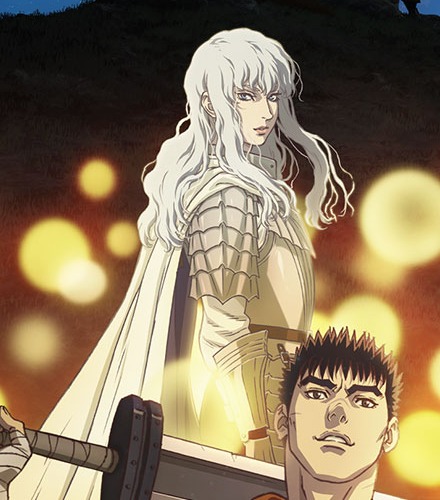
Knowing the ending should not erase every sign of affection he shows along the way. When Guts is in danger during the encounter with Zodd, Griffith rushes to save him. That intervention makes the claim that he never cared about anyone too simple. The harder question is how far his care extends, and what happens when another person’s wishes no longer serve the path he has chosen.
Griffith wants an equal but cannot accept Guts leaving
Speaking to Charlotte, Griffith describes a true friend as someone with an independent reason to live, a goal of their own and the ability to stand beside him as an equal. Guts overhears the conversation and reconsiders his place. Years spent fighting for Griffith have not given him the independence required by Griffith’s own definition of friendship.
Guts’s departure follows from that desire. He is not declaring himself an enemy or trying to destroy the band. He wants to find his own direction so that he might eventually return as an equal. When he actually acts on that wish, however, Griffith tries to stop him with his sword.
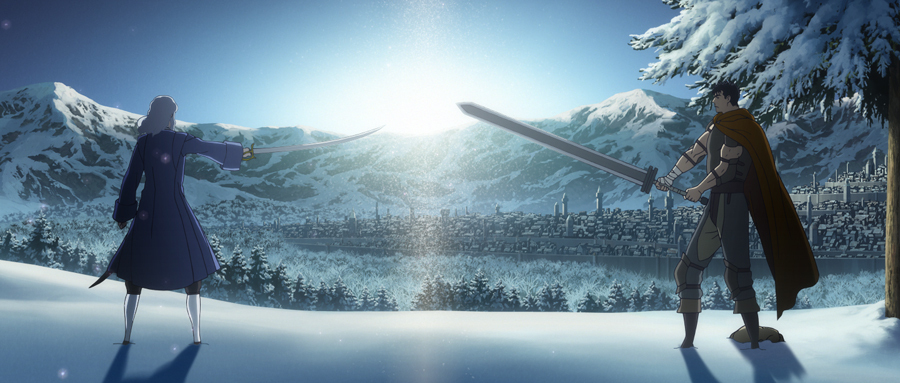
Their duel tests Griffith’s account of friendship, and he fails that test. He admires independence as an idea but cannot accept Guts making an independent choice. Perhaps losing Guts is what finally reveals the depth of his attachment. Even so, the strength of that attachment does not give him the right to decide that Guts must stay.
The leader who can no longer return to his former life
After losing the duel and failing to stop Guts, Griffith goes to Charlotte. Their encounter leads to his arrest, and prolonged torture destroys his body and his ability to command an army. By the time his companions rescue him, they still want him back, but the future he pursued has become almost impossible to reach.
The care Guts and Casca offer now causes him pain. He once guided, protected and decided the future of others. Now he needs their support. One reading of his reaction is that he fears a relationship in which he no longer occupies the centre. He has lost more than his chance at a kingdom. He has also lost the role through which he understood his own worth.
The Eclipse makes loyalty the price of ambition
The God Hand approach Griffith at his most desperate and place the dream of a kingdom within reach again. Their persuasion connects that future to those who have already died along the way, making a decision to stop appear like a betrayal of earlier sacrifices. He is encouraged to believe that he must continue regardless of the cost.
That reasoning is dangerous. The dead do not grant Griffith ownership of the lives still beside him. The Band of the Hawk have just rescued him from imprisonment. Even without the promise of further victories, they consider him someone worth protecting.
Griffith ultimately agrees to sacrifice those people and is reborn as Femto. The decision exposes a cruel limit to his relationship with his companions. Their loyalty was once met with victories, protection and a future to work towards. When he can no longer offer those things, he chooses to pursue that future through the deaths of the people who trusted him.
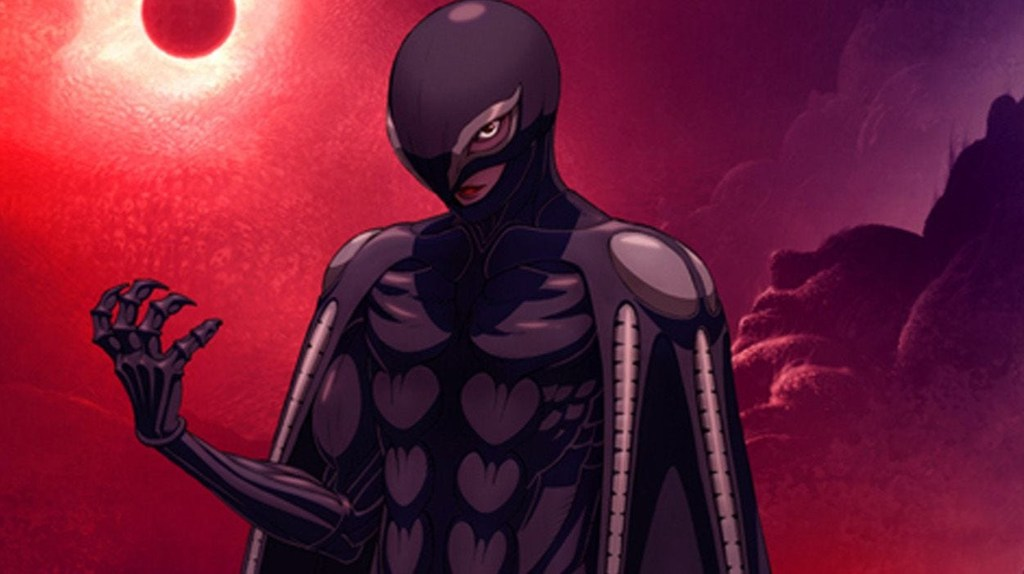
The band willingly fought for Griffith’s dream, but they never agreed to become his sacrificial offering. On the battlefield they faced danger alongside him. At the Eclipse, the person they trusted removes their ability to choose in exchange for his own rebirth.
Casca’s betrayal must be understood through her own life
Focusing entirely on Griffith and Guts can obscure what Casca does to keep the band alive. During Griffith’s imprisonment, she leads the companions being hunted in his absence. When a rescue becomes possible, she helps bring him out and cares for him afterwards.
Those actions reveal her own responsibilities and attachment to the band. Femto’s sexual violence against her during the Eclipse is an assault on Casca herself. Guts is also forced to witness it, but her suffering cannot be reduced to a device for explaining the hatred between two men. An analysis of Griffith must reckon with the lives he destroys as well as the losses he believes he has suffered.
Another view: How much does desperation explain Griffith’s choice?
A fair reading acknowledges the horror of Griffith’s situation. His body has been destroyed, his future has collapsed and the God Hand deliberately exploit the dream he cannot relinquish. Treating his choice as an ordinary calculation made in calm circumstances would strip away much of the tragedy the story has established.
Yet his earlier affection for his companions is precisely what gives the sacrifice its weight. If they had never mattered, the exchange would not be so painful. Griffith is both a wounded person and someone who agrees that his rescuers should pay for his future. The story allows both truths to remain visible without requiring his circumstances to excuse his decision.
Conclusion: What Griffith’s dream ultimately costs
The contradiction is therefore not simply that Griffith dreams too big. It lies in how he treats others when the old route to that dream disappears. He saves Guts from danger but refuses to accept Guts choosing a life of his own. He leads the band to glory and then uses their lives to continue his ascent.
Golden Age makes that betrayal unforgettable because the people being sacrificed still want to save Griffith after he has lost his splendour. They are willing to stay with a leader who can no longer win. Griffith cannot accept a future without his kingdom, and the final cost falls on those who refused to abandon him.
Sources: Berserk Official Portal, Memorial Edition 8, Memorial Edition 11, Memorial Edition 12, Memorial Edition 13.
Images: Berserk / BERSERK FILM PARTNERS. Cover: official Memorial Edition artwork.