In-depth · Characters · Spoilers for the entire film.
In Grave of the Fireflies, Seita makes a difficult choice when he takes Setsuko away from their aunt’s house. At fourteen, he believes he can give his sister a better life, but the shelter they move into gives them little more than a roof.
Why does Seita want to leave?
After the bombing of Kobe in 1945, Seita loses his mother and takes care of his four-year-old sister, Setsuko. He keeps their mother’s death from her in the hope of sparing her some pain. At their aunt’s house, Seita still has an adult to turn to, even as he starts making decisions his parents could once have helped him with.
The scene in which their mother’s kimonos are traded for rice shows why living together grows uncomfortable. To their aunt, the clothes can buy something everyone in the house needs. To Setsuko, they belong to her mother. She protests because the adults are taking away something she still wants to keep. Their aunt looks at the clothes and thinks about the next meal. Setsuko thinks about who wore them.
Meals increasingly make Seita feel like an outsider. Their aunt expects the people at her table to contribute and criticizes him for failing to do his share. Seita can hear those remarks as a sign that he and his sister are no longer welcome. It is easy to see the appeal of finding a place of their own. If he could provide their meals himself, he would no longer have to hear that they were living at someone else’s expense.
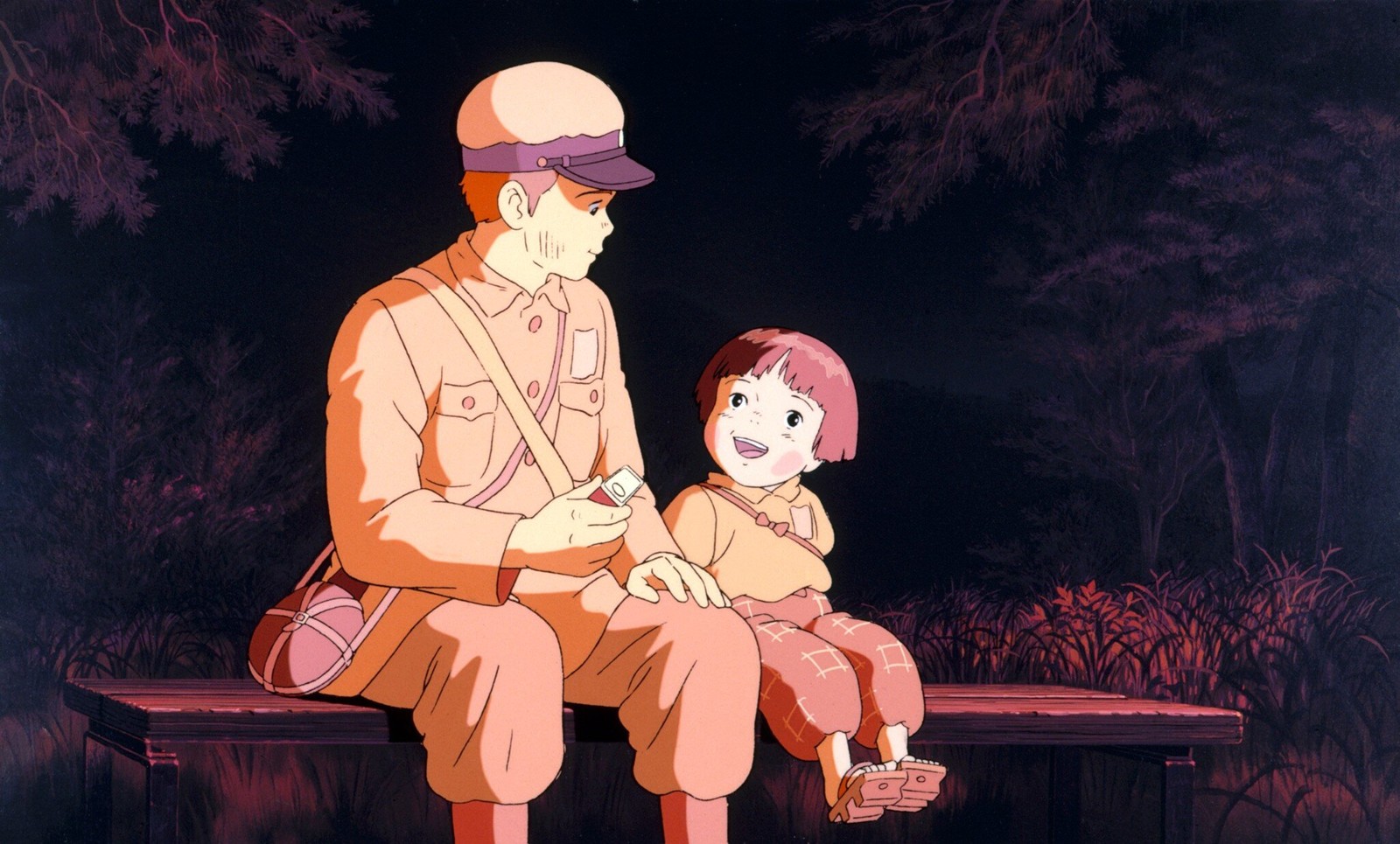
The shelter feels like home for a little while
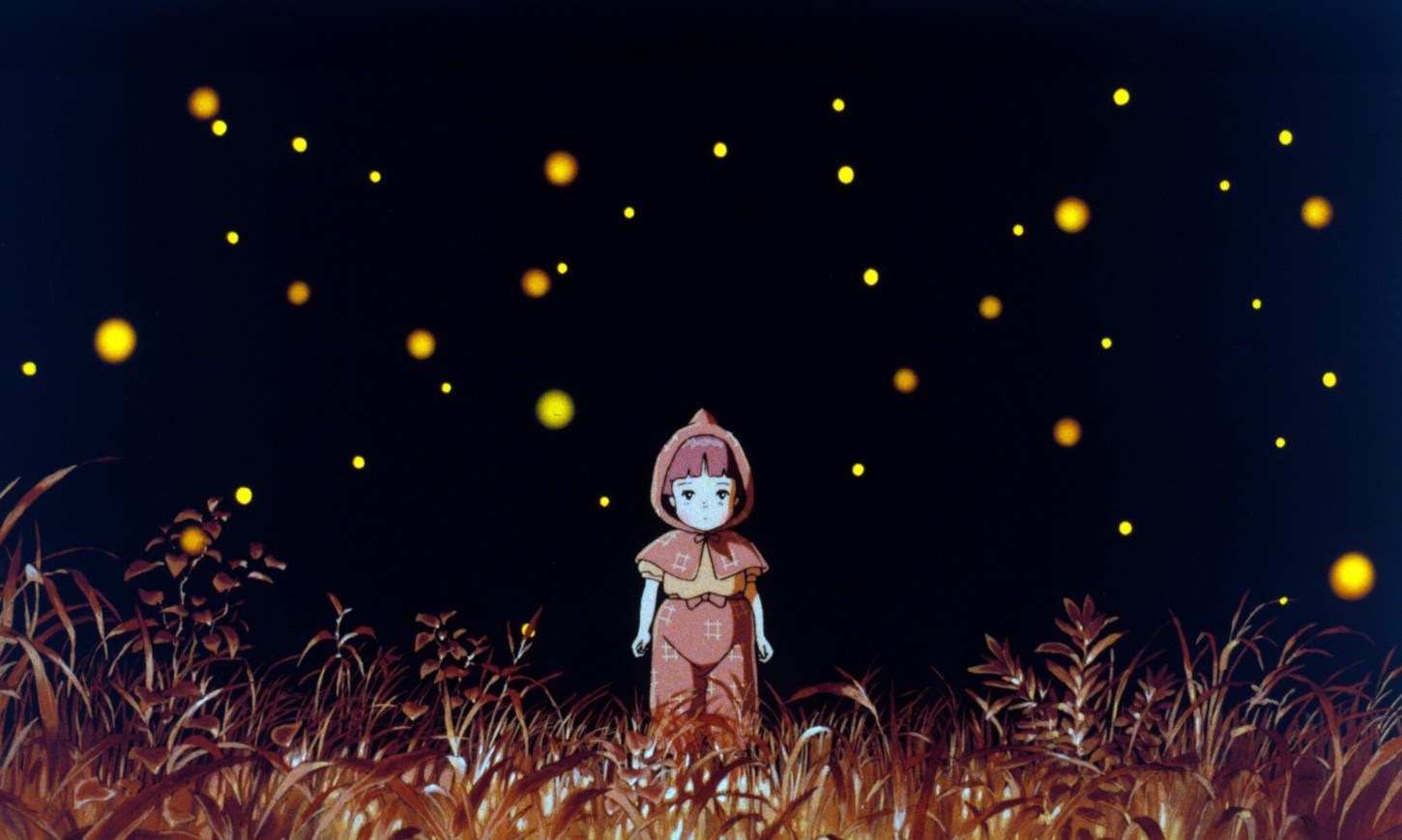
When Seita takes Setsuko to the abandoned bomb shelter, he can set up their home and look after her his own way. The film gives them time to enjoy being there. One night, fireflies light up the shelter. For a moment, Setsuko has somewhere to play with her brother, and Seita gets to do something ordinary. He gets to make his little sister happy.
The following morning, Setsuko buries the dead fireflies. The scene brings their mother back into the conversation just when Seita thinks he has managed to keep that grief from his sister. Setsuko knows their mother is dead. The moment shows what Seita’s care can accomplish. He can give her a good evening and try to shield her from bad news, but she is still living through losses he cannot prevent.
Having a place of their own ends the immediate conflict with their aunt. Finding food now falls to Seita every day. He might manage one meal, only to have to look again the next morning. Setsuko is too young to find food or go back to ask an adult for help. The choice that gives Seita some independence makes her more dependent on him.
Where can Seita find the food the doctor says Setsuko needs?
As Setsuko grows weaker, Seita takes her to a doctor. He sees that she needs help and seeks out an adult who can tell him what is wrong. The doctor says that Setsuko needs nourishment. For Seita, that is the hardest part. He has managed to get his sister to a doctor, but he still has to find something to bring back to the shelter himself.
Seen beside the exchange of the kimonos for rice, this visit shows how much the meaning of a meal has changed. At their aunt’s house, people can still argue about who gets what and who should help out. By the time Setsuko is severely weakened, Seita would settle for finding enough food for her. He looks for food and later withdraws his mother’s money to buy some. By the time he brings it back, he is too late.
Seita has overestimated how long he can provide for both of them. Getting through a few meals may give him reason to think he can keep going. For Setsuko, every day without enough food leaves her weaker. Seita can try something different tomorrow. His sister’s health cannot wait.
The other side: Would Setsuko have survived at their aunt’s house?
Staying would have meant putting up with their aunt’s criticism and accepting the way her household worked. That is a real cost for a child who has just lost his mother and feels responsible for protecting his sister. Yet there is still an adult in the house, a place to sleep and a household the two children can rely on. Seita gives those things up before he has a lasting way to replace them.
The film leaves open what would have happened if they had stayed. Food would still have been scarce, and their aunt was already under pressure to feed her household. Seita can be held responsible for leaving before he has worked out how they will live. To blame him for Setsuko’s death outright would overlook why they needed their aunt in the first place. The war has taken their home and the mother they both still need.
Conclusion: Seita needed help too
What makes Seita’s choice so painful is that he has reasons to leave, while Setsuko is too young to know what she will lose by following him. She can only trust that her brother will take care of her. By the time Seita learns that loving her cannot put food on the table, Setsuko is the first to pay for his decision. He has been trying to save his sister while still being a child in need of help himself.
Sources: Studio Ghibli, GKIDS and Disney Japan.