Battle Through the Heavens does not make its strongest impression at the start. Its early visuals are limited, and the story of a fallen prodigy is not distinctive enough to carry everything on its own. Following Xiao Yan further, however, changed OtaHub’s view. Later parts become considerably more engaging, especially when the improving animation turns cultivation into spectacular battles.
The appeal also carries a frustration. Xiao Yan has a long road back to prominence, while viewers must wait through multiple installments for important goals to be resolved. OtaHub enjoys the rewards of those climaxes but sometimes wishes the series would reach them sooner. For cultivation and martial-arts fans, this is a journey worth following, even when its storytelling is less assured than its strongest visuals.
A promised confrontation gives cultivation a purpose
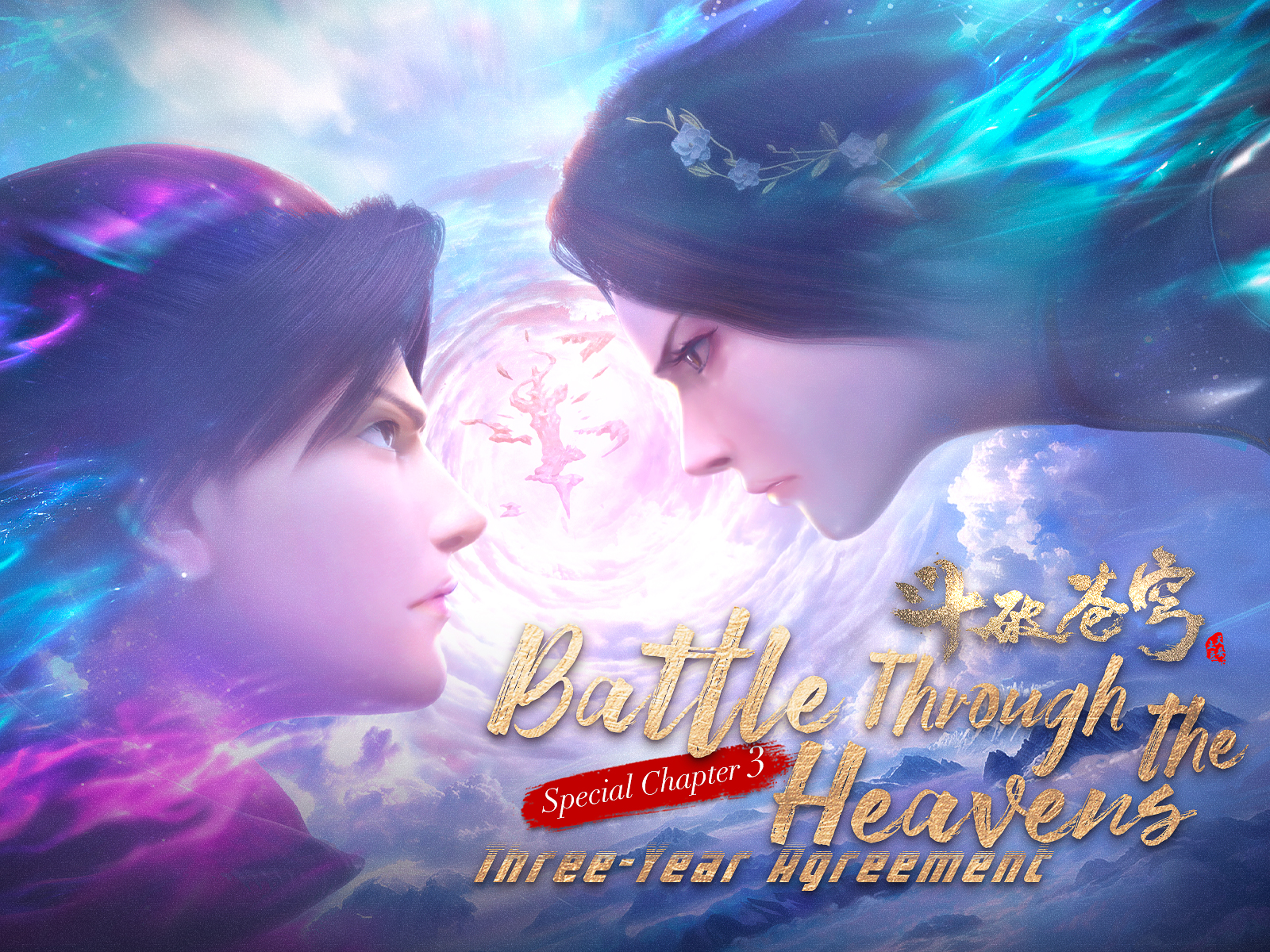
Xiao Yan was once considered a prodigy before losing his strength and facing contempt. Nalan Yanran’s decision to break their engagement gives that humiliation a concrete destination through their three-year agreement. He must become stronger before facing her again, so advancement carries a desire to prove himself rather than simply acquire another rank.
It is familiar but effective. Knowing what Xiao Yan is working towards gives viewers a reason to care about his preparations. His experiences in the Magic Beast Mountain Range and the Tagore Desert, his alchemy and the ordeal of absorbing Heavenly Flames contribute to that goal. The special flames connect cultivation to tangible challenges rather than leaving it as a chart of power levels.
For OtaHub, the early weakness is presentation rather than a lack of understandable motivation. Later, the combination of progress and confrontation becomes much more compelling. The series still follows a recognizable cultivation formula, but reaching a climax that has been prepared in advance can make Xiao Yan’s achievements satisfying to watch.
The people around Xiao Yan give his progress weight
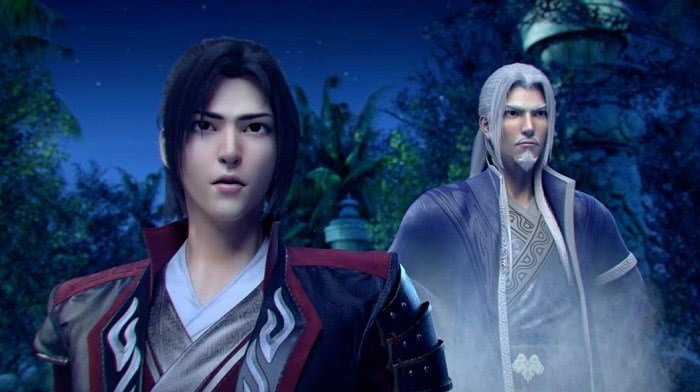
A hero who only searches for stronger opponents would soon become repetitive. Yao Chen gives Xiao Yan’s development another dimension. There is a teacher to learn from, while alchemy offers an expression of ability beyond the strength of his attacks.
That relationship matters when considering the cast’s appeal. It ties learning and growth to the longer journey. Nalan Yanran serves a different role through the promised confrontation, giving viewers an encounter to anticipate. These relationships make advancement mean more than moving on to the next opponent.
OtaHub also finds the voice acting solid and comfortable to follow. Nevertheless, the cast’s central attraction remains its place in Xiao Yan’s journey. Familiar character patterns do not disappear entirely. The interest comes more from seeing those relationships develop than expecting every character to offer a dramatic surprise.
The animation’s improvement pays off in combat
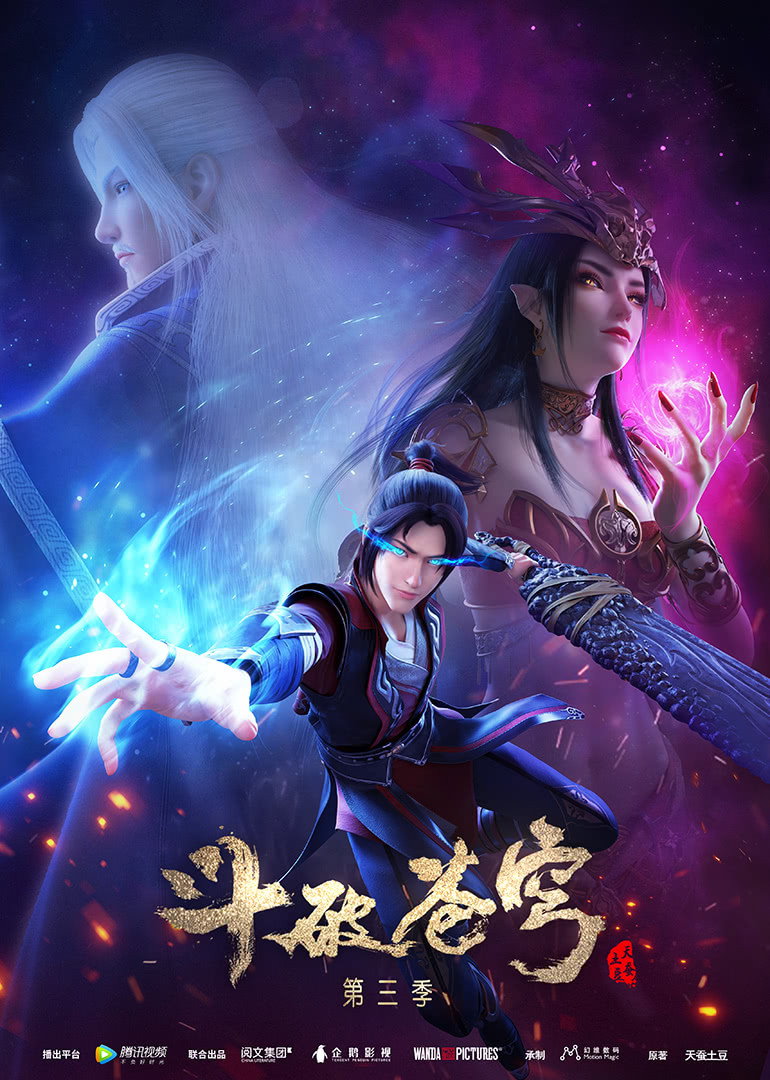
The visuals are the biggest reason OtaHub’s opinion improved over time. Early installments are less convincing, but later parts make substantial progress. Judging the animation entirely from the first season would overlook some of the series’ strongest material.
That matters in a story built around cultivation and fighting. As Xiao Yan grows stronger, his confrontations need to feel worthy of that advancement. Heavenly Flames, alchemy and battles give the 3D animation opportunities to convey power and scale. In later installments, the spectacle of combat provides a strong reason to continue even when the story moves more slowly than OtaHub would like.
As a personal assessment, this is among the most visually impressive 3D donghua OtaHub has watched. That praise applies to its improvement and later quality rather than claiming every season looks equally good. New viewers still need to understand the difference between the starting point and the work the series eventually delivers.
Enjoyable music and dependable voices support the journey
The music is a positive part of the experience. OtaHub enjoys it and finds the voice work and sound generally solid. In a series that spends considerable time on confrontations, the audio contributes to its appeal rather than simply supplying a list of singers for an information box.
Even so, the later visuals and battles remain the clearest strengths. Music and voices help complete the experience without removing the frustration of drawn-out storytelling. An effective climax still needs a build-up that makes the time spent waiting for it feel worthwhile.
A three-year promise takes years of releases to reach
Pacing is OtaHub’s main frustration. Important battles can be exciting, but the road towards them sometimes takes too long. Preparation is necessary to make cultivation convincing, yet it does not always offer enough development to match the time viewers invest.
The three-year agreement illustrates that wait. The first season appeared in 2017, while the special devoted to the agreement was released in 2021. The promise in the fiction therefore spans release milestones roughly four years apart. That does not make everything in between unnecessary, but it helps explain the impatience a goal established so early can create.
OtaHub wants the series to preserve the work that makes Xiao Yan’s improvement believable while being more concise between major confrontations. Lengthy preparation can make success rewarding, but duration alone cannot guarantee that effect. Once viewers understand his destination, the journey needs meaningful developments rather than simply extending the wait.
Worth following if you enjoy cultivation and have time for it
Despite that irritation, OtaHub recommends the animation to viewers who enjoy martial arts, cultivation worlds and watching a protagonist grow stronger. Later installments deliver excitement the opening does not. The series deserves the chance to move beyond that uneven first impression.
Expectations still matter. This takes a substantial investment of time, and the visual quality is not consistent from the beginning. Viewers drawn to the climaxes may prefer revisiting favorite battles to restarting the entire journey. It remains compelling enough to follow, but tighter storytelling would make that investment feel more consistently rewarding.
Verdict
Battle Through the Heavens earns a recommendation through an increasingly engaging journey and substantial visual improvement. Later battles give OtaHub a strong reason to stay. Its drawn-out pacing remains the reservation, because satisfying climaxes can coexist with a build-up that takes longer than necessary. For cultivation fans willing to commit to a lengthy series, there is plenty worth following.
Battles worth following the journey for
Later animation and the appeal of cultivation are major strengths. Drawn-out pacing keeps the overall experience from matching its best climaxes.
OtaHub recommendation: Worth watching.
This review covers the donghua installments watched by the writer, including Three-Year Agreement and subsequent parts. The series is continuing, so this is not an assessment of the entire story’s ending. The live-action adaptation is excluded from the score. Spoilers cover the premise and the three-year promise without revealing the duel’s outcome.
Production and synopsis references: WeTV: Fights Break Sphere S1, WeTV: Fights Break Sphere S3, WeTV: Three-Year Agreement.
Images: Tencent Video / Yuewen / Motion Magic. Promotional artwork via Prime Video and Plex; teacher and student still via Sina.