Star Wars Meets the XCOM Tactics Formula
Star Wars: Zero Company is developed by Bit Reactor, a studio with many members who previously worked on tactics games.
The game’s structure is clearly influenced by XCOM. Players control a group of characters on a turn-based battlefield, making use of terrain, each member’s unique abilities and support skills to overcome enemy forces.
Each character fills a different role. Choosing your squad and combining skills is therefore a key factor in every mission.
However, instead of putting players in a war against aliens like XCOM, Zero Company brings this formula into the Star Wars setting, where blasters, Jedi, droids and the galaxy’s factions all appear on the battlefield.

A Squad of Outsiders
The core squad of Zero Company feels more like a group of mercenaries than a regular military force.
The characters come from different backgrounds and don’t always share the same goals. These differences create plenty of funny situations as well as surprising moments between squad members.
The setup recalls Rogue One, in which a group of characters who don’t quite belong together have to cooperate to complete a bigger mission.
What’s interesting is that the relationships between members aren’t shown only through dialogue. What happens in battle can also help build the bonds between them.
A character who saves a teammate at just the right moment or supports another member in a dangerous situation can help the relationship between the two grow.
Surprising Moments Emerge From the Gameplay Systems
One of Zero Company’s highlights is how the game creates stories that aren’t entirely scripted.
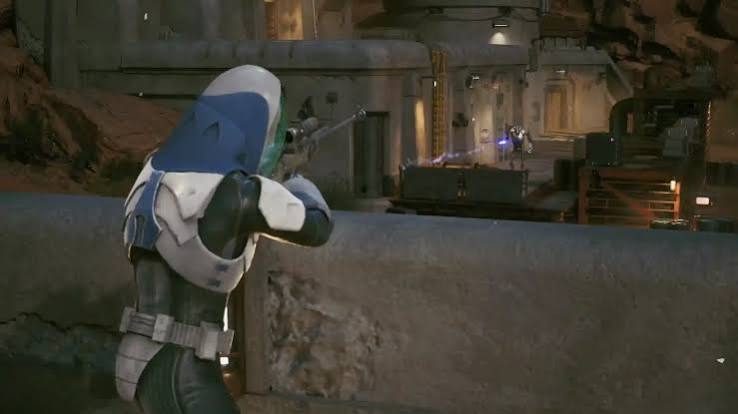
In a battle, players might see a squad member rush to help a teammate, a Jedi land a finishing blow on an enemy, or a character who seemed to be in danger get rescued at the last second.
Moments like these don’t need to be designed as separate cutscenes. They arise naturally from how players control their squad.
This is emergent storytelling — storytelling that arises from the game’s own systems.
As a result, every player can come away with different memories of the same mission.
Permadeath Doesn’t Create Much Pressure Yet
Zero Company was built around the idea of loss and the deaths of squad members.
The permadeath mechanic could have made every battlefield decision more important. Losing a key character would bring changes to the squad and the story.
However, according to The Guardian’s review, the game doesn’t fully exploit this element.
Even on higher difficulty settings, characters are relatively hard to lose permanently. That reduces the tension that could otherwise create surprising stories.
Instead of constantly worrying that a squad member might die, players have more opportunities to build and develop their team.
Every Battle Is Full of Movement
Battles in Zero Company are built with plenty of effects and movement.
Droids constantly shift between positions, characters look for cover, Jedi use special abilities while other units use the terrain to attack.
This movement keeps the battlefield from feeling static even though players take turns acting.
Sound effects also play an important role. Blaster fire, droid noises and other signature Star Wars sounds combine with Gordy Haab’s score to create a familiar feeling for fans of the franchise.
The Den Is Where the Squad Rests and Upgrades
Between missions, players return to the Den, which serves as the squad’s operations hub.
Here, players can upgrade the base, manage resources, choose upgrades and learn more about each member’s past.
This system has a lot in common with the base in XCOM, while also taking an approach similar to Mass Effect’s character hub areas.
Players can also take on personal missions to learn more about each member of the squad.
This helps characters who might otherwise feel like mere combat units become an important part of the experience.
The Main Story Doesn’t Leave the Same Impression
If the character systems and gameplay are Zero Company’s bright spots, the main story doesn’t reach the same level.
The game revolves around the Infinite Coil, a mysterious faction whose goals and motives aren’t really developed clearly enough.
According to The Guardian’s review, this is the weaker part of the game. The central threat sometimes feels like it was added mainly to provide an enemy faction that can bring supernatural elements into battle.
As a result, the main story isn’t as compelling as the small stories that unfold between squad members.
Late-Game Battles Start to Repeat
Another issue that appears in the later stages of the game is enemy design.
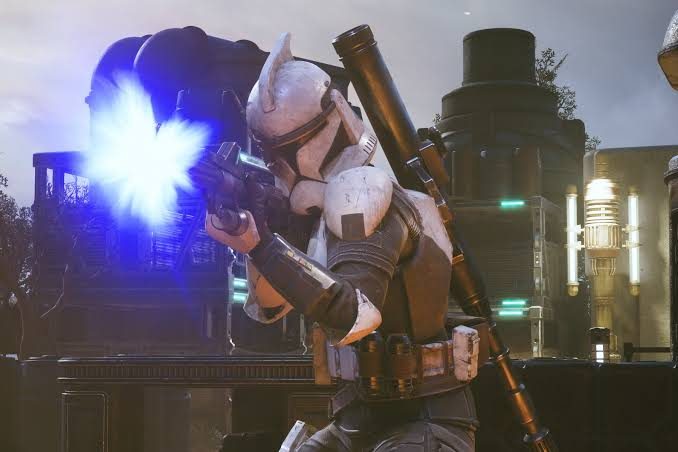
Some enemy units can heal or negate damage. These mechanics lengthen battles but sometimes make encounters drag on.
As the player’s squad grows stronger and unlocks more skills, the AI doesn’t always keep pace with that progression.
The result is that some late-game battles can feel longer than necessary.
Its Strength Lies in the People Behind the Squad
Despite its shortcomings, Star Wars: Zero Company still stands out thanks to how it builds its cast of characters.
The game doesn’t just tell a big story about war between factions. It also focuses on the small relationships between members of a squad who always have to rely on each other to survive.
Moments when a character saves a teammate, a member grudgingly acknowledges someone else’s skills, or the whole squad works together to escape a dangerous situation can create a sense of attachment that cutscenes alone rarely achieve.
This is also where XCOM’s tactics formula blends well with the world of Star Wars.
A New Direction for Star Wars Tactics Games
Star Wars: Zero Company shows that the Star Wars universe still has plenty of room to explore beyond familiar action or adventure games.
Combining the franchise with turn-based tactics creates an experience focused more on building a squad, managing resources and making decisions on the battlefield.
Although the main story doesn’t really stand out and some late-game battles show signs of repetition, the character systems and the situations that emerge from gameplay help the game forge its own identity.
For Bit Reactor, it’s also a notable debut, bringing a familiar tactics formula into one of the most famous science fiction universes.
Star Wars: Zero Company is out now on PlayStation 5, Xbox Series X/S and PC, priced at £39.99 according to The Guardian.
Source: Compiled from multiple reports.