In-depth · Story & Themes · Spoilers for all 10 episodes
The frustration with Cyberpunk: Edgerunners 2 is the distance between understanding what its characters want and caring about their choices.
D pursues revenge, Capri presents a threat that extends beyond one body, and Roman and Talia have ambitions of their own in Night City. Those are compelling ingredients. As the story moves rapidly to its next turning point, however, the emotional development does not always keep up.
The standalone ten-episode series from CD PROJEKT RED and TRIGGER does not need to repeat David’s journey. Its new cast needs choices that make their changes understandable. The farewell between Roman and Talia shows how effectively the series can do that, but the rest of the story does not consistently reach the same level.
Intersecting stories need more than shared events
Night City is a convincing setting for bringing very different people into the same crisis. Technology can offer one person an opportunity while making another into a tool. Personal ambitions can also collide with much larger interests. Having several narrative strands is therefore not an inherent weakness.
The difficulty is connecting events while also establishing relationships between the people caught up in them. Two characters meeting or surviving danger together provides a starting point, but it does not automatically give every later decision emotional weight. We also need to understand what they discover in each other and what changing their minds costs them.
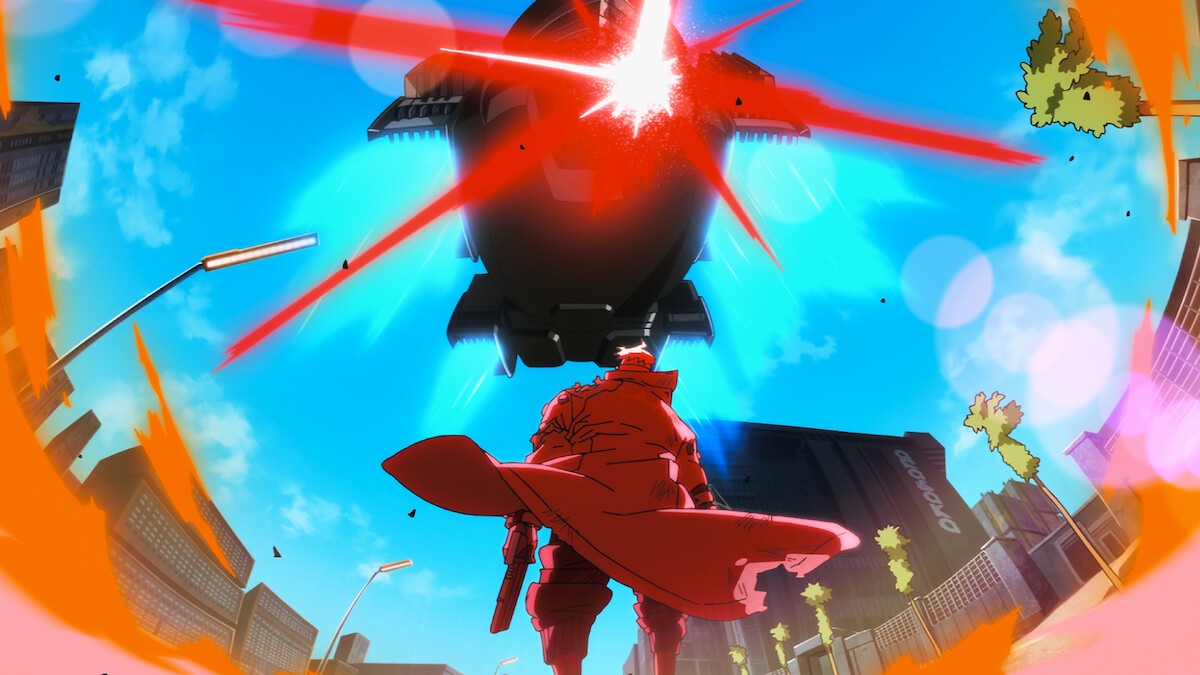
Blaming every shortcoming on the ten-episode length would be too easy. A short story can build a memorable relationship by knowing when to pause. What disappoints here is that some strands establish intriguing possibilities, then reach a turning point before the emotional connection between those stages feels substantial enough.
D’s clear motivation is only a starting point
D is a Snake Nation netrunner hunting the killer who destroyed his clan. That immediately explains why he cannot simply walk away. A clear reason for revenge establishes an initial objective, however, rather than providing a complete character arc.
The more interesting question is how that pursuit changes him when other people and Capri’s power enter his life. What will he preserve, what will he sacrifice, and can a new relationship alter his original purpose? Those tensions could make him more than the person leading the story towards its next secret.
His changes of thought and direction do not consistently carry the weight his circumstances suggest. Trauma and obsession provide material, but the sense of knowing him is not always strong enough for each turn to resonate. That is also why measuring him against David is unhelpful. D needs a convincing journey of his own, rather than a particular degree of resemblance to his predecessor.
Capri’s power makes clarity more important
Capri represents a threat that is harder to avoid than an opponent with superior firepower. Taking over bodies, manipulating devices and causing large-scale killings makes the boundary between people and technology unsettling. Access to military forces further increases the danger.
Yet additional power does not automatically make a character more persuasive. The more Capri can influence, the more important it becomes to understand what limits those abilities and why anyone else can still make meaningful choices. When tension primarily comes from discovering another thing the character can do, attention shifts from the conflict towards the expanding power itself.
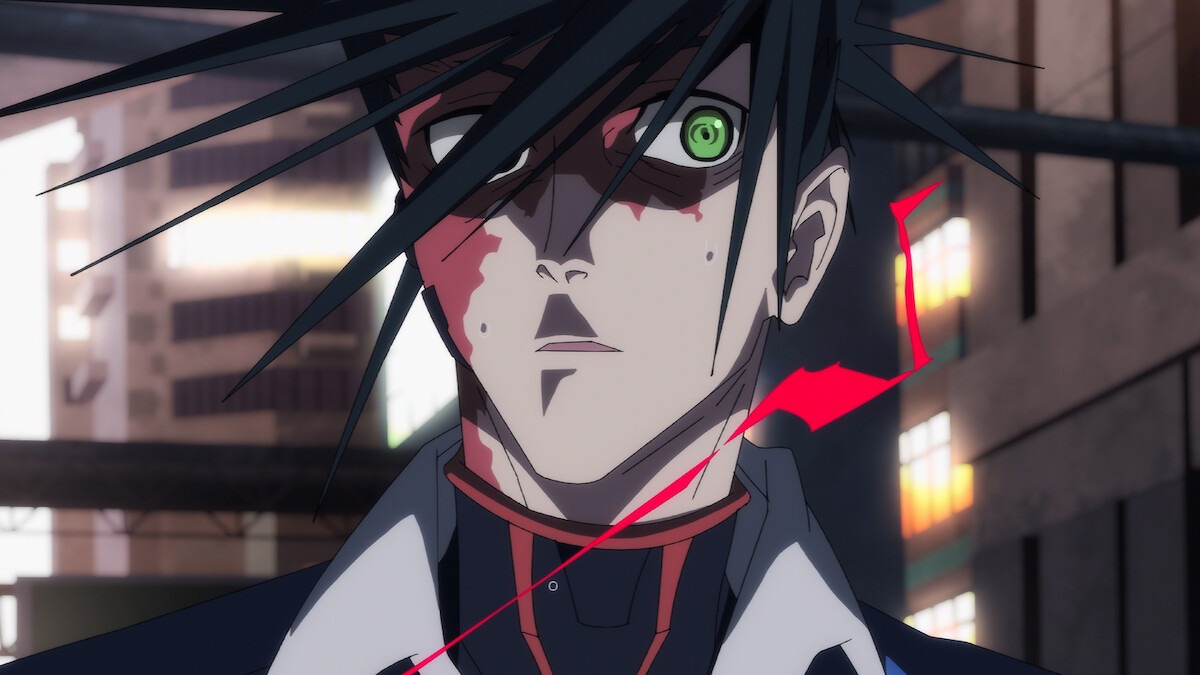
Capri’s ambition to reach space introduces a related issue. The destination matters less than why that desire becomes strong enough to drive such extreme actions. The series does not make that motivation as understandable or emotionally accessible as the scale of the threat demands.
This does not require a lengthy speech explaining everything. Mystery belongs in Night City too. But withholding a character’s secrets differs from leaving the audience to supply the reasons that would make their decisions meaningful. Capri’s storyline is less frustrating for its missing technical details than for that emotional gap.
Roman and Talia make a promise matter
The final episode shows that another major twist is not necessary to create feeling. Talia is preparing to leave Night City with Weak for a rehabilitation facility. Roman meets her before she goes and promises to visit and keep filming for her. She encourages him to pursue filmmaking and looks forward to seeing him again.
Both characters have something concrete ahead of them. Talia needs to recover, while Roman has stories he wants to record. Their promise does not erase what happened, but it allows life to continue beyond those events. The warmth comes from a small, believable possibility: someone wants to see you on another day.
Filming also gives Roman a clearer role. He is not merely witnessing other people’s experiences and turning them into stories. Wanting to keep filming for Talia shows that the person matters to him, while her encouragement returns that attention. Their relationship becomes an exchange between two people rather than simply a connection established by the plot.
A moving farewell cannot retrospectively supply every missing stage of development, however. Roman and Talia still leave the impression that there was more worth exploring. The effectiveness of this ending makes the other strands’ lack of comparable emotional pauses more noticeable.
Another view: the fast pace has its appeal
A relentless rhythm suits a city where events can destroy anyone’s plans. Relationships do not always require exhaustive explanation, and not every abrupt change is a mistake. Viewers drawn to action and technological ideas may enjoy precisely this constant collision.
The striking imagery and Cyberpunk atmosphere remain attractions. They cannot, however, replace character development. An event can be visually forceful without making the decision behind it convincing. The disappointment comes from that difference, rather than a shortage of things happening.
Wanting the series to slow down occasionally does not mean wanting it to abandon action. It means giving time to the relationships on which its biggest moments depend. The final farewell offers a useful example, with a specific promise carrying more weight than another increase in the scale of the conflict.
Conclusion
Cyberpunk: Edgerunners 2 remains interesting for its world, imagery and characters with ambitions worth following. Uneven connections between its strands sometimes leave that interest at curiosity rather than attachment. D and Capri particularly need firmer development for their major choices to feel proportionately convincing.
Roman and Talia provide the lasting impression. Their promise to meet after leaving Night City does not guarantee a better future, but it gives the audience something tangible to hope for. More room for moments like that could have turned the second series’ promising ideas into a more satisfying emotional experience.
Sources: official series and character information · Netflix introduction and promotional images · CD PROJEKT RED release announcement.