Finishing Death Stranding 2’s story did not end my interest in its world. I still wanted to complete roads and remaining deliveries, because connecting settlements had produced useful changes I could recognise during play. A finished transport route made later journeys easier. The effort had a practical result beyond another completed objective.
Kojima Productions also gives Sam’s journey a more convincing emotional direction. I found the characters easier to care about, while tools, vehicles and different approaches to combat provided greater control over how to proceed. The sequel still asks for patience, but I settled into it more quickly and wanted to continue for both the story and the activity itself.
The characters give the story a clearer emotional centre
Sam sets out with companions to expand the chiral network, travelling through Mexico and onward to Australia. The sequel also questions the premise that motivated the original: is connecting humanity always the right thing to do? It gives the story a reason to continue beyond finding another stretch of land to reconnect.
The characters made me care more about the answer. In the first game, the world and its concepts could feel more immediate than the people within them. Here, relationships give the themes of distance, loss and closeness stronger emotional support. I wanted to follow what the journey meant for those people, rather than merely collect another explanation of the setting.
Not every scene is equally effective. Symbolism and elaborate dialogue remain part of Kojima’s approach, and the presentation can still feel excessive. Nevertheless, the emotional thread holds together more consistently for me. The strangeness belongs more comfortably within a journey I want to follow.
Preparing a delivery offers more choices
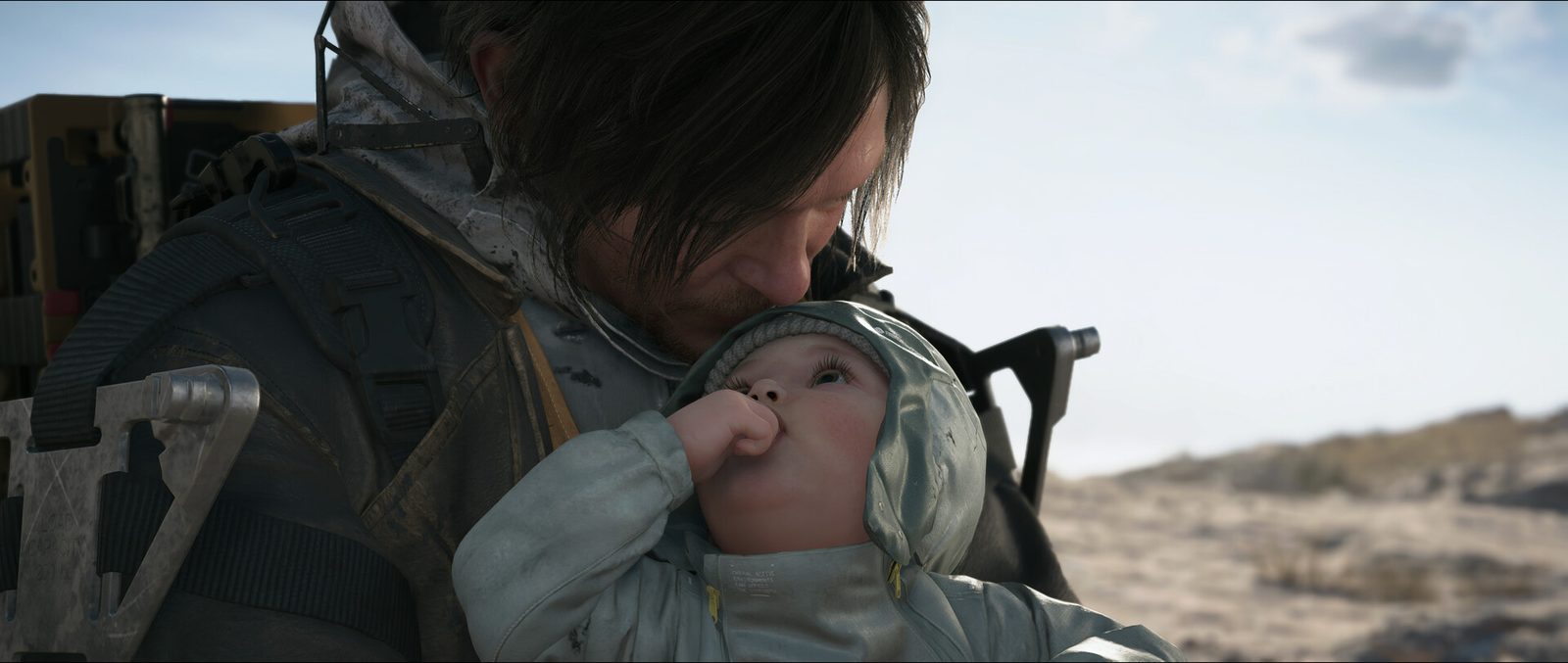
Transporting cargo remains the core activity. Before leaving, you consider equipment, vehicles and the obstacles along a route. Weight and terrain influence progress, so reaching a destination requires more thought than following a line across the map. A sensible preparation makes a difference once the journey begins.
The sequel is more engaging because there are more ways to handle those decisions. Tools and vehicles broaden the possibilities, while building roads and developing the monorail creates improvements that last beyond a single delivery. I like seeing a difficult route become more manageable through work I have put into it.
Environmental hazards still require attention, but having more options makes the challenge less restrictive. I felt more involved in choosing how to solve a problem, rather than simply enduring an obstacle. That is the sequel’s most meaningful improvement for me.
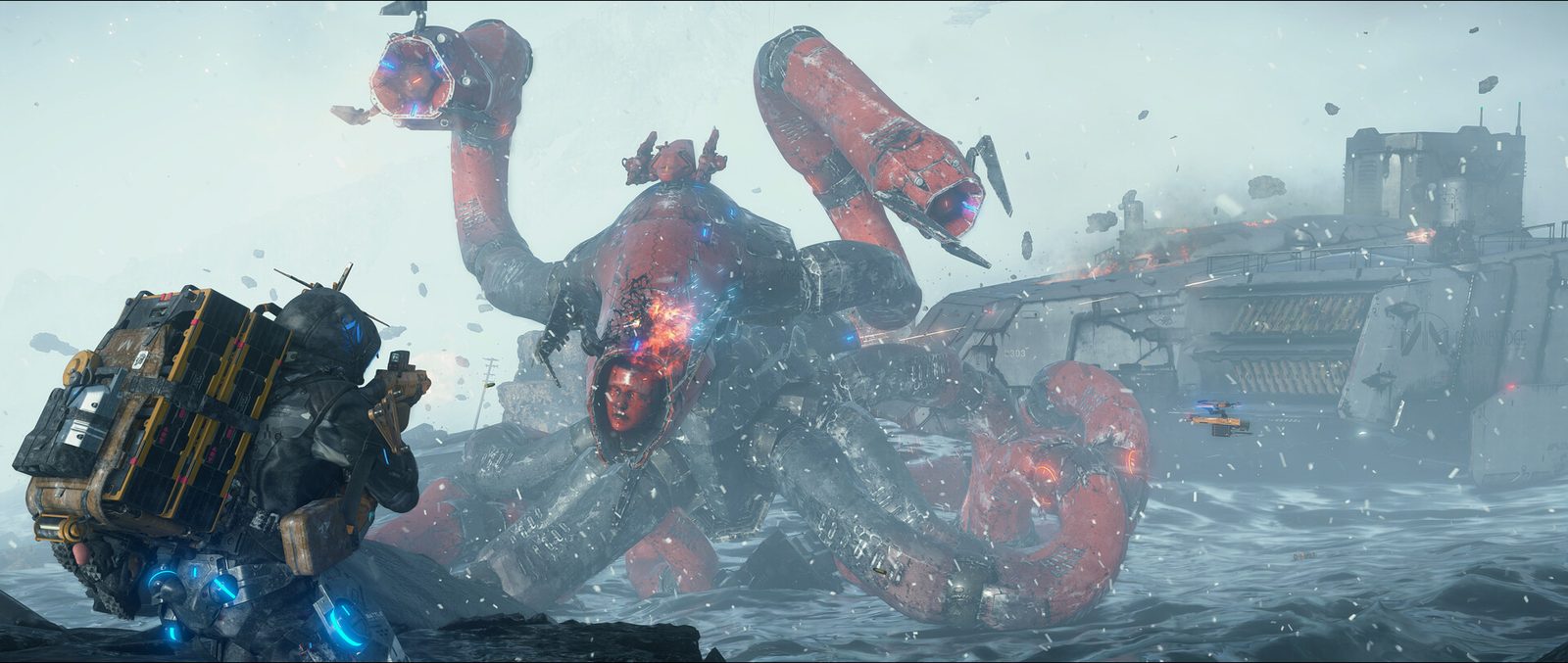
Combat and stealth also provide useful changes of pace. Depending on the situation, confronting enemies, slipping past them or avoiding a fight can all fit the journey. These choices support delivery rather than replace it. The balance is better than before, though players looking for constant action may still lose patience with lengthy travel.
Infrastructure changes the world you travel through
The Social Strand System remains one of the series’ best ideas. Connecting an area allows structures and useful contributions from other players to appear in your world. Much of the travelling is solitary, yet a helpful bridge or road makes someone else’s effort tangible. It changes how difficult your own delivery becomes.
I appreciate how directly this expresses the theme of connection. Helping another person is something a structure can accomplish, rather than simply a message delivered in dialogue. In return, the journey benefits from work by people I have never met. The game does not need everyone present in a conventional multiplayer session to make their contributions meaningful.
The monorail was worth completing because its usefulness belongs to the central activity of transporting cargo. A finished line makes the result of contributing resources understandable. Construction has a purpose of its own, rather than feeling like a side activity whose only value is another reward.
Images and music work together
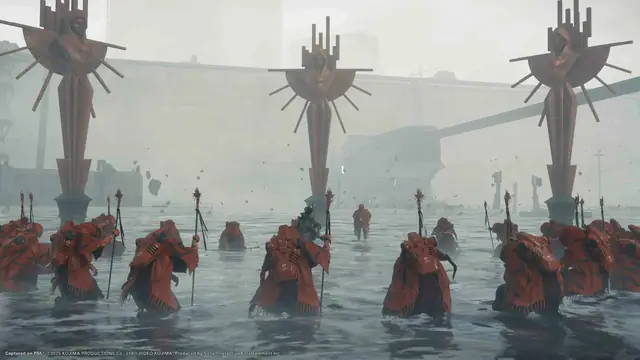
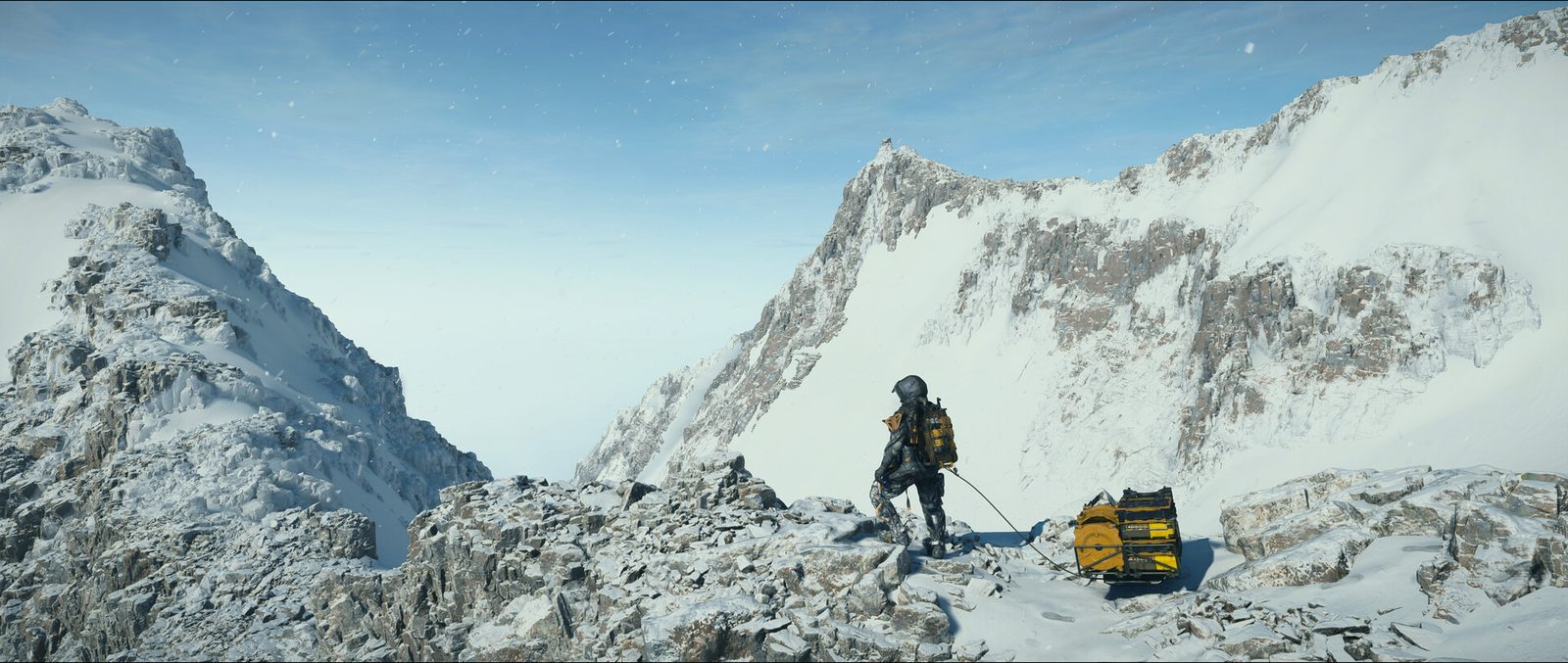
Death Stranding 2 looks excellent, but its appeal extends beyond detailed surfaces. Open ground, cliffs and changes in lighting give travel a particular mood. The landscape makes Sam’s task feel substantial and conveys his small place within a vast environment. Because the terrain also influences movement, the imagery stays connected to the activity.
Character design and surreal compositions give the game a recognisable identity. It can appear distant or melancholy, yet those qualities help its images remain memorable. The sequel uses that visual language with confidence instead of relying solely on the surprise of something unusual.
Music arrives at moments that suit the rhythm of a journey. A song crossing a wide, quiet landscape has an effect because the game has first allowed that landscape to settle. I value how sound and image work together here. They give repeated deliveries atmosphere and emotional progression.
The quiet passages matter to that use of music. Leaving room around a journey allows a song to change how the landscape feels when it arrives. This is what I value about the audio: it belongs to the rhythm of travelling, rather than functioning as a good album placed alongside attractive scenery.
PC settings offer flexibility, with hardware demands to match
Image quality matters in a game that asks you to spend so much time looking at terrain. The PC version offers several ways to balance that clarity against performance, including resolution settings, unlocked frame rates and reconstruction options such as DLSS, FSR and XeSS. I appreciate having options suited to different hardware rather than a few broad presets alone.
Ultrawide support fits the expansive landscapes, while control and accessibility settings make a long game easier to tailor. Sensitivity, vibration and adaptive trigger effects can be adjusted to preference. Comfort matters when travelling and managing cargo remain central activities across many sessions.
That presentation still needs suitable hardware. Official requirements specify 16 GB of RAM and 150 GB of SSD storage, with higher resolutions demanding a stronger graphics card. Flexibility is a strength of the PC release, but choosing settings appropriate to your system remains necessary. The highest settings should not be treated as a requirement for enjoying the journey.
Reasons to stay after the main story
The standard edition was listed at $69.99 on Steam’s US store when checked on October 16, 2026. For me, the value comes from the story and the work I still wanted to do afterward, particularly improving transport links. A fixed hour count would not explain that appeal as well as seeing a familiar region become easier to cross because of infrastructure I helped build.
It remains a matter of taste. New tools make deliveries more flexible without turning the game into constant action. Someone who disliked preparing cargo and navigating terrain may still find the routine unappealing. Players drawn to the original idea but frustrated by its restrictions have stronger reasons to return.
Steam does not list Vietnamese language support. Familiarity with the first game also helps, since the sequel continues Sam’s story and spends considerable time on dialogue. Knowing those earlier relationships gives the new journey greater emotional context.
Verdict
Death Stranding 2: On the Beach is a sequel I enjoyed more because its story and systems work better together. The characters gave me a reason to care, deliveries offered more ways to handle a problem, and construction produced useful changes. Excellent visuals and music remain major strengths, but the sense of improving this world also kept me playing. A deliberate pace and occasionally elaborate storytelling may frustrate some players. For anyone drawn to the original idea, the improvements make returning worthwhile.
A more assured journey
Flexible deliveries, meaningful infrastructure and a stronger emotional story make an excellent sequel, although its slow pace and elaborate storytelling remain an acquired taste.
Recommendation: Buy now if you enjoy deliberate exploration and building useful transport routes. Consider the pace before buying if you need constant action.
Reviewed on PC after completing the main story, with continued play afterward. This review avoids major ending spoilers and does not present comparative hardware benchmarks.
Sources: previous review supplied by the author, Steam US: price, languages and PC requirements, PlayStation: game information.
Images: Kojima Productions / Sony Interactive Entertainment. Official promotional screenshots.