In-Depth · Design & Craft · Light spoilers through the gift assignment for Lou; no later plot reveals
Death Stranding 2 impresses through its scenery and visual quality, yet long deliveries and a familiar loop from the first game can still test a player's patience. For OtaHub, Sam and Lou's appeal lies in the ordinary concerns within this strange world; the difficulty is that the game does not always sustain that attachment throughout the journey.
A more beautiful world still gives Sam familiar work
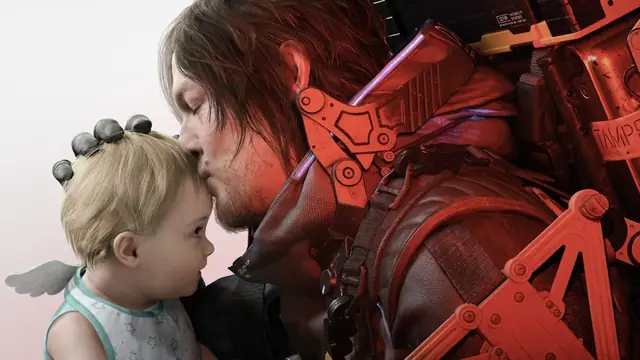
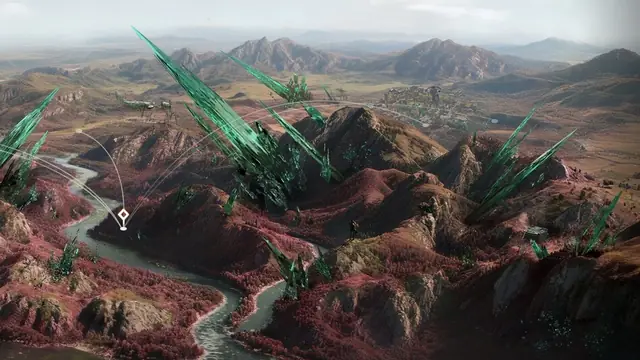
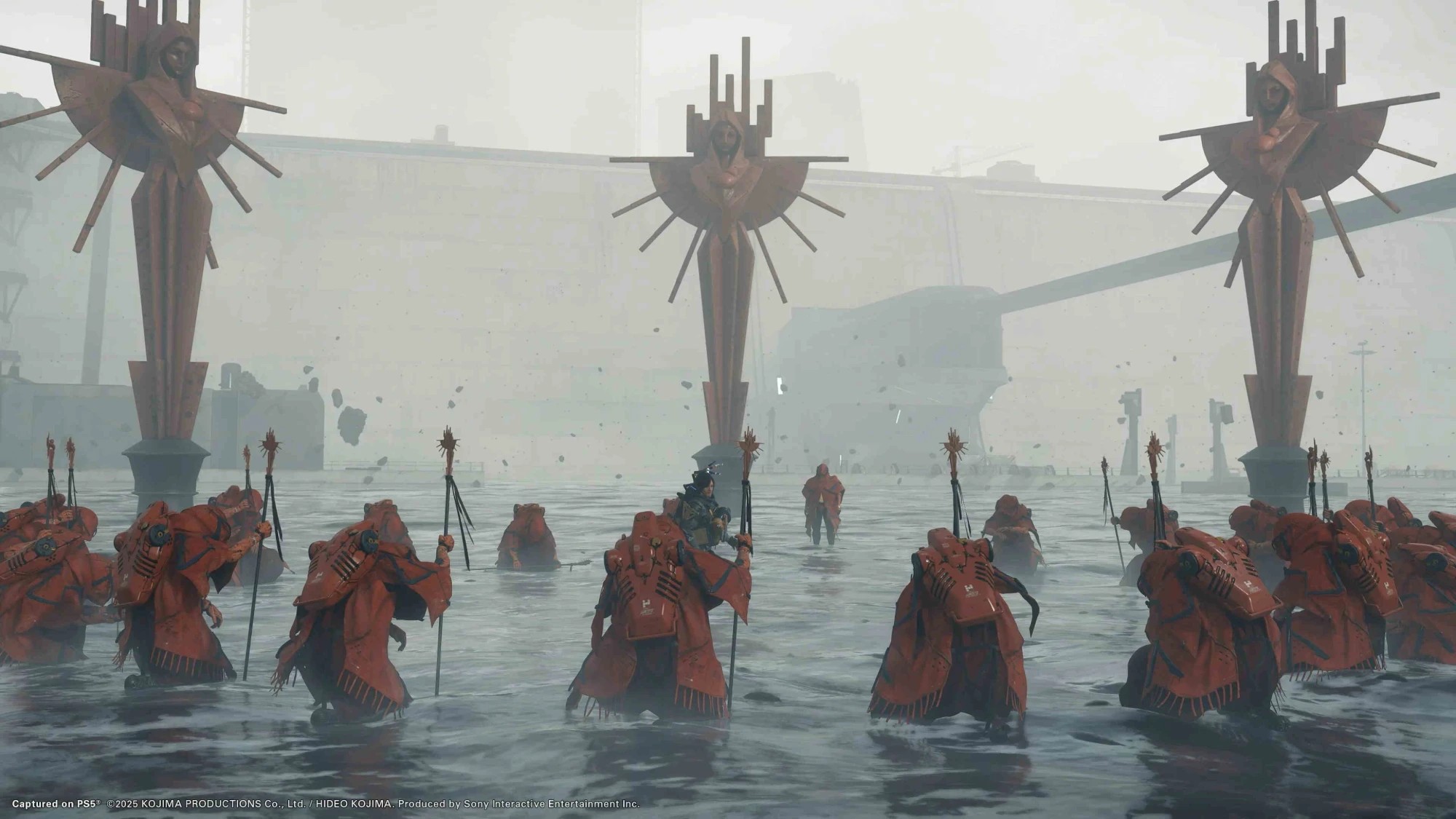
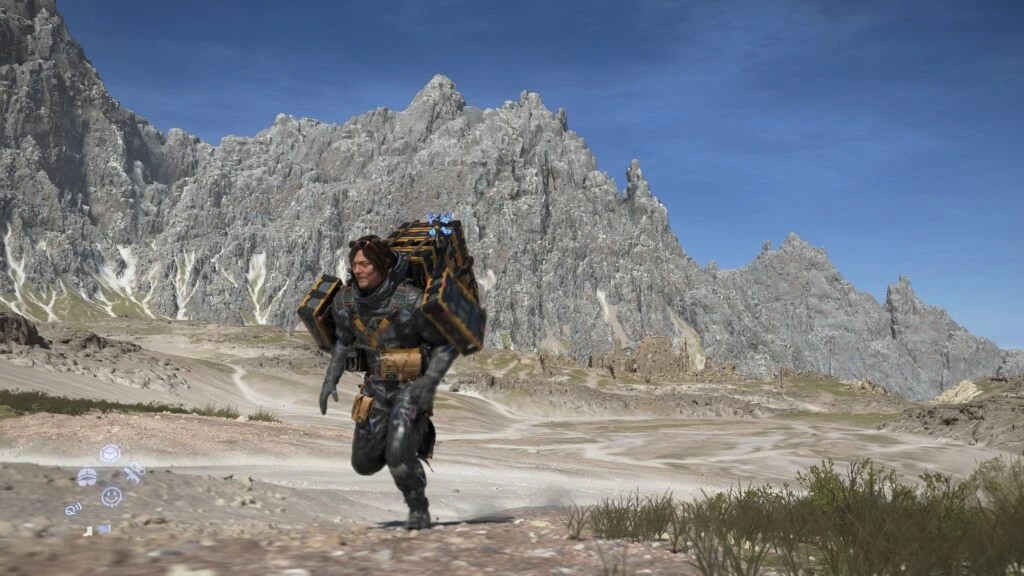
Death Stranding 2 can make you want to linger over a view, particularly as Sam crosses expansive terrain or returns to the home he shares with Lou. Its visuals make the world unfamiliar while preserving places that feel approachable, so the attraction involves more than technical quality: there is someone worth returning to.
For players of the first game, however, accepting cargo, preparing a load and travelling long distances no longer carry the surprise of their first encounter with Death Stranding. New scenery changes the atmosphere, but familiar work can soon draw attention towards the remaining distance and the time needed to finish an assignment.
This does not mean the sequel changes nothing. Its official Steam page describes additional tools, combat approaches and APAS upgrades for Sam, while delivery and connection remain the foundation. The more useful question is whether those additions make journeys sufficiently different or primarily make familiar work more convenient.
OtaHub leans towards the latter interpretation when examining moments of lost interest: a sequel can be more polished while still making an experienced player feel they are repeating a task. More striking graphics can make the gap between a fresh-looking world and familiar activity easier to notice.
Long travel becomes tiring when preparation stops being appealing
Death Stranding's attraction includes taking responsibility for a journey, from carrying cargo to choosing a route. When you still want to try another path or adjust a load for difficult terrain, travel gives you meaningful work and arrival feels like completing something you organised yourself.
Familiarity has a drawback, however. Once a reliable approach works across multiple assignments, there may be less incentive to experiment with another tool or prepare more carefully. The trip still takes time while the activity holding your attention diminishes, making repetition a matter of both duration and limited pressure to change your approach.
This concern appears in WLKRE's Steam review, which describes easy traversal and a repetitive rhythm of assignments followed by returns to the DHV Magellan. It is an individual judgment, but raises a useful distinction: time spent travelling need not mean time spent overcoming challenges, and an undemanding route can still be tiring.
For OtaHub, that distinction helps explain impatience on the way home to Lou. The objective has a clear meaning, but when arrival is all you want, preparation and travel can become work to finish. If a long assignment does not encourage a different approach, scenery struggles to compensate for time that feels excessive.
More tools do not necessarily make choosing between them more interesting
Death Stranding 2 expands ways to deal with danger, letting Sam fight directly, use stealth or avoid some areas. That fits a delivery game: players can choose how to protect a journey rather than always resolve danger through the same kind of encounter.
The value of a choice depends on having a reason to consider it. If a familiar approach usually suffices, alternatives can become tools used for curiosity rather than because a journey calls for them. A player who enjoys inventing situations may welcome that freedom, while someone expecting the game to pose new problems may find the additions change little about the work.
Steam reactions are also inconsistent about difficulty: some reviewers find the game too easy, while repeated attempts at a BT can frustrate a particular player. Those judgments concern different situations, so one encounter cannot establish that the whole game is hard, and another person's complaint about ease does not invalidate difficulty in that encounter.
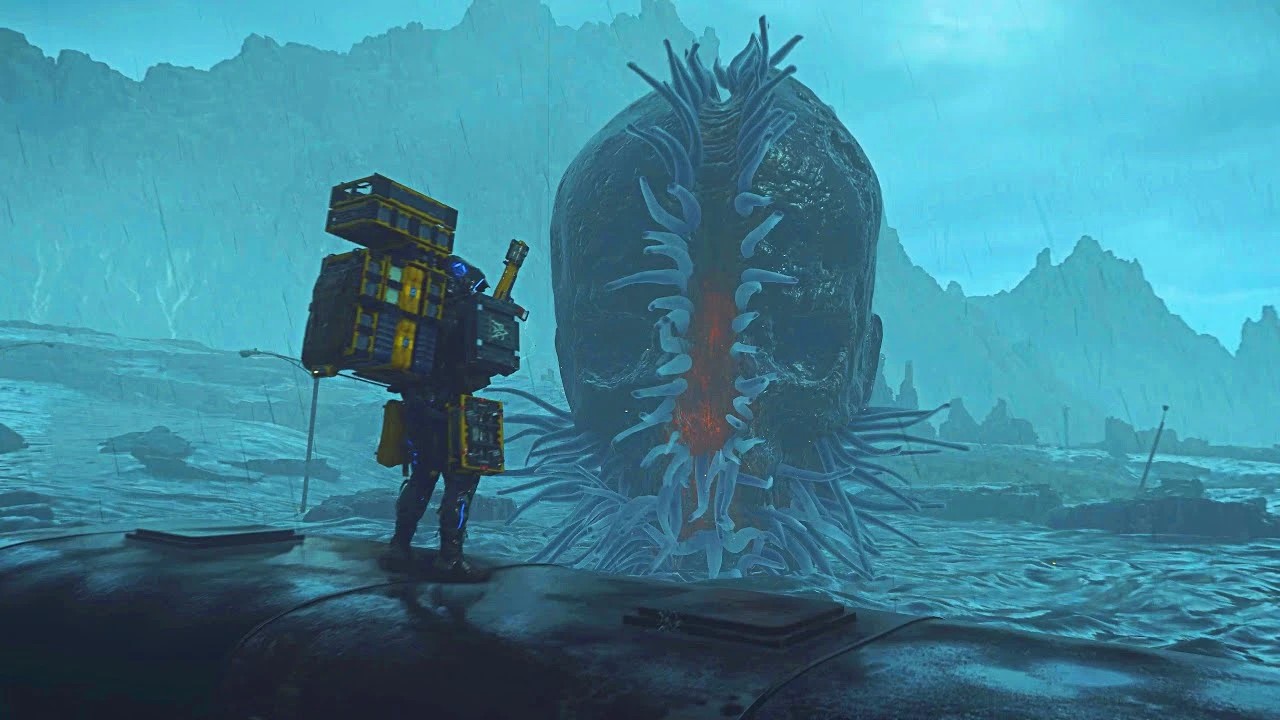
OtaHub's concern is whether another attempt encourages a different response. A giant boss can make an impressive entrance, but once the surprise passes, the fight needs reasons to observe, adjust and try again. If its visual spectacle supplies most of the excitement, combat may struggle to sustain interest across failures.
Storytelling and reminders can intrude on the quieter parts of a journey
Sam and Lou offer an accessible attachment because a home, a child and a present make sense without memorising the world's vocabulary. They give the story an ordinary objective, while extensive explanations ask for attention to names and events outside their relationship.
The difficulty therefore concerns when information arrives as well as how much there is. When you want to continue an assignment or return to Lou, a prolonged explanation can interrupt the emotional thread. You still care about the characters but have less patience for how the information reaches you.
A concrete example in Lockdonnen's Steam feedback concerns Dollman repeating a warning about a weapon's noise when it is equipped, despite an earlier explanation. This is worth considering because guidance that helps initially can become an interruption after the player understands it and wants to handle the journey independently.
OtaHub sees frequent reminders as a potential disruption to the pleasure of finding a way through Death Stranding. When the game immediately explains something that has appeared, it leaves less time to observe and work out a response; alongside long story passages, that can make the experience feel more directed than expected.
The Corpus and the first game's menu recap remain useful references, but they cannot settle every pacing problem. For OtaHub, maintaining attachment to Sam and Lou matters more than explaining every phenomenon immediately, because understanding a term does not necessarily create a desire to hear more.
Another view: familiarity remains an attraction for many players
The criticisms do not establish that Steam players generally dislike Death Stranding 2. On October 13, 2026, the store page showed 94% positive among 6,174 English-language reviews, labelled Very Positive. That is the displayed language group's figure rather than a worldwide percentage, and places the negative feedback discussed here within a broader reception.
Players who enjoy delivery work may see improvements and broader options as reasons to continue a style they already love. They do not require the sequel to replace the original's foundation, making familiarity a return to an appealing world rather than a repeated list of tasks.
For someone who valued the first game's novelty and need to fend for themselves, accessibility may not generate equal excitement. OtaHub considers this distinction essential: Death Stranding 2 can improve its established approach while leaving a wish for a sufficiently different journey unfulfilled.
On PC, visual quality needs consistent performance alongside it
The graphics invite high settings, but lengthy journeys also make inconsistent frames uncomfortable. A slightly lower preset can be worthwhile if control feels steadier, rather than preserving a visual difference most noticeable while standing still.
Nixxes' specifications pair an RTX 3060 12 GB with Medium at 1080p and 60 FPS, while Very High targets 4K at 60 FPS with an RTX 4080 or RX 9070 XT. These are starting points tied to hardware and resolution, rather than diagnoses of every frame-rate drop or guarantees that changing a preset resolves it.
Conclusion
Death Stranding 2 combines strong visuals and scenery with an assignment loop familiar to players of the original. For OtaHub, the obstacles worth discussing concern long journeys that do not always demand a fresh response, broader options that may remain unused, and explanations that can displace independent observation.
Sam and Lou still provide a reason to care, while the desire to continue another delivery depends on enjoying the work itself. If you wanted a sequel that substantially changed how you play rather than refined the established approach, you can love its world while finding too little novelty to keep you there.
Sources: Steam game page and English reviews (features, review percentage); WLKRE's Steam review (difficulty and repetition); Steam negative feedback, including Lockdonnen (Dollman reminders); PlayStation's guide (Corpus, recap); PlayStation Blog / Nixxes PC specifications. Steam feedback reflects individual opinions; interpretations are OtaHub's. Images: Kojima Productions / Sony Interactive Entertainment; opening image captured on PS5. Checked October 13, 2026.