Hades 2 might seem like an obvious business decision after the huge success of the first game, but Supergiant Games says the real reason it made a sequel was creative. For the team, continuing to explore the world of Greek mythology and taking on a new sequel was a more important motivation than choosing the financially safe option.
After the success of Hades, developing a sequel seemed like a fairly predictable choice. For Supergiant Games, however, the decision wasn’t that simple. In Noclip’s new documentary about the making of Hades 2, members of the studio reveal that they considered many other projects before deciding to return to the world of Greek mythology.
Studio director Amir Rao says that whenever Supergiant finishes a project, it usually takes time to look back at the game it just made, see what the team learned and whether it still feels excited about that world. During this process, Rao himself once thought the studio probably wouldn’t make a Hades sequel.
The reason lies in how Supergiant approaches new projects. The studio is known for building different worlds and ideas with each game, from Bastion and Transistor to Pyre and Hades. So returning to an existing franchise isn’t the default choice after every success.
Even so, the team felt that the world of Hades still had a lot left to explore. Supergiant’s art director Jen Zee says Greek mythology has an enormous cast of characters and stories, while the first game only tapped a small part of it.
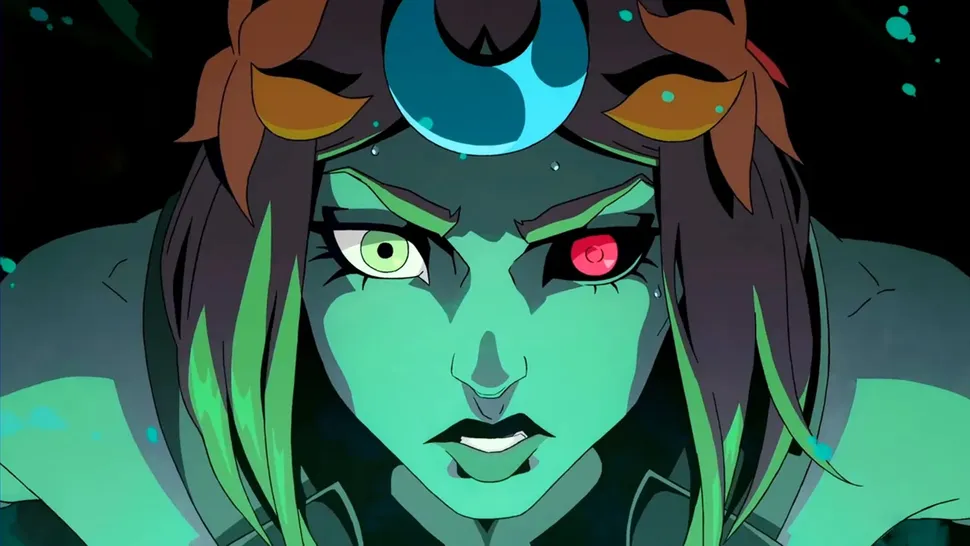
That wealth of untapped ideas is what made Hades 2 a project worth considering. Rather than simply expanding what already existed, Supergiant had the chance to approach other characters, stories and aspects of Greek mythology through a new protagonist, Melinoë.
Notably, Hades 2 becoming the first sequel in Supergiant’s history also created a challenge of its own. The team is used to starting from a completely new world, so building on a game with an existing foundation was both a challenge and part of the project’s appeal.
Jen Zee says Supergiant has always been somewhat wary of making sequels because the studio enjoys exploring new worlds. But the fact that it had never made a sequel before is exactly what made Hades 2 interesting to the team.
From a business standpoint, the success of Hades is certainly a factor that can’t be ignored. The first game became Supergiant’s most successful title in many respects and won more than 70 Game of the Year awards after its full release in 2020.
Even so, Supergiant feels that commercial success also brings new expectations. According to Amir Rao, if you only look at the financial side, making a sequel could be a sensible choice. But that alone isn’t enough for the studio to start a new project.
This view comes through clearly in how Rao describes Supergiant’s project selection. Even when a sequel was the right financial decision, the studio admits it has many times chosen other paths instead of prioritizing the safe option.
What matters more to Supergiant is that the team genuinely feels excited about a project. The success of Hades meant Hades 2 would face bigger expectations, but if the developers themselves couldn’t find creative motivation, the project would struggle to get started.
Supergiant also explained this approach in its official information about Hades 2. The studio says it wants each new project to be a challenge that helps the team grow its game-making skills. With Hades 2, that challenge was finding a way to create a sequel that keeps what made Hades special while expanding its world in new directions.
Hades 2’s development also reflected Supergiant’s experimental approach to making games. The studio put the game into Early Access in 2024 and kept adding and changing content based on development and player feedback.
In September 2026, Supergiant marked one year since Hades 2 officially launched its 1.0 version. The studio also announced a partnership with Noclip on the documentary series Developing Hell II, chronicling the making of the new game.
Looking back at Hades 2’s journey, the decision to make a sequel didn’t come only from Hades becoming a huge success. For Supergiant Games, it was also a chance to try a way of making games the studio had never done before, keep exploring Greek mythology and see whether it could create a sequel worthy of the first game.
Source: Compiled from multiple reports