In-depth · Design & Craft · No spoilers
In Planet Zoo 2, designing a zoo can include aquariums and aviaries with room for birds to fly. Those additions matter beyond whether a screenshot has prettier lighting, because they expand the environments players can create. For OtaHub, that is the most useful starting point for comparing the sequel with the original.
Planet Zoo already combines landscape construction with zoo management. A sequel therefore needs a reason to begin another project beyond an improvement in image quality. This analysis examines the announced construction tools and habitat types alongside the original game and official screenshots.
A beautiful screenshot does not explain the building process
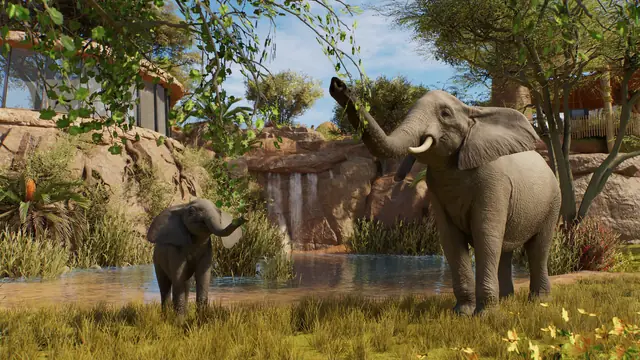
A discussion on r/PlanetZoo began with an unusually careful comparison. User billonel said they spent two hours placing vegetation in Planet Zoo to recreate a scene from the sequel’s trailer. The resulting images prompted debate about color, lighting and realism. The effort also demonstrated how attractive a carefully built scene in the original can remain.
Those two hours describe recreating one particular scene in the older game. They do not establish how long the same task takes in Planet Zoo 2. A commenter’s suggestion that the sequel could do it in minutes remains speculation. It cannot support a conclusion that the new technology automatically replaces the player’s work.
For a construction game, the process matters too. Can a player revise a section, try another layout or extend a structure conveniently? A finished image does not show those steps. Understanding the sequel means examining the tools and kinds of spaces it offers.
More building tools still leave the layout to the player
The original Planet Zoo already supports detailed construction, terrain editing and sharing creations. An attractive scene in the sequel therefore does not mean the older game relies exclusively on placing individual plants. Both games share a creative foundation, while the sequel’s specific additions are what deserve attention.
Frontier’s description introduces pathing tools, scaling, color options and vegetation and terrain brushes. Players can use ready-made blueprints or construct their own designs piece by piece. These approaches serve different needs: quickly establishing a usable area and then refining it toward a personal style.
OtaHub sees the potential value of assistance in reducing repeated actions so that players can test more arrangements. Editing a whole hillside, for example, can call for a different tool from adjusting a single object. That explains how an area-based tool might support design. Measuring the time it saves requires testing the same task.
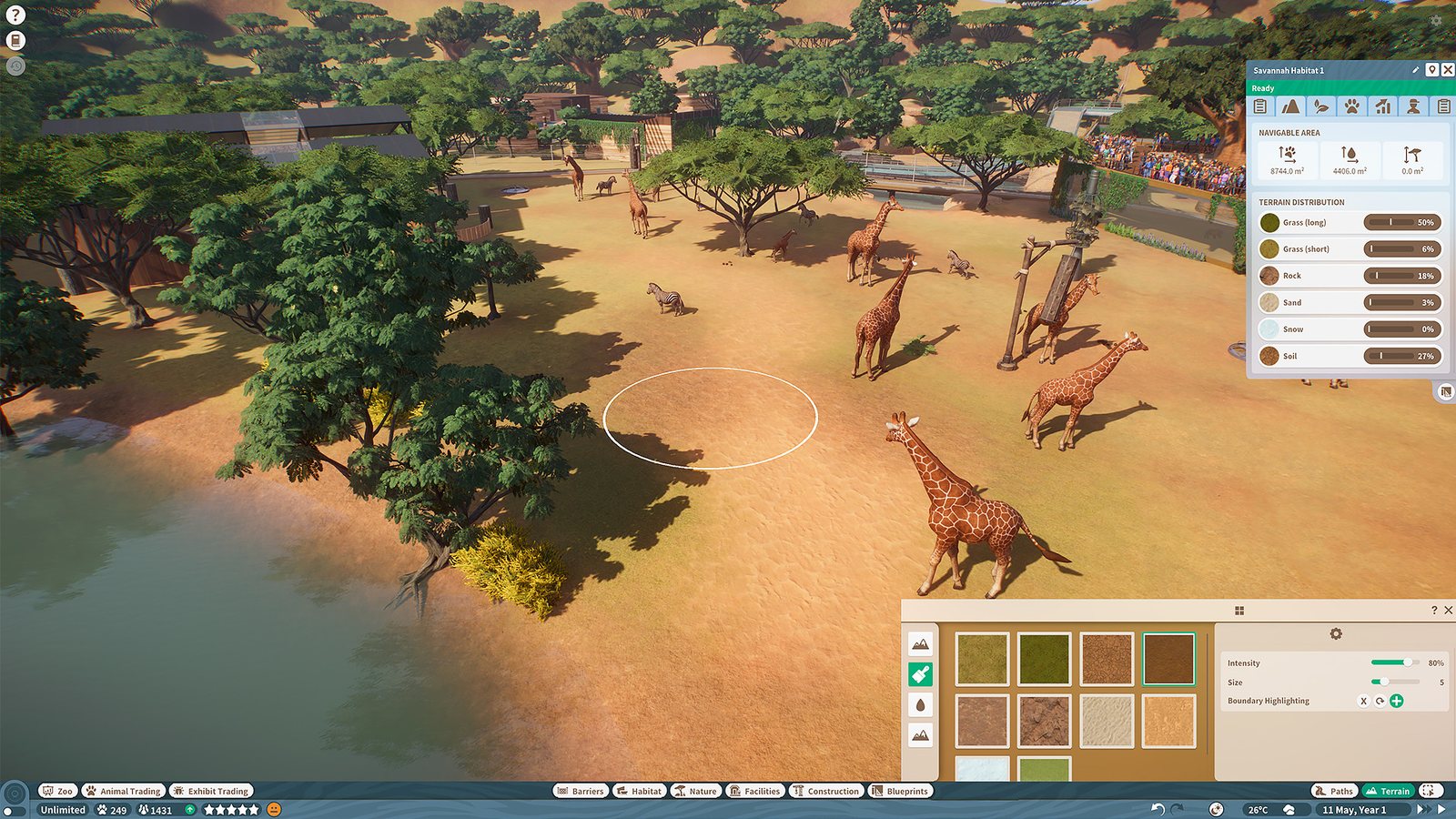
Even with more convenient tools, the player still chooses where habitats belong and how visitors reach them. Assistance does not decide the zoo’s style. Describing particular construction options is therefore clearer than suggesting the engine takes over the work of making a zoo beautiful.
Aquariums and aviaries expand the space to design
A more substantial difference concerns animal environments. Frontier introduces fully aquatic species and flying birds housed in custom aviaries. These expand the construction possibilities rather than merely providing another set of decorative objects.
The design implications include the viewing angle. A ground-level habitat might be observed from a path beside it. An aquarium suggests viewing animals through glass, while an aviary makes the space overhead part of the attraction. Each environment invites a different arrangement around the same basic goal of seeing animals.
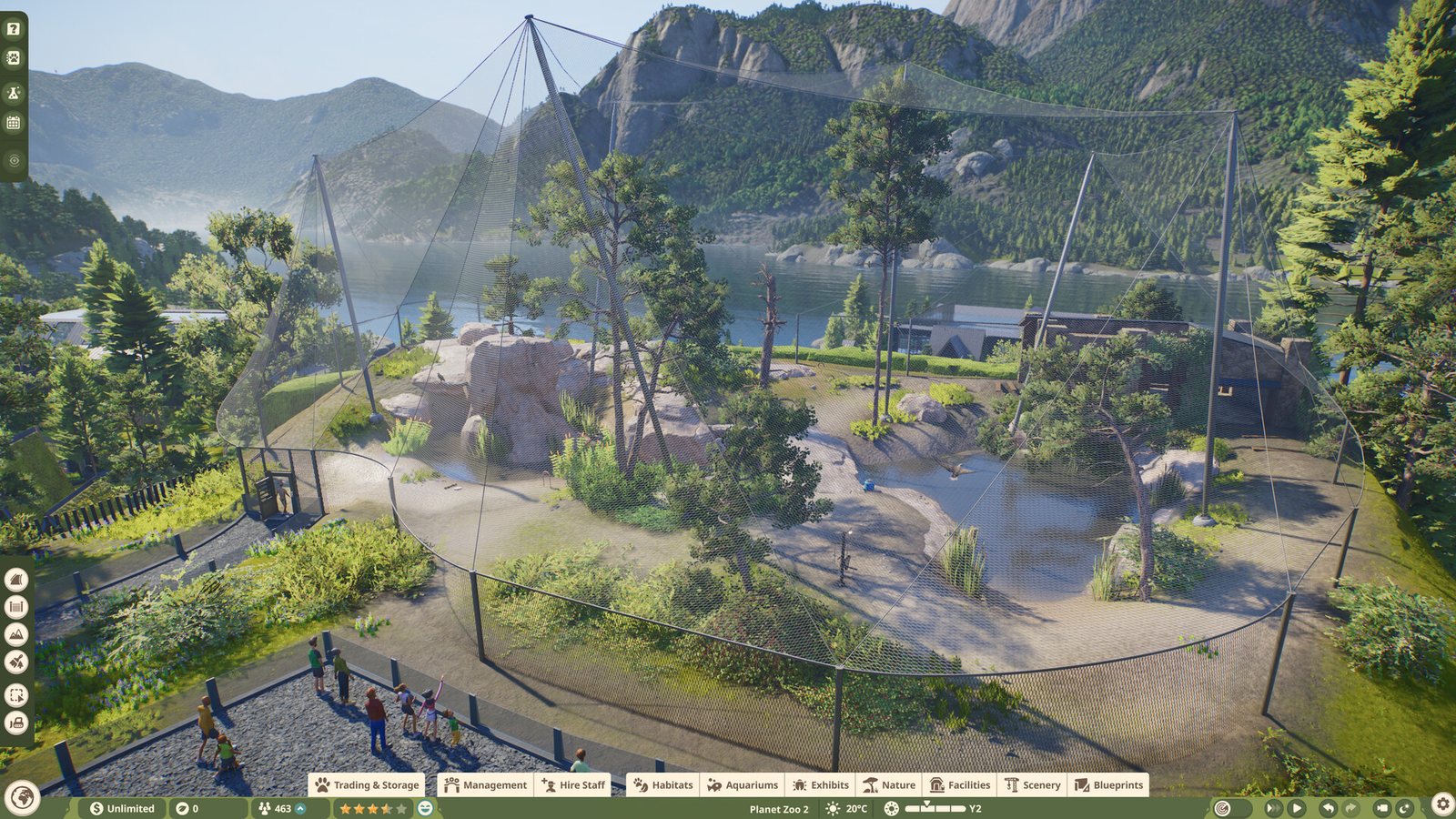
The official aviary image makes the role of height and enclosure easy to understand. Someone interested in creating a bird habitat has a reason to investigate that system even if they do not consider the sequel’s vegetation dramatically more attractive.
For someone concentrating on a familiar savanna project, that benefit may be less urgent. A new feature becomes a reason to switch when it serves something the player actually wants to build. Two viewers can reasonably reach different conclusions after watching the same trailer.
Presentation can explain the appeal of an attraction
Visual style also shapes the way a zoo feels. In the sequel’s aquarium tunnel image, visitors have a stylized appearance while the surrounding animals and water lean toward realism. That contrast is visible without assuming anything about changes to the rendering engine.
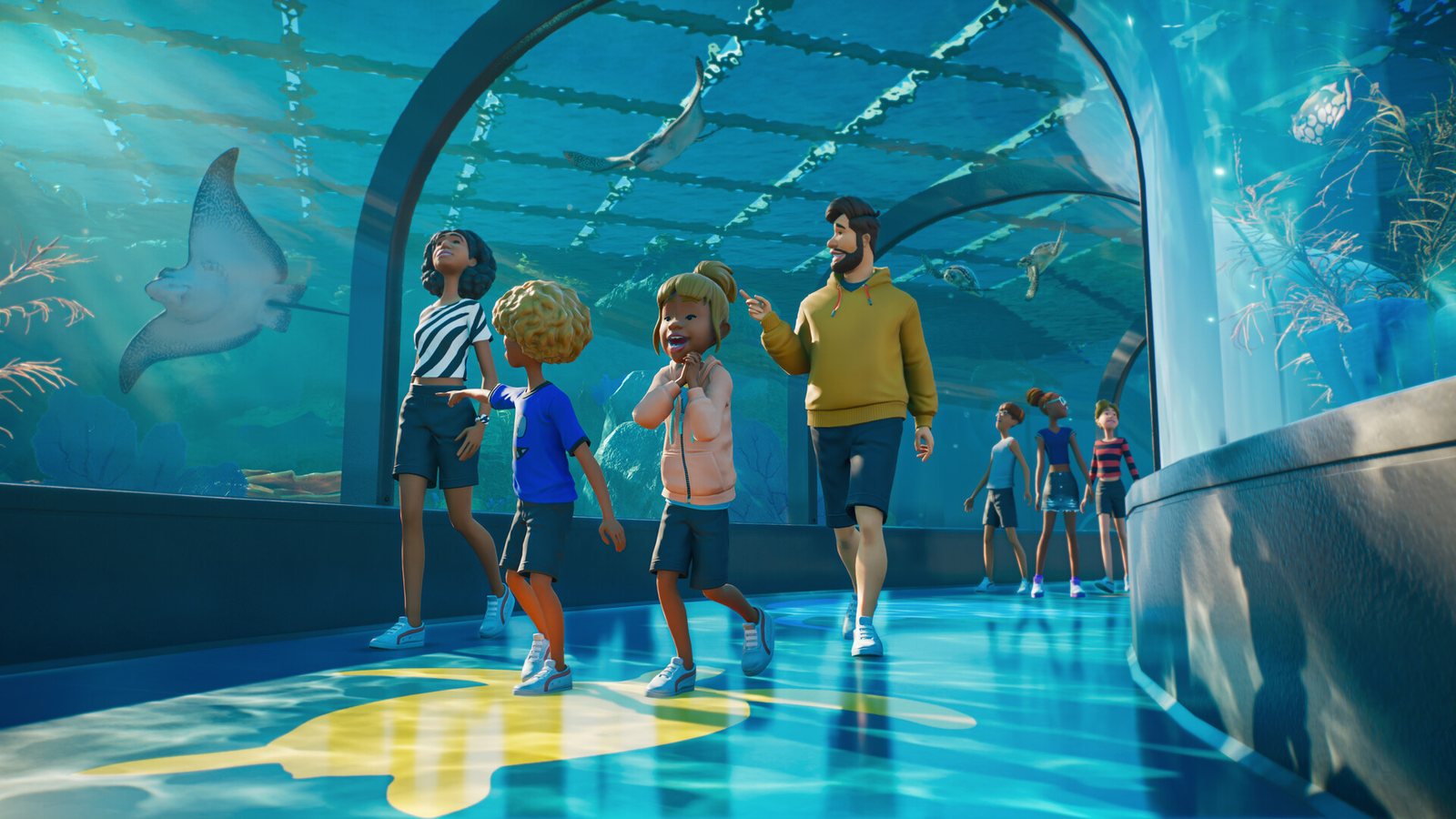
OtaHub finds the relationship between visitors and animals useful here. Their poses, gaze and the glass overhead communicate the attraction’s appeal. The image helps explain a space that players may want to design.
It does not establish that stylized humans were retained to reduce hardware demands. That would require an explanation from the developers or suitable measurements. Players who prefer the original’s colors can also reasonably maintain that preference. Greater realism is not a universal aesthetic advantage.
Higher requirements are a separate question
The published minimum requirements are higher for the sequel. The following figures come from the two Steam listings, checked on October 17, 2026.
| PC minimum | Planet Zoo | Planet Zoo 2 |
|---|---|---|
| CPU | Core i5-2500 / FX-6350 | Core i7-8700K / Ryzen 5 3600 |
| RAM | 8 GB | 16 GB |
| GPU | GTX 770 2 GB / R9 270X 2 GB | RTX 2060 6 GB / RX 5600 XT 6 GB / Arc A750 8 GB |
| Storage | 16 GB | 40 GB |
Frontier recommends an SSD at the sequel’s minimum specification and requires one at its recommended specification. Players whose computers only just meet the original’s requirements should therefore check the CPU, memory and graphics requirements together. The GPU model alone does not answer the compatibility question.
These figures do not reveal frame rates in a crowded zoo. Nor do they isolate how much of the increased requirement comes from lighting, animals or another system. Meeting the minimum specification also does not guarantee suitability for the settings and zoo size you have in mind. A more useful next step for prospective buyers is a test stating the settings and zoo size on comparable hardware.
Another view: the original still matters to existing builders
Not every player needs to start again for additional habitat types. Continuing a zoo built over many sessions has practical value in itself. The original’s community creations can also supply ideas or reduce the work of constructing individual details.
Players hoping to build an aquarium or aviary have a more specific reason to investigate the sequel. That is stronger than choosing according to the number of comments praising a screenshot. It is possible to prefer the original’s appearance while wanting new tools, or enjoy the sequel’s scenery without needing to switch immediately.
Conclusion: what do you want to build next?
Planet Zoo 2 broadens the environments players can design and adds construction options. Aquariums, aviaries and zoo layouts offer a concrete way to assess those changes. They do not establish that the game creates beautiful spaces automatically or that visual effects alone explain the hardware requirements.
OtaHub would begin with the project you want to create. If it is an aquarium or bird habitat, examine how the sequel supports that idea and compare its requirements with your computer. If you still enjoy improving familiar habitats, the original has not lost its value simply because a sequel exists.
Scope: design analysis based on published information and official images, rather than a hands-on review or performance test. Sources checked October 17, 2026: Frontier’s Planet Zoo 2 Steam listing, Frontier’s Planet Zoo Steam listing and billonel’s image comparison on r/PlanetZoo. Community comments provide context for the discussion.