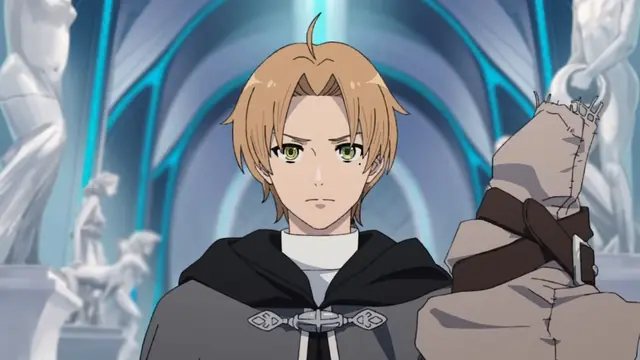
Mushoku Tensei opens on a familiar isekai premise: a failed 34-year-old man who lived as a recluse in his past life is given the chance to live again in another world. But the deeper the story goes, the clearer it becomes that reincarnation is not a “start over” button. Rudeus carries all the memories, fears and psychological wounds of his old self. The real question of the story is therefore not just who Rudeus will become, but “Is changing your circumstances enough to change who you are?” That is exactly why the author brought Hitogami into the story: as a tool to push that question to its limit.
Hitogami Inverts the Isekai Trope
In the story, Hitogami (the Man-God) is a supernatural entity: not human, and not a warrior or ruler in form either. His appearance has almost none of the features of an ordinary person: pale white skin, indistinct outlines, hard to read. His eyes, gestures and expressions whenever he appears radiate arrogance and coldness, more like someone standing outside and controlling other people’s lives than someone taking part directly.

Hitogami does not show up to fight. He comes to Rudeus in dreams and offers advice when Rudeus is flustered or standing at a major fork in the road. In many isekai, the supernatural power is a benefactor who grants a chance, grants power, then steps back. Hitogami keeps exactly that silhouette, a being above it all appearing to help the protagonist, but its meaning is turned upside down. That familiarity is precisely why readers, and Rudeus himself, drop their guard so easily. The author borrows the genre’s unspoken faith that “the power above is on my side” and turns it into a weakness. The more familiar the guide, the easier it is to lower your guard.
The enemy doesn’t attack the body, but the way we choose
Hitogami does not need to overpower Rudeus. Ordinary trials force Rudeus to face a specific situation, while Hitogami works on the decision-making process itself. Rudeus must not only solve the problem in front of him but also judge whether the person advising him can be trusted. Every choice therefore carries a hidden second question: “Am I choosing for myself, or am I being led to this choice without realizing it?”
Manipulation Without Lying
What makes Hitogami dangerous is that he understands Rudeus very well. He knows Rudeus fears losing his loved ones, always wants to protect his family, and how cautious he has become because of his failures in his past life. So he doesn’t need to force anything. He only points in the direction of what Rudeus already wants. The advice sounds reasonable, so Rudeus convinces himself that the choice in front of him is necessary. This is the hardest kind of manipulation to resist, because the victim believes he is free.
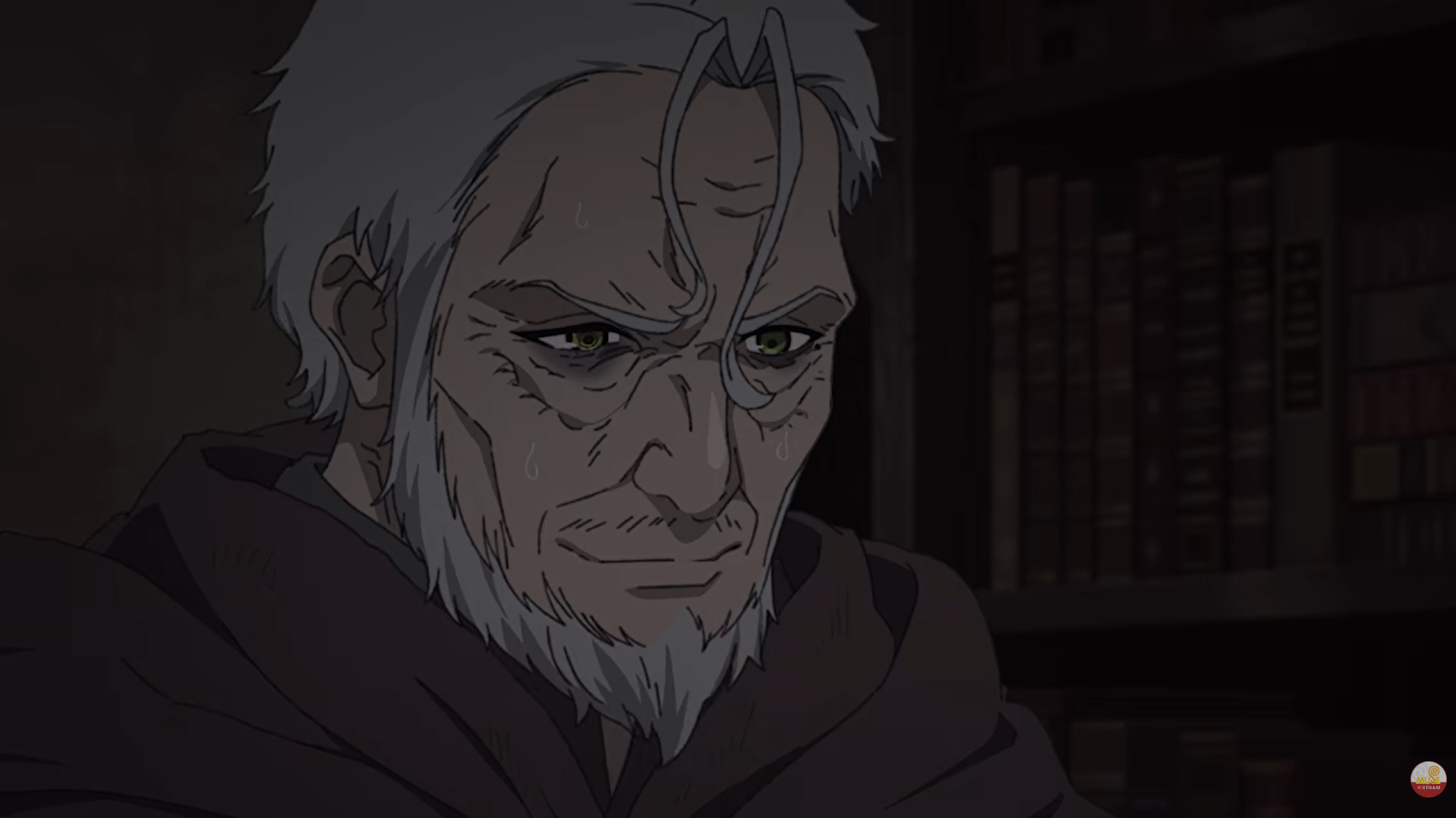
The tragedy of Oldeus, who loses his family and the people he loves under Hitogami’s guidance, shows most clearly how this trap works. Hitogami casts no net and builds no chains. He simply drops a lure that looks like reasonable advice and hits exactly the fear of losing loved ones. The rest Rudeus does himself. A person who is always afraid of loss, who always wants to hold on to what he treasures, bites easily when someone promises a safe path. Hitogami doesn’t create that fear; he merely sees it and places what Rudeus longs for most within reach.
The Familiar Lifeline of Someone Who Once Avoided Life
What matters most is that Hitogami doesn’t only strike at fear, he strikes at Rudeus’s old habits. In his past life he avoided the world and avoided responsibility. Hitogami’s advice is attractive not only because it is right or wrong, but because it opens a familiar path: hand the decision to an entity that seems to know everything in advance. If you follow it and it goes wrong, the fault isn’t entirely yours.
Seen this way, the real danger is not that Hitogami lies, but that Rudeus is willing to be led. In his second life he has genuinely changed: more careful, kinder, helping friends and protecting his family whenever needed. But renewing a life does not automatically mean choosing right. Hitogami’s presence poses a harsh test: has Rudeus truly escaped his old self, or has that habit just changed seats?
From Doubt to Verification
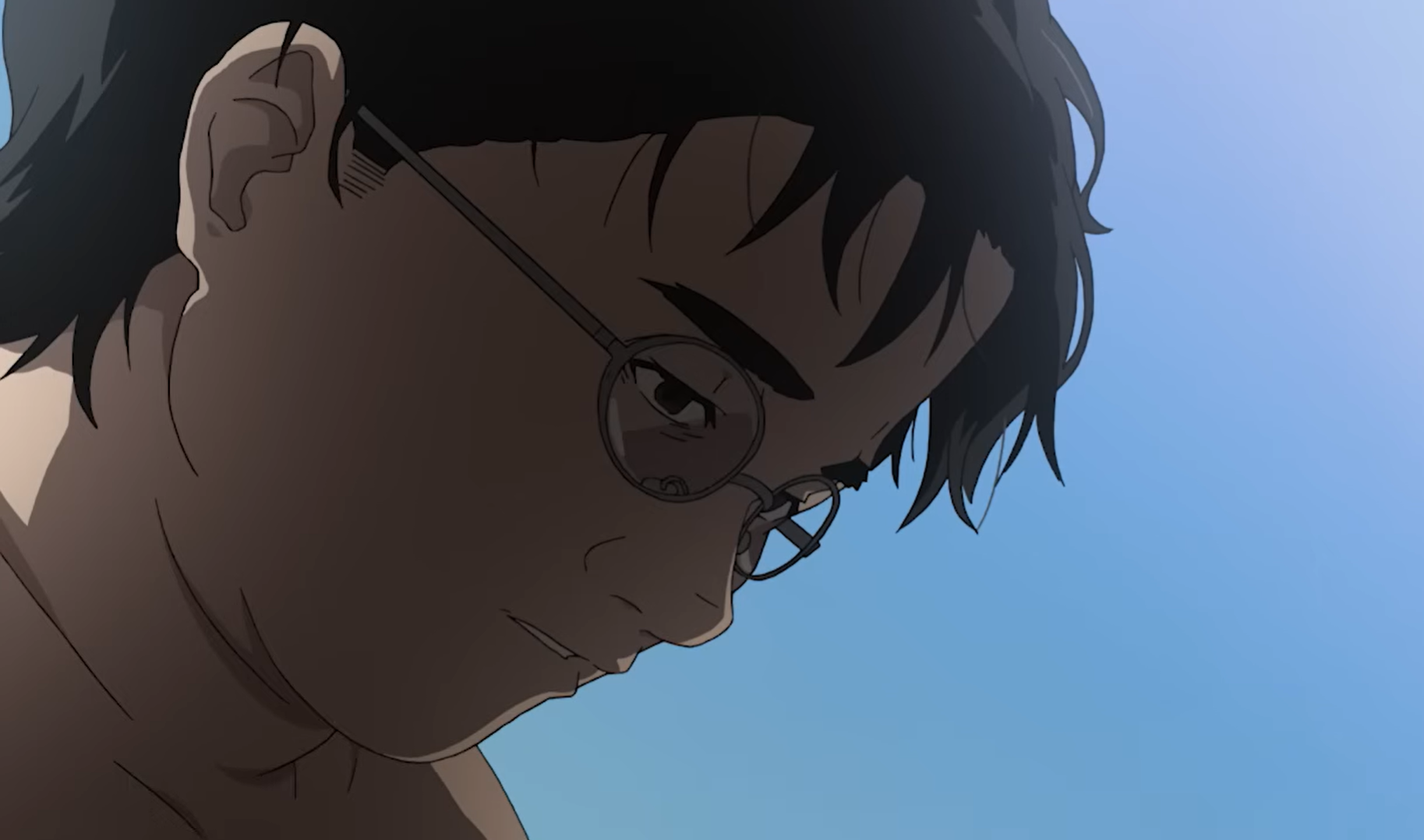
After the tragedies, what Rudeus needs to learn isn’t simply to distrust Hitogami. If he only doubts, he is still controlled in reverse: do the opposite of whatever Hitogami advises. What he must learn is to verify: to understand what he is doing, weigh his sources of information, and take responsibility for the final decision. That is the difference between reacting and governing yourself, and the character’s real coming of age. A choice that seems right can still lead to terrible consequences if we place our trust in someone we don’t truly understand.
Villain or Examiner?
Calling Hitogami a “tester” is only half true. A teacher tests a student so the student grows; Hitogami tests Rudeus to serve his own ends. Rudeus’s growth is a consequence, not Hitogami’s goal.
The paradox is that Hitogami is a villain with a purpose, yet he is also the most important and necessary test of Rudeus’s growth. The harder he tries to manipulate, the more Rudeus is forced to learn to doubt, verify, choose for himself and take responsibility for his own future. He grows by resisting Hitogami, not because of Hitogami’s appearance.
So What Does the Author Actually Want to Say?
Hitogami is not simply a villain; he is how Mushoku Tensei puts Rudeus before a core question: “If given a chance to live again, are people really free to choose, or will they still look for someone to decide for them?” Hitogami stands for outside influence: advice, guidance, faith in fate, everything that makes a choice easier. But those same things make it easy to forget that you are the one who has to live with the consequences.
So Rudeus’s growth isn’t about learning not to make mistakes, but about learning to take responsibility for his choices. He can be led, deceived, even choose wrongly, but he cannot hand that responsibility to Hitogami or any other power. And that is perhaps what Mushoku Tensei truly wants to say about a “second life”: being reborn doesn’t mean living someone else’s life. A second life doesn’t save people from mistakes; it only gives them one more chance to face them and answer for them.
Cover image: official Mushoku Tensei Season 3 key visual (cropped), © Rifujin na Magonote/MF Books/Mushoku Tensei III Production Committee, via the anime’s official X account and Anime Corner.