In-Depth · Production & Behind the Scenes · No spoilers
Astro Boy (Tetsuwan Atom) is a TV anime based on Osamu Tezuka's manga, broadcast on Fuji TV from 1 January 1963. It is known for how little it moves: characters stand still, mouths flap, scenes get reused. A 25-minute episode had only about 1,500 to 1,800 drawings, roughly one per second of film, when each second normally shows 24 images. The main reason was money.
The Japanese run has 193 episodes, and the last aired on 31 December 1966. The studio behind it was Mushi Production (usually called Mushi Pro), an animation studio Tezuka founded to adapt his own stories. To see why it drew so little, we first need to look at how long fully animated films in the Disney style took to make.
Why did Disney-style films not suit television?
Tezuka greatly admired Disney. Snow White opened in Japan on 26 September 1950 and he saw it that same year, later calling Disney the "god of animation". The film studio Toei (now Toei Animation) made films in the Disney manner. Hakujaden (1958), the company's first full-length colour feature, took about eight to nine months to finish. A television episode was entirely different: it had to be finished every week.
Why did one episode a week force fewer drawings?
Consider the arithmetic. According to ZoomJapan, a live-action children's programme then cost about 500,000 yen per episode. According to an Animetudes article drawing on accounts from people at the studio, Tezuka sold Astro Boy to the broadcaster at about 550,000 yen per episode, in line with the live-action programme. But the cost of making the film was far higher: episode 1 cost about 1.3 million yen and episode 2 about 900,000 yen, roughly 1.6 to 2.4 times the price. The exact figure is disputed, but the sources agree the cost was above the selling price. With a gap like that, the studio had strong reason to cut the number of drawings.
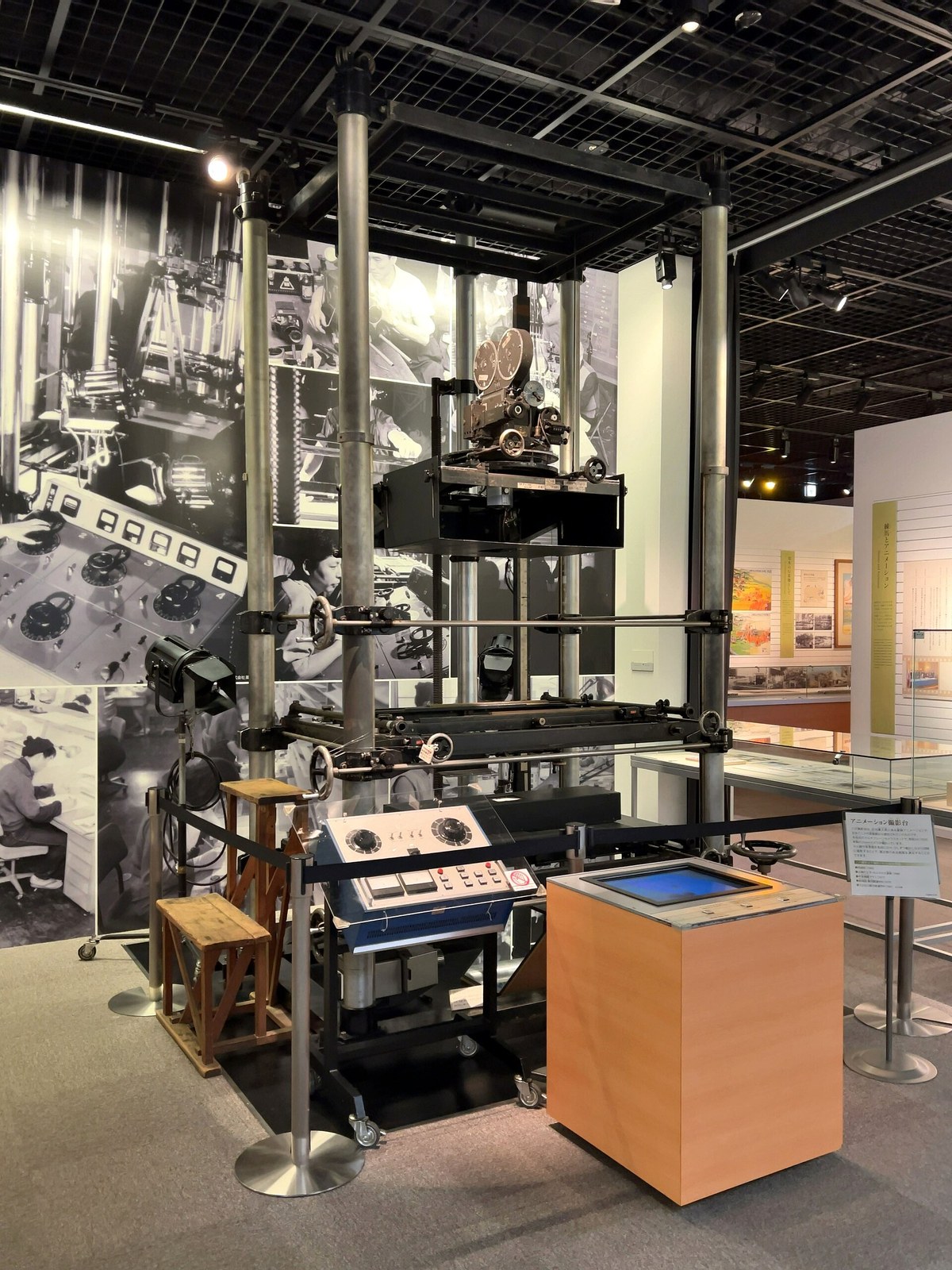
Mushi Pro's solution was limited animation: drawing fewer pictures for each second of film. According to researcher Marc Steinberg, an episode of Astro Boy used only about 1,500 to 1,800 drawings. Instead of redrawing a whole character for every image, the studio used the same drawing for many consecutive images and drew extra only for the parts that had to move. When a character talks, for example, only the mouth changes while the body and background stay still.
Who paid for each episode?
Money and rights were split three ways. The confectionery maker Meiji sponsored the series, putting character stickers in its chocolate packs and paying to tie its product to a children's show that was catching on. Fuji TV, according to ZoomJapan, bought only the broadcast rights. And Mushi Pro kept ownership of the characters, meaning only the studio could make toys and merchandise of Astro Boy, and according to ZoomJapan the loss on each episode was made up from there. This article has no figures for merchandise revenue, so that is the source's description rather than a verified number.
If that description is right, each episode was both a product and an advertisement: the studio accepted a loss on the episode to sell merchandise. When the real money sits in merchandise rather than in the price of each episode, few people have a reason to spend much on each drawing.
Was merchandise the only source of money?
Astro Boy went abroad very early. According to Animetudes, in the spring of 1963 Tezuka sold 52 episodes to NBC Enterprises for broadcast in the United States, and in total 104 English-language episodes were eventually made from the early episodes of the Japanese version. So merchandise was not the only source: there was also money from selling the show abroad, besides Fuji TV and Meiji. This article has no figure for the money from the US, so it cannot be set against the loss on each episode.
Another view: did Tezuka make the whole industry used to cheap prices?
There is a familiar story: Tezuka sold Astro Boy cheap, broadcasters got used to that price, and the whole industry suffered from then on. It is called "Tezuka's curse", the idea that the cheap sale left a low price hanging over the whole industry like a curse. The director Hayao Miyazaki, founder of Studio Ghibli, mentioned it from 1989. It sticks because it gives us one person to blame.
But not everyone agrees. An Animetudes article argues that Tezuka's pricing decision barely changed the industry's overall budgets. If that is right, the 550,000 yen price was not the cause but only shows what the market of the time paid for anime.
In OtaHub's reading, the neatest explanation lies not in one person but in a structure: the buyer pays little, the sponsor pays to attach its name, and the real money sits in merchandise sold alongside. In that structure, limited animation is hard to avoid.
Cover image: the Phoenix (Hi no Tori) statue, a Tezuka character, in front of the Osamu Tezuka Manga Museum in Takarazuka, photo by Asturio Cantabrio, CC BY-SA 4.0, via Wikimedia Commons, cropped. Sources: Wikipedia: The White Snake Enchantress · Wikipedia: Mushi Production · Wikipedia: Astro Boy (1963) · Japanese Wikipedia: Tetsuwan Atom · Animetudes: Mushi Pro and early TV anime · Animetudes: history of Mushi Pro · ZoomJapan: history of TV anime · Tofugu: anime and Western animation · Animation Obsessive: Tezuka · Animation Studies: Snow White in Japan · BFI Sight and Sound: Jonathan Clements' overview of the origins of anime. The facts in this article were cross-checked against independent sources; the BFI article was used only as an overview for the narrative. Budget and per-episode figures differ between sources.