“NB” is what Vietnamese fans call Nirvana in Girls' Frontline: the space behind OGAS, the “Keys” and the Lake of Cognition, the ideas that make the series' story hardest to follow. This article explains Nirvana in plain language and separates what the games have shown from what players are still guessing.
Spoiler warning: this article discusses plot points from Girls' Frontline and Girls' Frontline 2: Exilium openly. If you want to discover the story yourself, finish the main story first.
What is Nirvana in Girls' Frontline?
As the community generally understands it, Nirvana is a special field of space where time does not work the usual way. Picture a corridor linking many “rooms”, each room a different timeline. The timelines branch, much like the Everett many-worlds reading. Nirvana is also tightly bound to Relics, ancient technology that has since been lost.
The IOP Wiki, a fan-run reference built from in-game text, notes that Nirvana is also called the Nirvana Domain and is translated as “Zion” in some versions. The scientist Arthur Hume designated its energy field “GRCh38”.
| Topic | Details |
|---|---|
| What it is | Nirvana, a space that connects many timelines (“NB” in Vietnamese fan shorthand) |
| Other names | Nirvana Domain, Zion (some translations), “the other shore” |
| First to make contact | Arthur Hume and Mikhail Tsvigun (per the IOP Wiki) |
| Channels into it | The Summer Garden and the Lake of Cognition |
| Related ideas | OGAS, the Parapluie virus, “Keys”, Relics, the “Blessed Ones” |
| Key characters | M4, Lunasia, Dandelion, Erma, RPK-16, Ange, William |
| Where to play | Girls' Frontline 2: Exilium (global, Steam); Girls' Frontline 2: Lưu Đày (Vietnam, THS Game) |
Who reached Nirvana first, and why does Paradeus care?
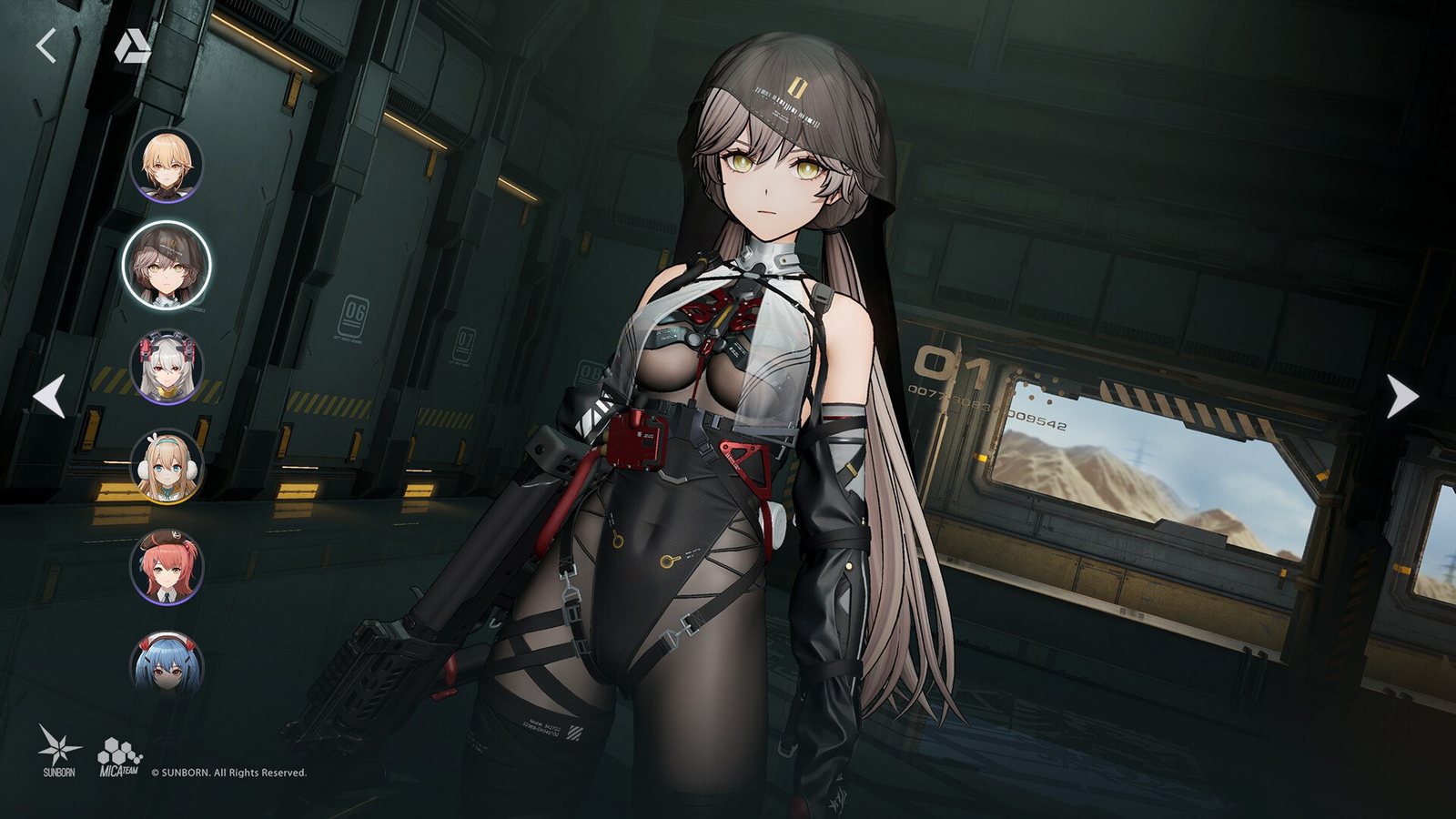
Based on current information, Nirvana was first discovered and studied by Arthur Hume together with one other person. The IOP Wiki names that person as Mikhail Tsvigun and says both stopped aging after the contact. Hume appears to have survived, then built the Summer Garden, a virtual space linking the T-Dolls he created. Erma also appears from this point, a T-Doll whose Neural Cloud is structured much like human cognition.
Hume's research spread through underground channels and was picked up by Martha Meitner, leading to the Holy Grail and Hela projects. From there a string of events involving Paradeus, Shaw, Lunasia and others revolved around Nirvana. The main chain goes like this:
- Paradeus used the Lake of Cognition, built by Meitner, to connect with Nirvana.
- Lunasia was murdered, but her cognition was placed into the Lake of Cognition.
- Shaw was assassinated before he could finish RPK-16.
- Player theory: Hume took the chance to obtain Shaw's research, finished Nadia and created a back door into the Lake of Cognition.
- In the end Hume himself, who laid the theoretical groundwork for Nirvana, was killed by Paradeus.
What it takes for a person or T-Doll to reach Nirvana
The game never lists conditions outright, but from the story players usually boil them down to three:
- A “brain” or equivalent system. For T-Dolls that means a Neural Cloud.
- Compatibility with OGAS. Nadia, Dandelion and M4 are notable cases.
- A channel into Nirvana. The Summer Garden or the Lake of Cognition, for example.
Humans have one exception: Lunasia and the Commander. Both withstand decay radiation unusually well and are called the “Blessed Ones”.
What is a “Key”, and why did they destroy themselves?
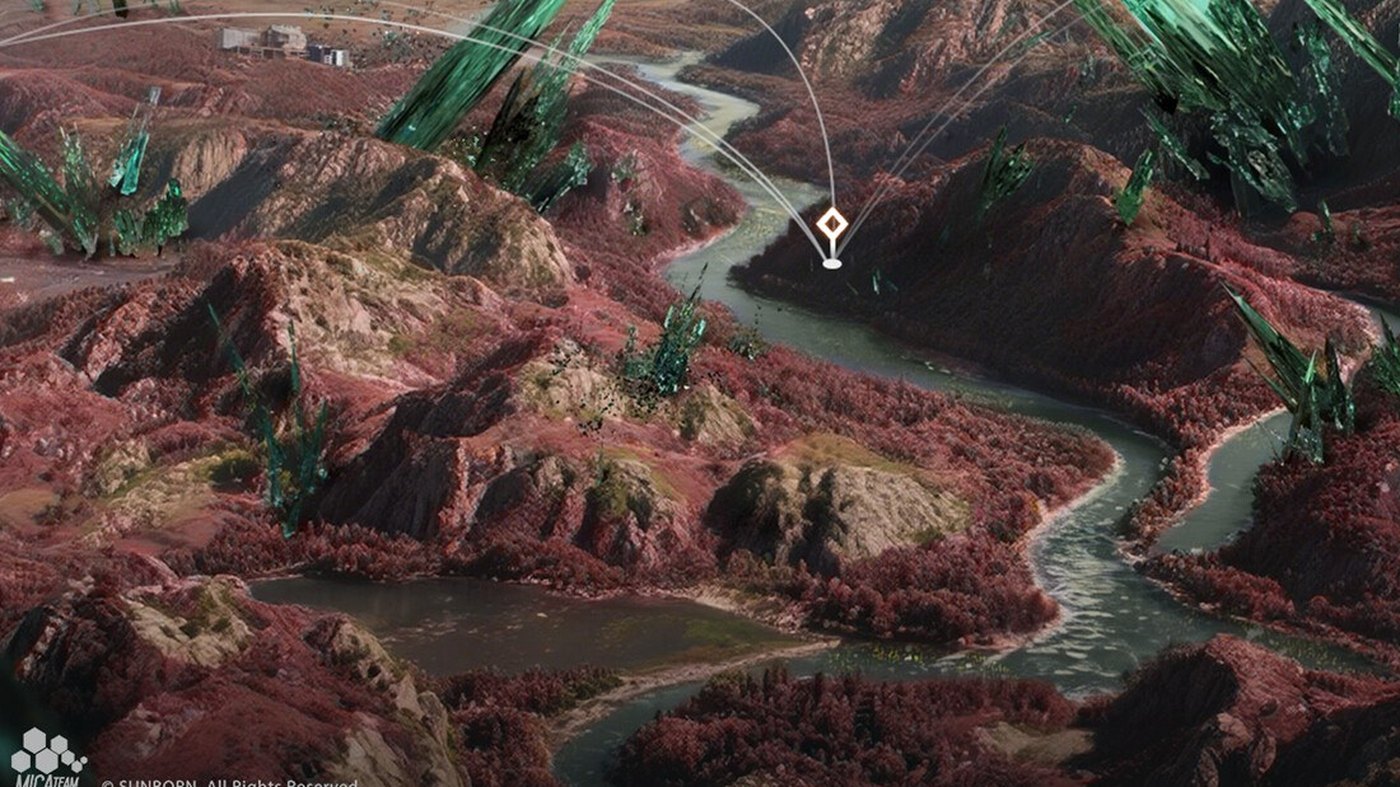
A being that meets those conditions counts as a “Key” for entering or interacting with Nirvana. As the story suggests, Keys can glimpse possible futures, affect reality, interact with Relics and influence timeline branches. That is why Nirvana sits at the center of Paradeus' plans.
William's big goal was to bring Lunasia back, so he tried to create beings who could become Keys. Part of the plan used research by Lyco and Persica to create M4 and Elisa, while Erma and RPK-16 became important pieces in connecting to Nirvana.
But once they realized Nirvana's power could be exploited, Erma, RPK-16 and Lunasia chose to destroy themselves to cut reality off from it. The reason this matters: when a branch that holds every condition for a Key is broken, another branch can become the timeline that continues. The IOP Wiki summarizes the outcome in a similar way: once every Key has died, that timeline becomes the only real one and the others are invalidated. How timeline branches work in Girls' Frontline has still not been fully explained.
How OGAS and the Parapluie virus relate to Nirvana
OGAS can be understood simply as special forms of consciousness tied to Nirvana, not an ordinary computer program. To place OGAS inside a T-Doll's Neural Cloud, William used the Parapluie virus. According to the IOP Wiki, Parapluie is only a carrier: a “seed” of OGAS source code is compressed inside it, and once it infects a host the seed runs and grows.
The name OGAS matches a Soviet weapons-management system, and the game hints that William built Parapluie from that very system. The wiki adds that the OGAS prototype was excavated from the OKB-413 Relic site in Minsk and once served to adjust the “Pike” Relic weapon. Starfish, the central OGAS node at the Paldiski submarine base, is also a bridge into Nirvana. The exact origin of Parapluie and how OGAS formed still has gaps.
The “gods” and “Mother” inside Nirvana
The story mentions beings called “gods” inside Nirvana. The OGAS call one of them “Mother”, while Dandelion uses the pronoun “her” when speaking of that entity. That suggests Nirvana is not just a data store or a container of timelines. There seem to be entities there with a level of awareness far beyond that of humans and today's T-Dolls. Their nature has not been explained, so any conclusion for now is speculation.
Where Relics fit into the story
Relics are technology from ancient times that has been lost. They can be an area, a tool, a technological system or a special form of energy. Nirvana is closely tied to this technology, so reaching it matters to many factions, from Paradeus to those who want it sealed.
Dandelion, Lunasia and M4: what is still theory
After splitting from M4 and Lunasia, Dandelion gained a deeper awareness of Nirvana. Players therefore guess she may perceive possible futures and sense the different outcomes of each timeline branch, far beyond an ordinary Neural Cloud. The game has not confirmed this directly; it rests only on Dandelion's actions.
Lunasia is more complicated. As shown, she destroyed herself after losing a bet with M4, leading to the events of the first part of the story. Even so, there are signs her cognition did not vanish entirely and may persist alongside M4 and many Nytos in Nirvana. The IOP Wiki goes further, describing Lunasia today as a gestalt mind inside Nirvana that includes M4A1, Elisa, OGAS consciousnesses such as Dandelion and most Nytos. This is still an interpretation from fan pages, not a confirmation from the developer.
Erma, RPK-16 and Ange: three different fates
RPK-16 and Ange resemble M4 and Lunasia in that their cognition is tied to systems and spaces linked to Nirvana, yet each ended up differently. Ange's cognition seems to be held in the Lake of Cognition. RPK-16, after the events involving AK-12, appears to have been erased completely, though how complete that is remains unknown because no document describes her state afterwards.
Erma is harder to read. It is unclear how the way Erma destroyed the Keys affected her own Neural Cloud. What is certain is that she destroyed the Summer Garden and the Lake of Cognition, cutting key channels into Nirvana. That leaves two possibilities: Erma is trapped forever in a state she cannot return from, or her cognition dissolved along with the system she destroyed.
Why “Nirvana”? The other shore and Zion
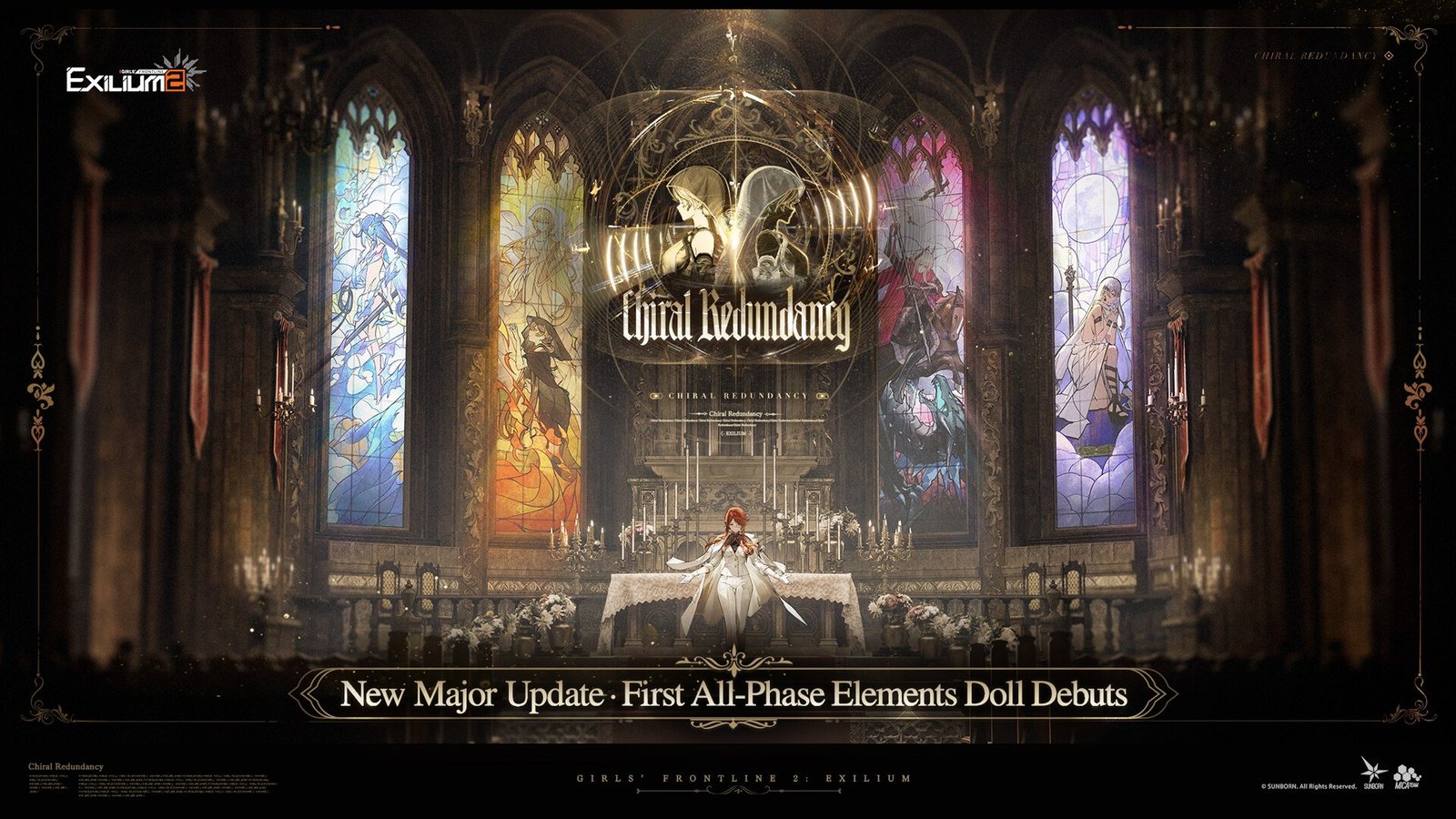
The name carries clear religious and philosophical overtones. In Buddhism, Nirvana is release from the cycle of birth and death and from suffering, often pictured as “the other shore”. Girls' Frontline uses the idea differently: people with special abilities tied to Nirvana are called by a term close to “the blessed”. In Buddhist thought liberation is not a privilege of a chosen group, whereas in the way the game builds Nirvana only beings that meet certain conditions can reach it.
The name Zion in the game may also have several layers. One association is Mount Zion, a major place in the Abrahamic traditions. Set next to the image of “the other shore”, Zion can be read as a promised destination, where people head after trials. Both readings should be treated as interpretation unless the story confirms them directly.
OtaHub's take
The most useful thing about this explanation is that it turns Nirvana from a vague word into a map with a start and an end: Hume opens the road, Paradeus exploits it, the Keys are destroyed to close it. For someone new to Girls' Frontline 2, that is enough to follow the dialogue without opening a wiki every five minutes.
Treat it as a map, not a law, though. The original author states plainly that much of it is interpretation and may be wrong, and the game has still not said outright how timeline branches work. OtaHub leans toward reading Nirvana as a storytelling device: it lets the series kill characters who are still “somewhere”, as with Lunasia and M4. If that is right, the questions about Dandelion or “Mother” will be answered by later story updates rather than by deduction. Until then, trust what the Commander actually sees in the game over any diagram.
Where to play Girls' Frontline 2
Girls' Frontline 2: Exilium by Sunborn is free on Steam (since February 10, 2025) and on mobile. Players in Vietnam have a separate version, Girls' Frontline 2: Lưu Đày, published by THS Game from 10:00 on August 27, 2026 on PC, iOS and Android with Vietnamese language support. See also our in-depth review, beginner's guide and Vietnam launch report.
Nirvana in Girls' Frontline FAQ
What is Nirvana in Girls' Frontline?
Nirvana (shortened to “NB” by Vietnamese fans) is a special space tied to Relic technology, where time does not behave normally and many timelines are connected. Only beings that meet certain conditions, called “Keys”, can connect to it.
Is OGAS the same thing as Nirvana?
No. Nirvana is the space, while OGAS is a special form of consciousness linked to it. William used the Parapluie virus to place OGAS inside T-Doll Neural Clouds, which is why M4, Dandelion and Nadia sit where the two meet.
What is a “Key” in Girls' Frontline?
A being with a brain or equivalent system, compatibility with OGAS and a channel into Nirvana. Keys can glimpse possible futures and affect reality and timeline branches. Erma, RPK-16 and Lunasia destroyed themselves to cut that connection.
Do I need to play the first game before reading about Nirvana?
Not to play Girls' Frontline 2: Exilium, because its opening recaps the setting. This article does spoil plot points from both games, though, so play first if you want to discover the story yourself.
Is Nirvana in Girls' Frontline the Buddhist Nirvana?
The name is borrowed from Buddhism, but the game uses it in its own way. In Buddhism liberation is not reserved for a chosen few, while in Girls' Frontline only certain beings can reach Nirvana.
Sources: the post “Simplified: NB in Girls' Frontline” by member Nguyễn Quang Anh Minh in the Girls' Frontline 2: Lưu Đày - Việt Nam Official Group (posted late September 2026), the IOP Wiki: Nirvana page and the Steam page of Girls' Frontline 2: Exilium. Images belong to Sunborn / Darkwinter Software and are used for informational purposes. Interpretations may change as the game updates its story. Information checked on October 3, 2026.