In-depth · Design & Craft · No spoilers
Girls’ Frontline 2: Exilium lets some characters fire support shots when allies attack, so a turn can deal more damage when you choose a suitable team and target.
In Girls’ Frontline 2, you move characters and use their skills in turn. Your biggest damage dealer does not always need to act first. Sometimes an ally can break an enemy’s protection before you use the stronger attack. That makes it useful to consider what the team can accomplish together, rather than always selecting the largest damage number.
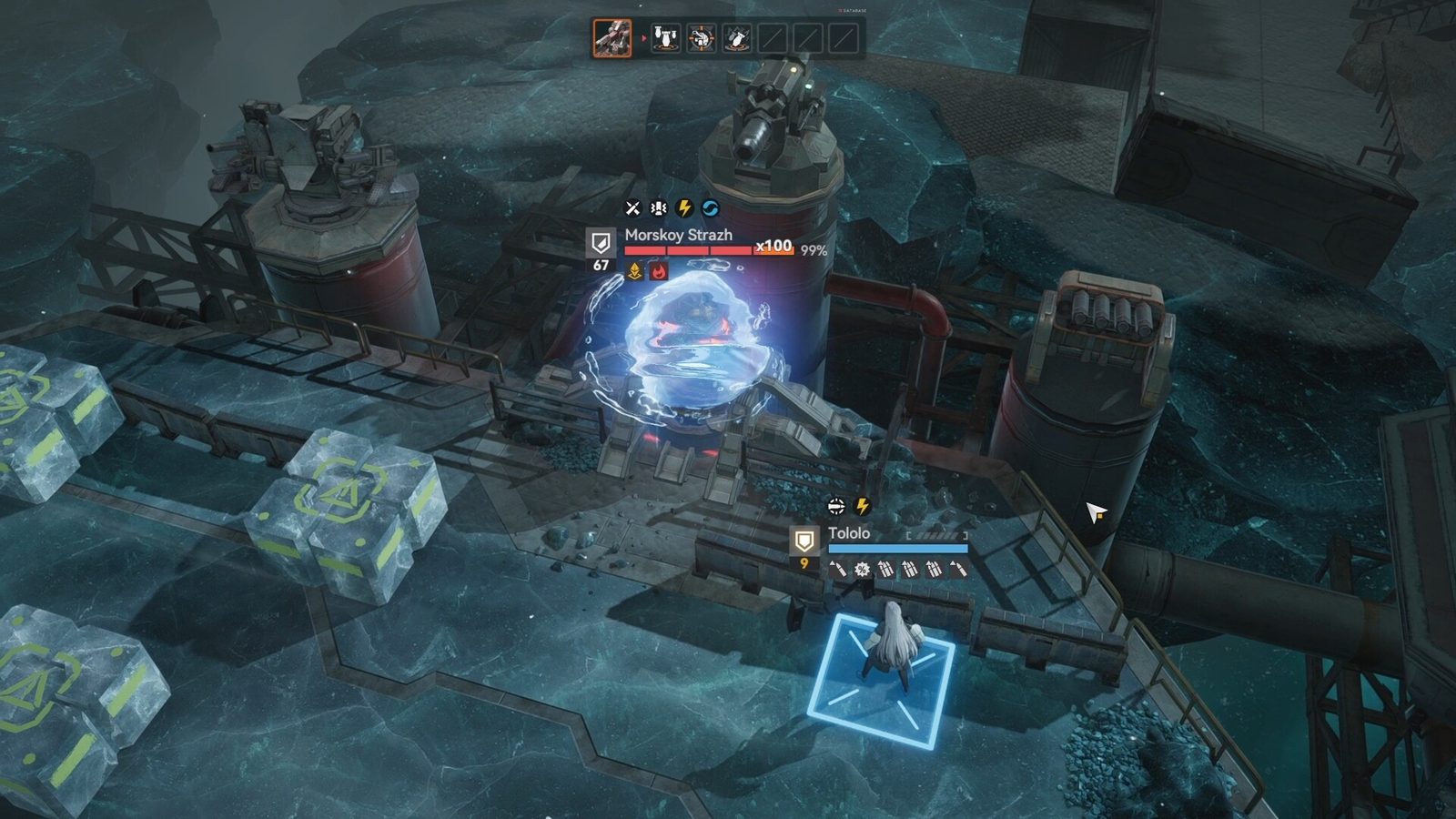
These interactions are worth exploring. Qiongjiu can fire when allies attack, while Tololo can gain an extra action. Making use of their skills requires suitable positions and an understanding of their triggers. A collection of rare characters can still work poorly together if they cannot support one another.
Breaking Stability gives you a reason to change who attacks first
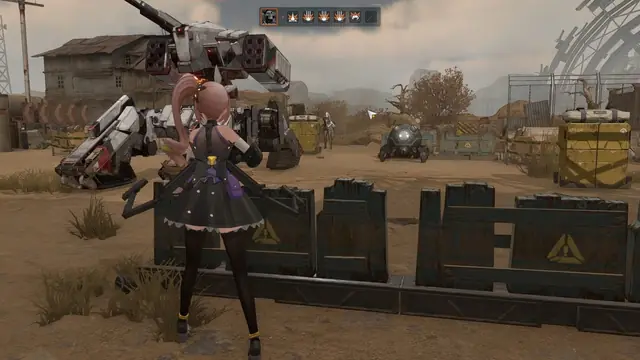
Cover protects from a direction, while Stability adds protection when a unit uses cover. At zero Stability, that additional protection disappears, but cover can still reduce damage. The two systems are related without being identical. IOP Wiki’s combat documentation explains this distinction.
Two characters attacking the same enemy can have different jobs. The first breaks its protection, while the next deals damage after that protection is weakened. The opening character might contribute less direct damage, yet help your carry hit harder. That gives you a practical reason to consider attack order.
For example, an enemy is behind cover with Stability remaining. You have a skill that deals substantial Stability damage and a powerful attack waiting. Before spending that attack, check whether the other skill can break Stability first. Your carry could then hit after that protection disappears. This illustrates an action order rather than prescribing one skill for every team.
Even after breaking Stability, look at the cover’s position. If it remains between the attacker and the target, it can still reduce damage. Moving to attack from another direction is therefore another option to consider. Breaking Stability and choosing an attack direction complement one another, rather than the first making the second irrelevant.
Position Qiongjiu to support allied attacks
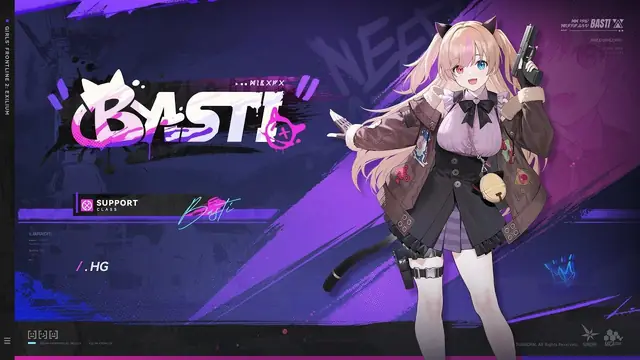
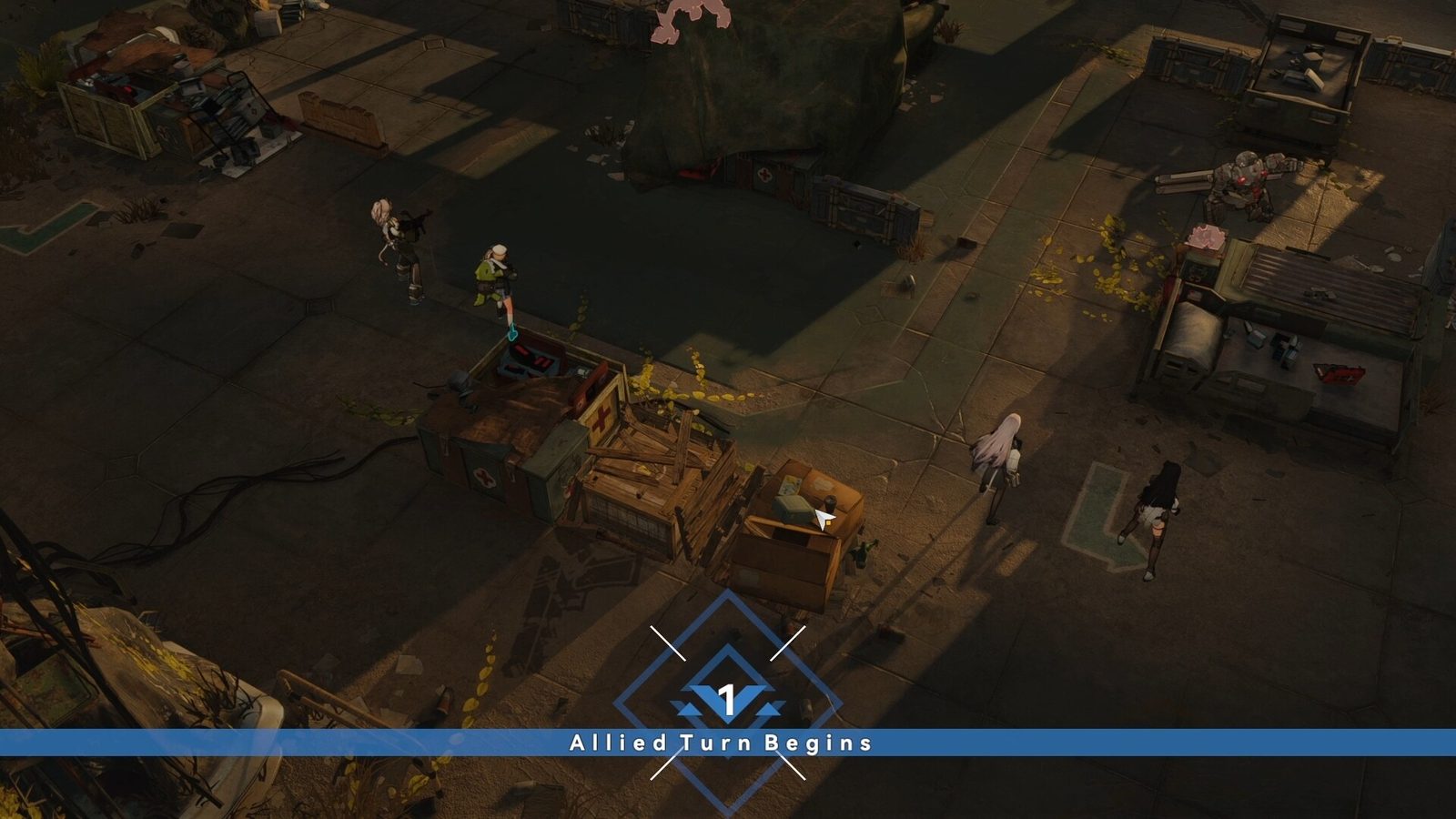
Qiongjiu’s passive Steady Plan triggers support fire when an ally uses a targeted attack against an enemy within her range. Activations are limited per turn, so check the description for your character. She does not automatically add a shot to every action just by being on the team.
Imagine you want two allies to attack an enemy with additional fire from Qiongjiu. First position her within range of that target. Then choose attacks that meet Steady Plan’s conditions. If the target is outside her range, she cannot support those attacks even though the allies still deal their normal damage.
An ally can therefore contribute more than the damage listed on their own skill. Their attack can also let Qiongjiu fire. When choosing her teammates, check their skills and whether they can reach the same target. Comparing only rarity or attack stats would miss this interaction.
The tradeoff is that limits and conditions must be understood. A team that looks compatible on paper may not perform as expected if its targets, positions or skills do not line up. Explaining why a composition works is therefore more useful than copying its names.
What can Tololo do with another action?
Tololo’s passive Aurora Curtain interacts with Confectance Index, a skill resource. Under the required conditions, she consumes that resource to gain an extra action after attacking. This expands a turn differently from Qiongjiu’s support fire.
When Tololo gains another action, you can keep attacking a wounded target or deal with a different enemy. That choice depends on who needs to fall first and which teammates still have actions left. The extra action does more than increase damage. It lets you adjust your plan after the first attack.
Both examples show why “this character is strong” needs conditions. Strength can come from an ally interaction, a skill resource or an upgrade that has not been unlocked. A beginner should understand which character state is being discussed before adopting an endgame composition as a goal for a fresh account.
Check upgrades before copying a team
T-Doll progression has several layers, including levels, Neural Helix and upgrades from duplicates. The same character name does not necessarily represent the same capabilities on every account.
For example, a team guide may rely on a skill upgraded through character duplicates. Without that upgrade, your account lacks an effect the guide assumes. Check the required upgrades as well as the four names. That tells you whether the team works now or needs further investment.
GFL2 is free to play with in-app purchases, as its Steam page states. Team building therefore involves the characters you own and the investment you can make, as well as the skills you want to combine. This does not establish that payment is necessary to play. It does establish why advice should fit an actual roster.
A practical starting point is a team that functions now, followed by a clear explanation of what the next upgrade would add. Without a job for the next slot, further recruitment may merely lengthen the roster. OtaHub’s beginner guide turns this question into steps for choosing a team.
Automatic combat is a fair counterpoint to praise for tactics
Automatic combat lets the game control the team for you. If your roster handles a familiar stage reliably, it reduces repetitive inputs. That can help players who want to finish routine encounters and move on. You do not necessarily need to direct every action in a stage you already understand.
There is a counterpoint. If someone mainly automates the content they play, the skill-order decisions discussed here will occupy less of their actual time. The appeal may instead lie in preparing and upgrading teams, rather than directing individual turns.
Those are different ways to engage. Players who enjoy adjusting actions may care most about encounters requiring intervention. Players who enjoy roster progression may find automation helpful. The useful question is what participation your preferred content asks of you, rather than whether every battle demands careful thought.
The takeaway for a team you can explain
GFL2 gives you ways to help the whole team by choosing who attacks first. One character breaks Stability, another attacks after that protection is removed, and Qiongjiu can add fire when her conditions are met. Team selection therefore affects the decisions you make during battle.
If you enjoy direct control, try whether planning attack order and adjusting positions interests you. If you prefer automatic combat, focus on whether your team has enough damage, healing and protection. Both approaches benefit from understanding what your roster can do, rather than simply copying a list of strong names.
Sources. IOP Wiki’s combat documentation, Qiongjiu skills, Tololo skills and T-Doll upgrades, plus the game’s Steam page. This analysis uses skill and mechanics descriptions recorded by the community resource IOP Wiki, checked October 14, 2026. Check skill conditions against your client version.
Updated October 14, 2026. This article has been rewritten as an unrated design analysis. OtaHub withdrew the previous overall and criterion scores because there was insufficient evidence to assess all six criteria.