The most satisfying turns in Honkai: Star Rail, HoYoverse’s turn-based RPG, begin before a character attacks. You choose who spends the party’s shared Skill Points, which power the strong abilities, and who uses a basic attack to save points for teammates. Your four characters have to work as a team, not just stand side by side dealing damage.
Wanting a better party is one reason to keep riding the Astral Express, the train that carries the main character from world to world. Every stop brings a new story to follow, and puzzles and side activities break up the battles. In my view the trip is worth the time, though developing a new character takes patience and some conversations run long.
A party needs more than damage
Characters act in turns, and the whole party shares one pool of Skill Points. Basic attacks refill the pool, while many Skills (the stronger abilities, such as big heals or heavy damage) spend it. So putting all your favourite characters on one team does not guarantee a good one. If everyone wants to cast a Skill, someone has to settle for a basic attack at the moment you need healing or damage from them.
Enemy weaknesses make preparation matter. Each enemy is weak to a few elements, such as Fire or Ice. Hit that element and you deal damage and also drain the enemy’s Toughness bar. When the bar empties, the enemy suffers a Weakness Break and picks up an effect tied to the element, like burning or freezing. Toughness is a separate bar, not a shield that absorbs damage. Knowing that tells you when breaking an enemy is worth more than chasing the biggest damage number.
Ultimates, each character’s strongest move, add another decision. Once charged, an Ultimate can be used even outside that character’s own turn. You can hold one for an emergency or a moment to stack damage, instead of firing it the instant the button lights up. I like that the game asks for judgement rather than quick reflexes. Easy fights can go on auto, but manual control is more fun when a battle needs careful decisions.
Changing a party is the less pleasant part. A character who fits your plan still needs levels, upgraded abilities and gear before facing hard fights. Testing a new combination can therefore mean another round of material farming. The combat is deep enough to make you want to experiment, but the upgrade economy sometimes can’t keep up with that curiosity.
Simulated Universe runs show what I like most about the combat. Each run takes you through a string of battles, and along the way you pick Blessings, which are temporary boosts for your party. When the Blessings fit the team, I had runs that went smoothly all the way through the boss. Other runs ended before the final fight. That gap gives each choice on the route some weight, instead of every attempt repeating the same moves.
Exploration is different. Areas have set paths and boundaries. You follow branching routes, look for items and solve puzzles inside them, but you can’t climb every structure in sight. That suits the quest-driven pace. If you hope to wander freely for hours, though, the scenery may not make up for the limits on movement.
The story gives you reasons to stay aboard
The opening at Herta Space Station, a research station in space, drops the Trailblazer, the main character, into trouble around a Stellaron, a mysterious object that tends to bring disaster. Then the Astral Express carries the story onward. The premise suits a long-running RPG: each stop brings a new problem, and the travelling party keeps the larger journey connected. I wanted to see where the train would go next, not just chase quest rewards.
Jarilo-VI, the first stop, is an example. You step into the lives and conflicts of the people who live there, so the trip feels more specific than a map full of enemies. Conversations with your companions keep the journey from feeling distant, and the writing leaves room for jokes beside the serious parts. Following the characters is part of the appeal.
The amount of dialogue can still be tiring. Some side quests explain things for too long before you get back to exploring or fighting. I liked the journey enough to finish the available story, but not every conversation needs to run that long.
Distinct destinations and expressive characters
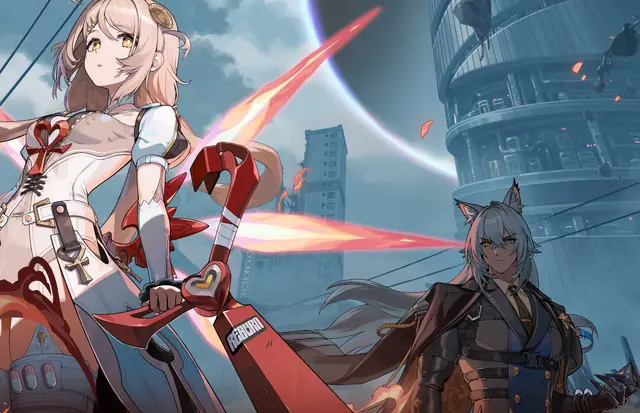
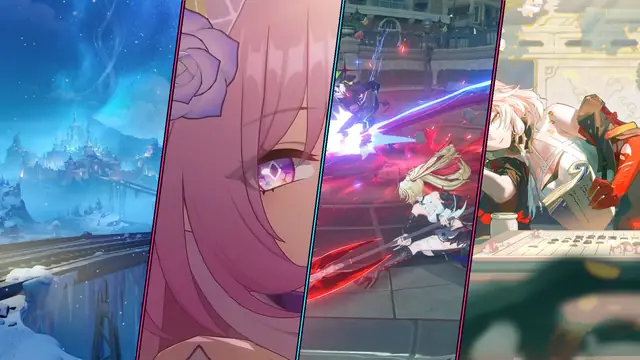
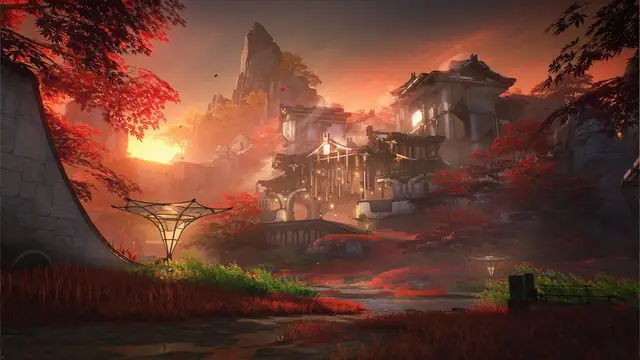
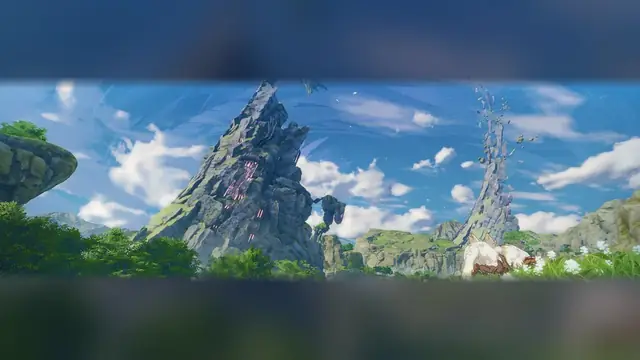
The visuals were pleasant throughout. Character designs follow a recognisable anime style, and each Ultimate animation has its own space to show off the character. The first two areas also look clearly different: Herta Space Station is a station in space, while Jarilo-VI is an inhabited planet with its own architecture, colours and mood. Changing destination really feels like going somewhere else.
Sound that holds up over a long adventure
The audio does a good job of accompanying the adventure. Music follows you while you explore, and effects and character voices make battles feel less like picking commands from a menu. I found the overall sound enjoyable and a good match for the visuals.
Voiced scenes give your companions more presence. Together with the music and attack effects, they tie exploring, reading and fighting into one mood. On PC the sound was pleasant and good enough to listen to for a whole session.
PC performance stayed smooth
On the PC I used, the game ran smoothly and stayed stable. I saw no lag or stuttering heavy enough to interrupt the story or battle choices. The game keeps switching between reading dialogue, crossing areas and fighting, so that stability counts.
This applies only to my PC playthrough. Your machine may differ, so check the official system requirements and try settings that suit your hardware before you download more data or commit for the long term. The game is free, so you can test performance in the opening hours. A resolution and graphics preset your PC can handle matters more than the highest settings.
Worth it, provided you set your own pace
The free download makes it easy to decide whether to start. If you like turn-based combat, you can try the story and the starting characters before thinking about spending money. Puzzles in the exploration areas and Simulated Universe runs also give you something to do besides following one quest marker after another.
The costs worth weighing are the time spent upgrading a roster and the pull of getting more characters. Warps (the game’s gacha pulls, which use in-game currency to draw characters at random) do not guarantee the character you want, and each new character brings more upgrades. I found it disappointing to want a different party and end up back at material farming. Repeatable activities are convenient, but not always as fun as a fresh story quest.
So the game is most worthwhile when you play at your own pace. Build one working party first and expand when you have the resources. If you treat every recurring reward as an obligation, the adventure starts to feel like a work schedule. More content only adds value while you still enjoy the time you spend on it.
Honkai: Star Rail has Vietnamese interface text and subtitles. You can download the PC version from HoYoverse’s official site and play for free, with in-app purchases as a separate choice. Set a spending limit before you use the Warp system and read its in-game details. Don’t buy out of fear of missing a character when your current party already handles the content you enjoy.
A journey worth making time for
Honkai: Star Rail works because its party battles and travelling cast give each other a reason to matter. Planning a useful sequence of actions is satisfying, and the next destination provides something beyond another set of upgrade materials to look forward to. Its visuals, sound and smooth PC performance support that adventure well.
The time needed to develop another character and the length of some conversations remain the main reservations. Players who enjoy turn-based combat and can build a roster gradually have a good reason to try it. The journey is most enjoyable when its recurring rewards fit around the way you want to play.
OtaHub score
A journey worth continuing
Worth playing for anyone who enjoys party building and a lengthy adventure. Battles offer meaningful choices, but developing a roster takes patience and the dialogue can run long.
OtaHub recommendation: Worth playing.
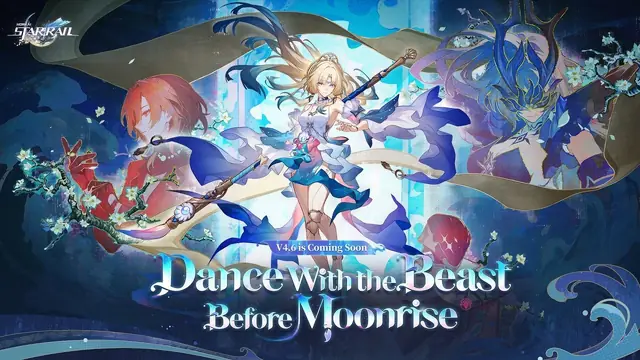
Review scope: PC. The writer completed the story available in version 4.6, “Dance With the Beast Before Moonrise”. This does not cover later story updates. Images: HoYoverse.
Information and author material: HoYoverse, Epic Games Store, the previous article supplied by the author. Images: HoYoverse.