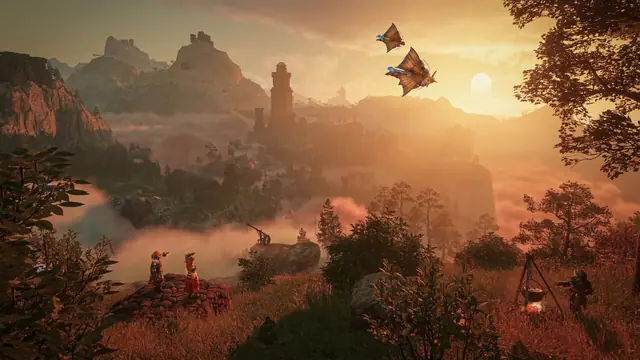
Game Dev Story begins with a small office and the ambition to make a game people will recognise. You hire staff, choose projects and send products into the market. Those tasks could sound dry, but Kairosoft turns the result of each release into a reason to start another one.
Rising revenue was only part of what kept me interested. I named my company ANBU studio and made games called Ninja School. That gave magazine scores and awards a personal connection. They belonged to products I had named, made by a company I wanted to improve over successive playthroughs.
Each release is a chance to do better
Game Dev Story reduces studio management to understandable decisions. Staff have separate programming, scenario, graphics and sound abilities. You assign people, combine genres with themes and follow a project through to release. You do not need professional development knowledge to see what your team does well and where there is room to improve.
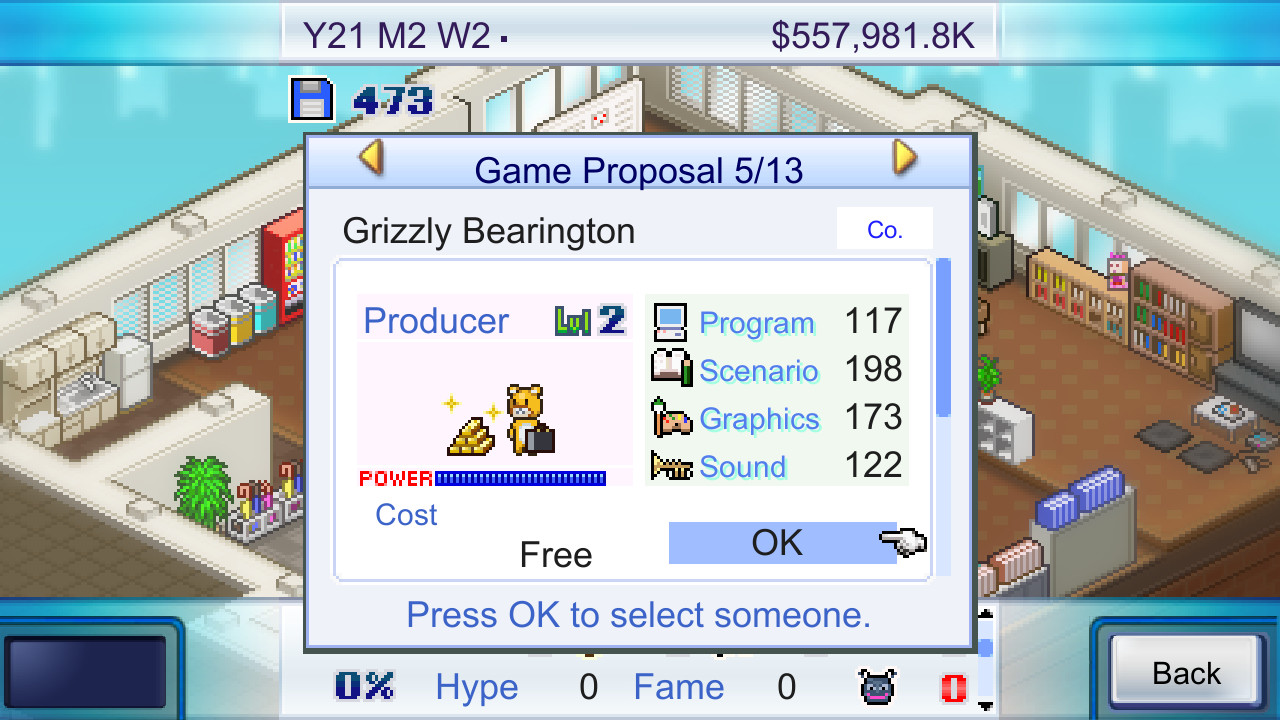
For example, the employee in the project-assignment screenshot has 198 scenario skill but only 117 programming. Seeing those figures together gives selection a basis beyond choosing a name at random. The game creates a sense of management without immediately overwhelming the player with a large set of spreadsheets.
As employees develop, the range of genres and content expands. Career changes and the ability to develop your own console give staff development a purpose beyond finishing the current project. Producing games and building a team become connected ambitions, with each helping the studio move forward.
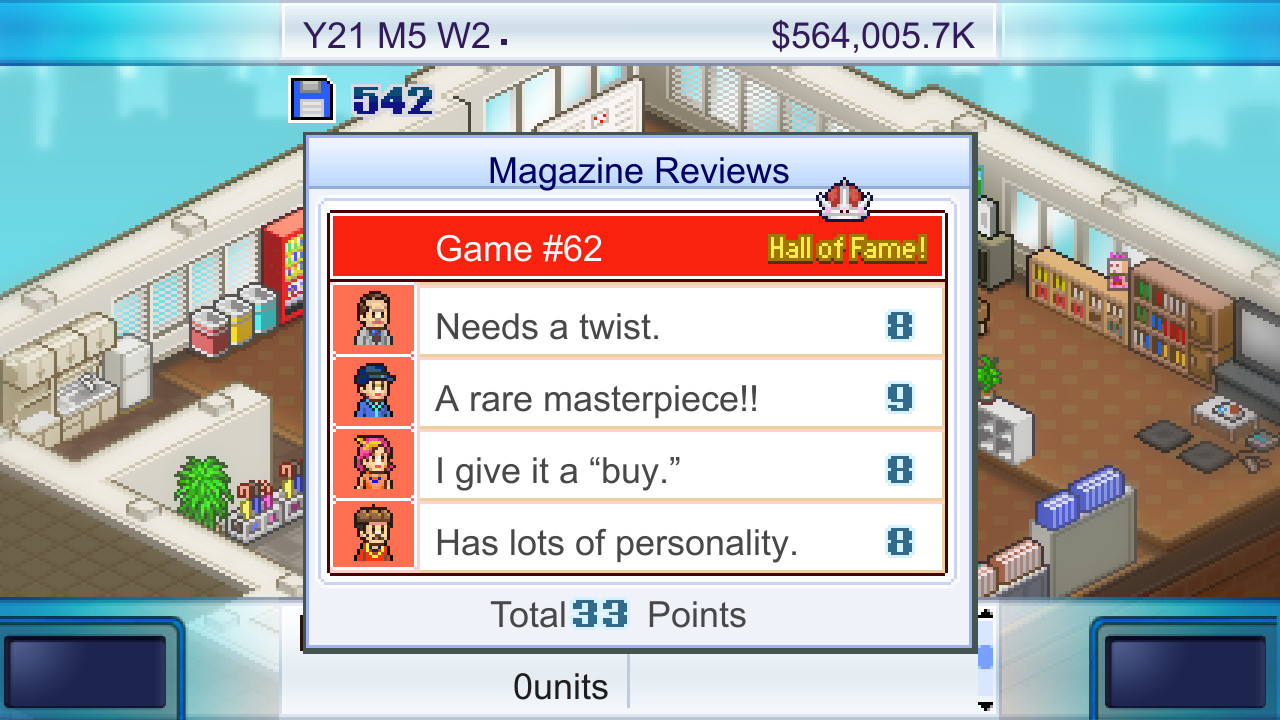
Seeing a release evaluated is another part of the appeal. Four magazine scores produce an easily understood result, while Hall of Fame recognition gives you a clear target. Naming a product yourself makes waiting for its reception feel like the reward for the decisions that came before it.
This appeal explains why I returned for several runs even though the basic actions stayed familiar. An earlier attempt leaves a record to beat, and a fresh start offers another chance to improve it. I did not need a completely different story every time. The prospect of better results was enough to make the small office inviting again.
The story belongs to the studio you build
Game Dev Story does not offer an extended narrative with characters developed across chapters. Its main progression follows a company growing from a modest office into a studio with recognised products. How much that journey matters depends on whether you care about what you are building.
ANBU studio and Ninja School gave me that connection. A name I chose made each product feel less anonymous. That still does not replace a developed script with characters and dramatic events. Players looking primarily for a story told to them will find this aspect thinner than the management systems.
My runs to the twenty-year milestone took approximately six to eight hours. That is a score-summary milestone, and play can continue afterwards. My feeling that the journey was a little short comes from reaching that point and wanting more development to pursue. I would have liked a longer company-building journey before turning to self-imposed goals for what followed.
A readable pixel office with personality
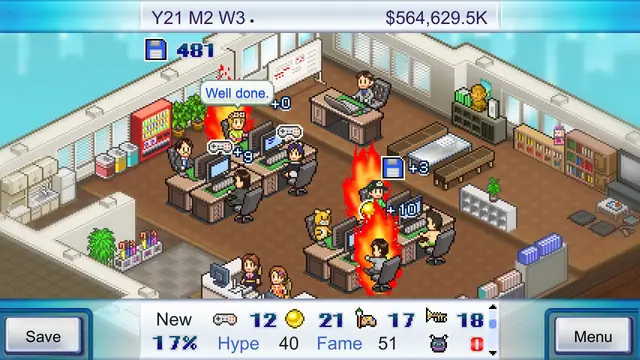
The visuals are one of my favourite parts. The office is viewed from above, populated by small, blocky employees. That simple presentation suits a game that repeatedly shifts attention between staff, projects and business results. Having the workplace visible behind menus also gives the numbers a tangible setting.
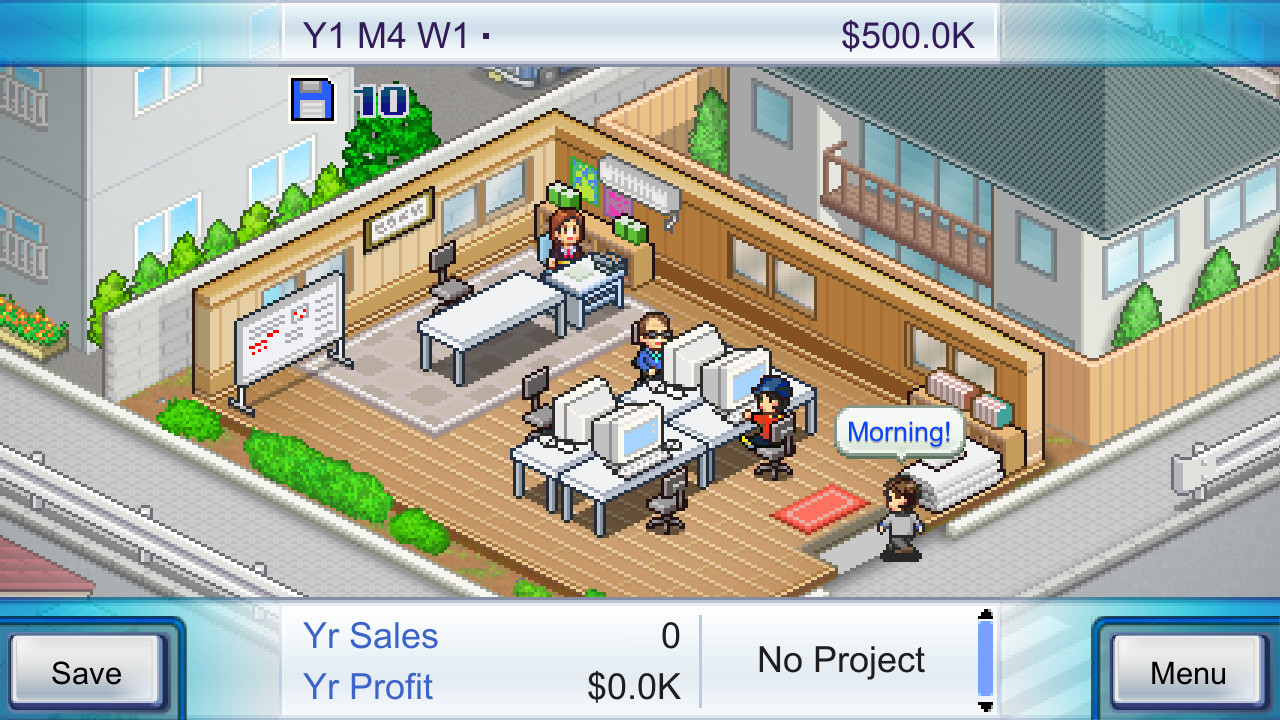
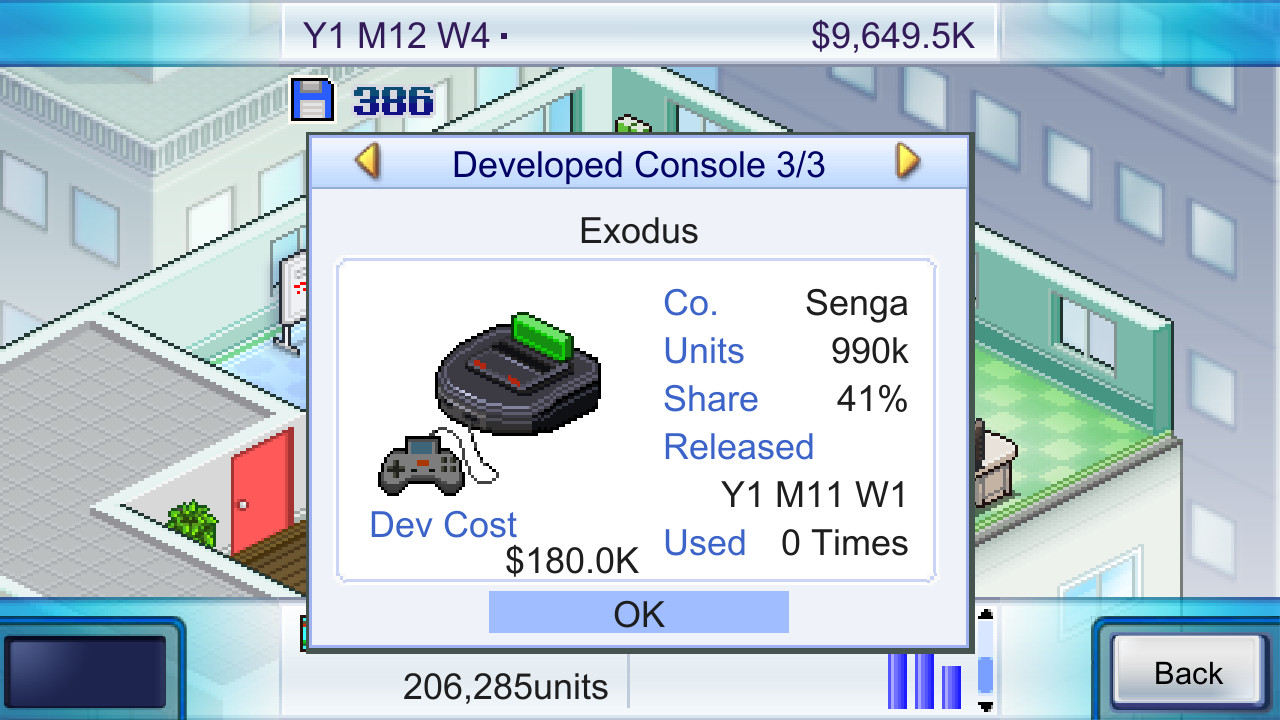
The interface uses clear labels and figures. Staff selection places four abilities together for comparison, while the console information screen puts unit sales beside market share. Readability matters in management games because information helps only when you can understand it before making your next decision.
Names such as Senga and Exodus add a playful connection to the real industry. They give the setting a sense of humour alongside its business decisions. I like that combination of charm and clarity. The visual appeal comes from a consistent presentation that fits the game’s scale and pace.
Smooth on Mi 8, with less memorable music
Sound made a more modest impression. The background music repeats often, and I muted the game for most of my playtime. Music was therefore not what drew me back. That motivation came chiefly from the studio’s work and the results of each release.
Muting did not interrupt my management decisions because the information I needed remained available through text, numbers and result screens. Even so, audio did not have the same appeal as the visuals or the management loop. That was a clear limitation alongside the somewhat short company-building journey.
My experience on Xiaomi Mi 8 was very smooth. That matters in a game built around menus and following projects through development. This observation applies to the Android version on the device I used. I did not record frame-rate measurements, so the technical assessment reflects the smoothness I experienced during those runs.
Value depends on wanting another run
I bought the Android version for approximately 199,000 đồng. That is my purchase price, and current pricing should be checked directly on Google Play. With this paid version, I did not have to pay again to continue subsequent runs. Returning to chase a record was simply a question of whether I wanted to spend more time building a company.
Six to eight hours to the score summary does not describe its whole value. If you stop after one run, the journey may feel shorter than you hoped, as it did for me. If you enjoy using a familiar system to improve your results, later attempts have their own appeal. That is why Game Dev Story remained worth the purchase for me after my first run.
The important consideration is how much you enjoy setting your own goals. Better products, a stronger studio and higher records provided mine. If those ambitions do not interest you, starting over is unlikely to mean as much. Replayability is a clear strength in my experience, rather than a promise that every player will want several runs.
Verdict
Game Dev Story makes a small studio feel like somewhere worth returning to. Understandable decisions, clear results and the freedom to name products give its management a personal connection. Charming pixel art and smooth performance on Mi 8 helped sustain that enjoyment.
The music is less compelling, and the journey to the score milestone felt a little short for my taste. Even so, it is worth buying for players who enjoy management simulations and find satisfaction in improving their results. Its greatest appeal is watching a company bearing your own name do better with each attempt.
The total is the weighted average of the six game criteria; editors may adjust it by up to ±0.2. See our review standards.
OtaHub recommendation: Worth buying
Review scope: the paid Android version from Google Play, played on Xiaomi Mi 8 across several runs to the twenty-year milestone, taking approximately six to eight hours per run. The exact version number was not recorded. Illustrations are official screenshots from the Steam version.
Sources for factual details and images: Game Dev Story on Google Play, Game Dev Story on Steam. Checked October 16, 2026.