In Kingdom Come: Deliverance II, preparing for a conversation can matter as much as preparing for a fight. Henry needs appropriate clothes, enough energy and sometimes a more convincing argument to stay out of trouble. These everyday concerns made me want to understand the game’s world, because they have a real effect on the choices available later.
Warhorse Studios continues the historical role-playing approach of the first game while making several routines more convenient and delivering a more engaging story. It still expects patience, particularly when Henry is inexperienced or a confrontation becomes difficult to manage. Learning those systems pays off through a growing understanding of a world the character has to live in, rather than merely travel through collecting quests.
Henry’s story works through the people involved
The story is one of the strongest reasons I wanted to follow Henry to the end. It continues his journey in fifteenth-century Bohemia, but its appeal also rests on his relationships with Hans Capon and the people they meet. Political struggles become more engaging when I care about the people caught within them.
Recaps and the in-game codex help newcomers understand earlier events, people and places. This remains a continuation of the same character, so playing the original first adds context to Henry’s relationships. The sequel nevertheless provides enough guidance to avoid leaving new players behind immediately.
The presentation of dialogue contributes greatly to its tension. Characters do more than take turns explaining information. Pauses, looks and reactions give an exchange weight, letting you understand what someone fears or is prepared to sacrifice. OtaHub likes that the game gives these conversations room to develop.
The overall progression remains engaging, with humour providing relief from the more serious moments. Some main quests do run through extended scripted sequences, however. They can temporarily pull against the freedom of the surrounding world when you would rather return to exploring on your own.
Role-playing through Henry’s everyday life
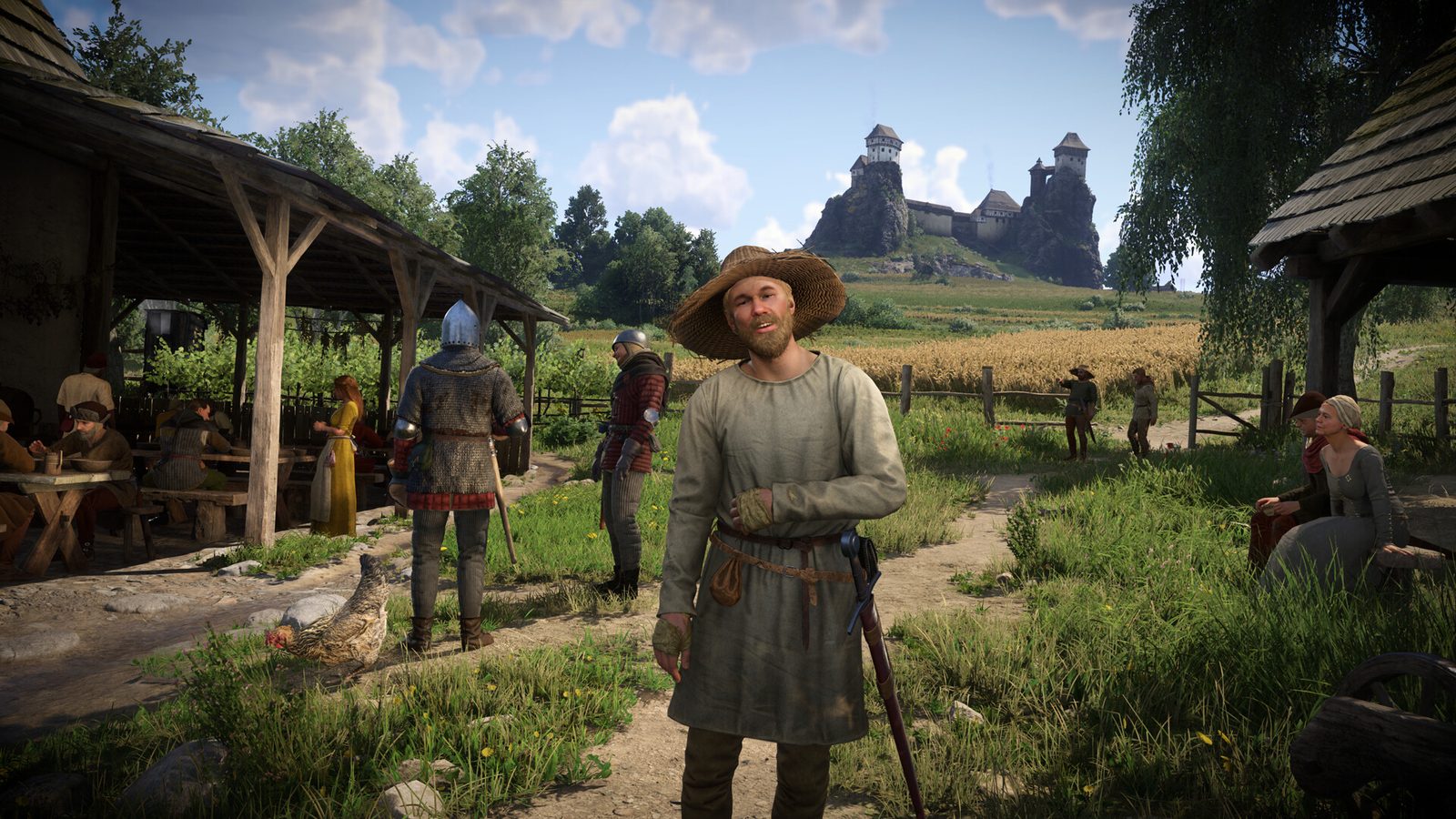
What OtaHub likes about Kingdom Come: Deliverance 2 is how many situations ask for resourcefulness rather than another fight. Henry’s energy, food, equipment and conversations all contribute to what he can accomplish. Preparing for a journey matters because those ordinary concerns remain relevant once he leaves town.
Skills improve through use, giving progress a natural connection to the activities you choose. Henry becomes more capable as he practises rather than instantly mastering everything. The ability to switch between three clothing loadouts is particularly useful, making it easier to prepare for combat, conversation and stealth without repeatedly replacing individual items.
Some skills have also been grouped more sensibly. Pickpocketing and lockpicking now contribute to Thievery, while gathering herbs and hunting sit within Survival. These changes preserve improvement through practice while making progression easier to manage.
These connections are the strongest part of the role-playing. Clean clothing can help in conversation, while suitable equipment offers confidence when a fight cannot be avoided. OtaHub appreciates that flexibility, although the slow opening and number of systems to learn can be demanding for players who want immediate action.
Combat still asks for patience
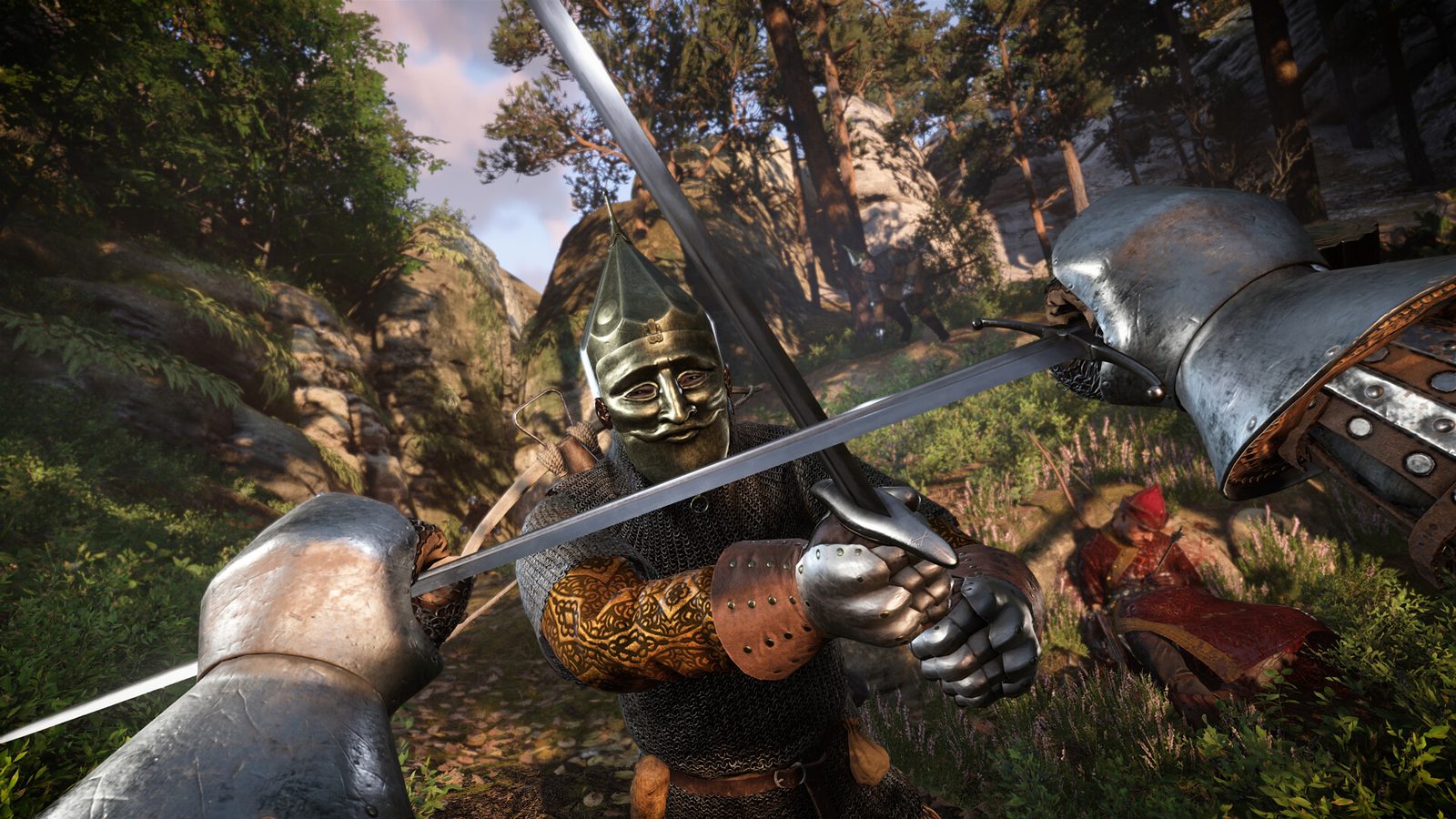
First-person combat still requires patience. You need to read attacks, preserve stamina and find opportunities to respond, while being surrounded makes an encounter much more dangerous. That tension suits a protagonist who cannot effortlessly defeat a group with a few spectacular moves. Close encounters can nevertheless feel cramped and awkward, especially while learning the controls.
Being outnumbered remains dangerous even after developing the character. I appreciate that risk because it makes preparation and choosing when to fight meaningful. Close encounters can still feel awkward, however, so combat is not the part I rate most highly in the overall experience.
Bohemia is beautiful in its ordinary places
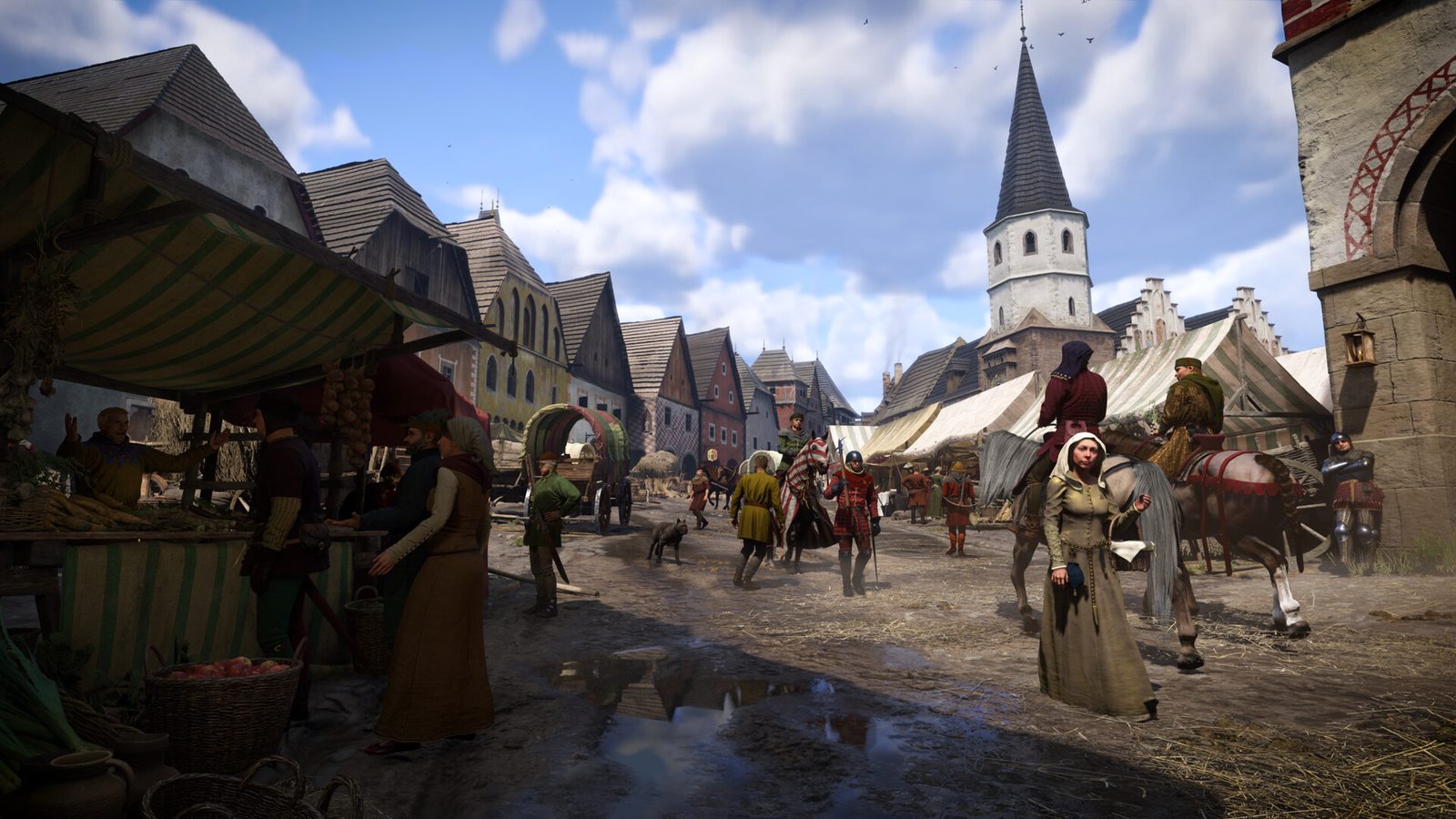
Bohemia benefits from attention to places a player might otherwise hurry past. Fields, woodland paths, rooftops and village meeting places suggest people living their lives. OtaHub likes how this makes travelling interesting without requiring every route to end at a spectacular landmark.
The countryside and towns also have distinct rhythms. Open landscapes provide breathing room after a confrontation, while dense streets and buildings bring social life closer. Clothing, everyday objects and lighting belong to the same coherent setting, so attractive details support the world rather than distract from it.
Facial expressions and physical performance make story scenes more involving. A camera angle or a moment of silence can increase tension without additional explanation. That is a significant visual strength alongside the scenery, because the images help tell the story rather than merely decorate it.
Voice performances make conversations engaging
In a game with substantial dialogue, voice acting has a direct influence on whether listening remains enjoyable. Kingdom Come: Deliverance 2 handles that well. OtaHub found enough expression and feeling in the conversations to stay interested through lengthy exchanges.
Voices work with expressions and staging to give characters personality. Tension, mockery or hesitation can make information feel different from simply reading it. The audio therefore supports one of the game’s central strengths: drawing you into its people and their relationships.
Music and environmental sound also fit the medieval atmosphere. They give travel and inhabited spaces presence while supporting the more dramatic parts of the story. OtaHub came away pleased with the audio, particularly its contribution to keeping a dialogue-heavy RPG engaging.
The PC experience and slight combat lag
I could not play Kingdom Come: Deliverance II at maximum settings on the PC used to finish it. Combat was also slightly laggy. That is an irritation in encounters that ask for observation and timely responses, though it did not undo my enjoyment of the overall journey.
PC players should take time to choose suitable graphics settings before settling into the adventure. Steam lists an SSD and at least 16 GB of RAM, but meeting minimum requirements is not a promise of maximum settings. I would prioritise keeping fights comfortable to follow over holding every visual option at its highest level.
Value comes from choosing how to solve quests
The standard edition cost 999,000 VND on Steam Vietnam when checked on October 16, 2026. It is a substantial purchase, but the quality of its quests and story can justify it for players who enjoy this kind of role-playing. The amount of content matters when choices deepen an understanding of Henry and his world, rather than simply extending the running time.
Skills and quest solutions also provide reasons to try another approach. Persuasion, stealth and careful combat preparation allow Henry’s abilities to affect the outcome. Those connections make everyday actions worthwhile, although managing food, energy and clothing will not appeal to every player.
Steam’s supported-language list does not include official Vietnamese. That matters for an RPG built around conversations and dialogue choices. If you are uncertain about its pace, waiting for a discount makes more sense than buying solely for the scenery or its reputation for storytelling.
Verdict
Kingdom Come: Deliverance II is a convincing sequel because it preserves the identity of the original while improving routines that made its role-playing cumbersome. I enjoyed the story, cinematic direction and opportunities to find my own quest solutions. Lengthy scripted sequences, cramped fighting and slight combat lag on my PC remain reservations. For anyone willing to learn its systems, however, this is a journey worth following to the end.
A rewarding RPG to spend time learning
Compelling storytelling, performances and interconnected role-playing systems make Henry’s journey engaging. A slow opening, lengthy scripted sequences and slight PC combat lag remain limitations.
OtaHub recommendation: Worth buying if you enjoy patient, detailed role-playing.
Reviewed on PC after completing the main story of Kingdom Come: Deliverance II. Maximum settings were not used, and combat was slightly laggy. This review does not score the original game or paid expansions, and does not reveal the ending.
Author material: the author’s earlier review. Game information and Vietnam pricing: Steam.
Images: Warhorse Studios / Deep Silver.