My favourite journeys in Elden Ring were often the ones that stopped following the plan. A distant building or a cave beside the road could pull me away from the place I had meant to reach. By the time I returned to that original objective, I had new equipment and a much stronger interest in whatever might lie beyond the next stretch of the map.
FromSoftware has expanded its familiar design into a larger world without losing the pleasure of discovering things for yourself. It remains demanding and sometimes obscure, but the extra freedom changes how you respond to those challenges. There is usually somewhere else to explore or another approach to consider, and that flexibility makes this one of my favourite games from the studio.
An open world that makes me want to find my own way
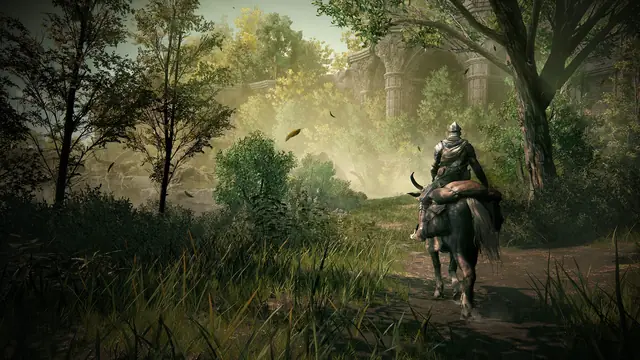
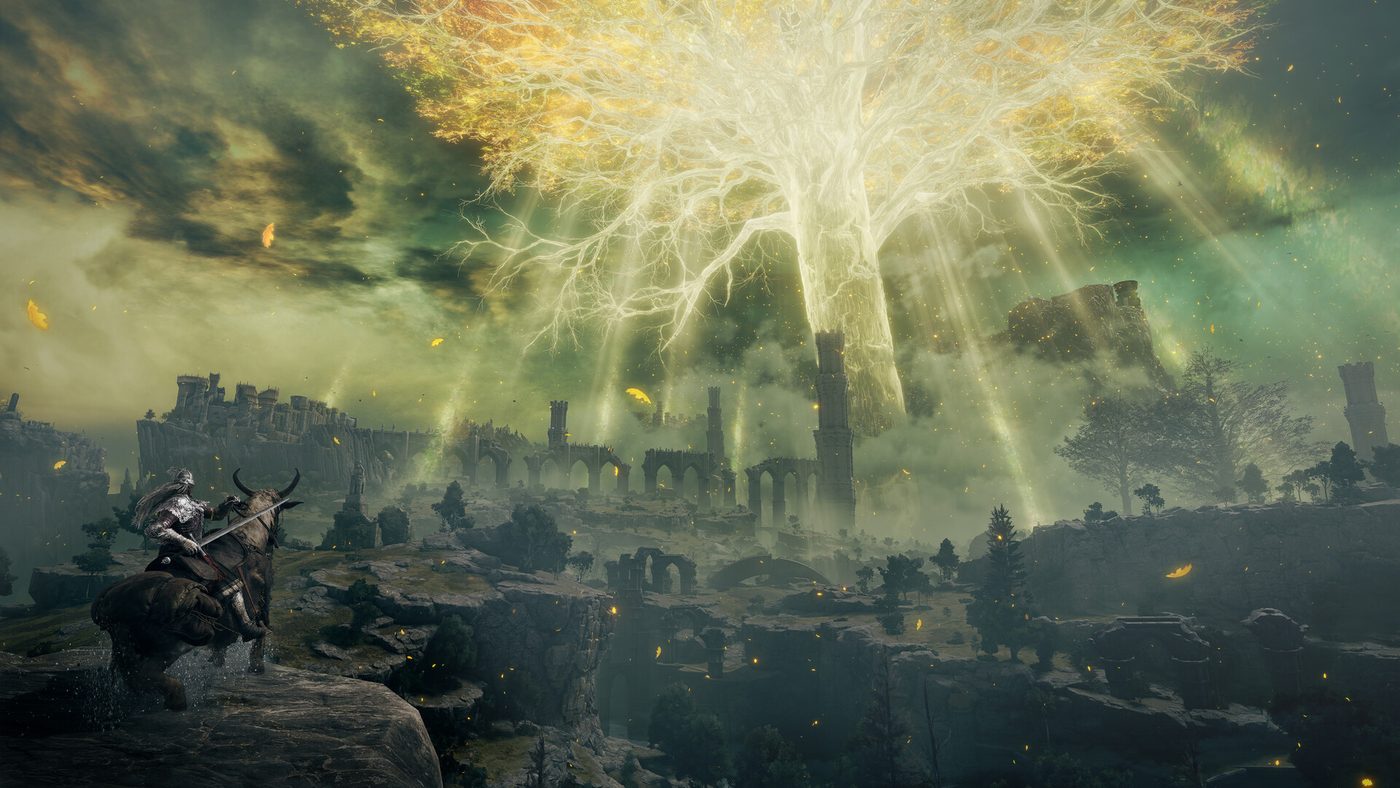
The Lands Between gives you landmarks worth investigating. Rather than continually checking which activity marker remained unfinished, I often chose a direction from higher ground and tried to reach an interesting structure. Getting there might mean encountering a travelling convoy or finding an entrance I had not noticed from the road. The journey develops before the destination has to provide a reward.
Small entrances can lead into unexpectedly large spaces, and hidden routes are easy to miss on a first playthrough. The map also grows beyond the boundaries it initially seems to establish. That continued expansion keeps curiosity alive, because an unfamiliar route can still reveal something more substantial than another item tucked into a corner.
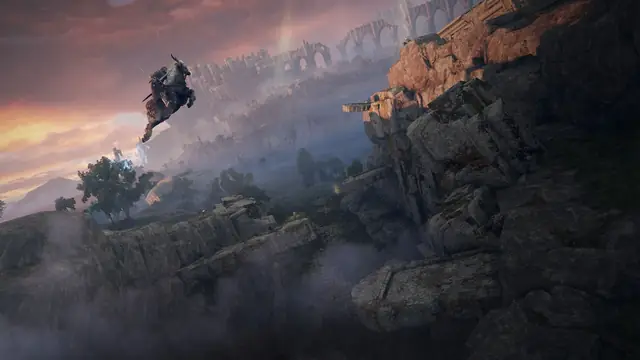
Torrent makes the distances manageable, while jumping encourages a closer look at the terrain. Fast travel reduces the time spent retracing familiar routes, particularly when a quest sends you back towards somewhere you have just left. These conveniences support a large world without making every return trip a demand on your patience.
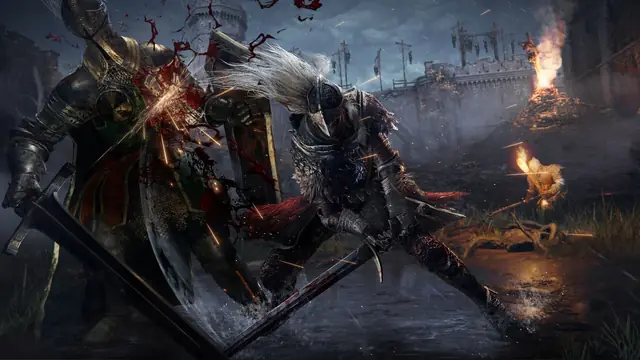
The art direction contributes directly to this appeal. The Erdtree, castles and ruins give the landscape a strong identity while suggesting places to approach. A striking view is often useful as well as beautiful, because it helps me decide where I want to go next.
Demanding combat with more ways to approach it
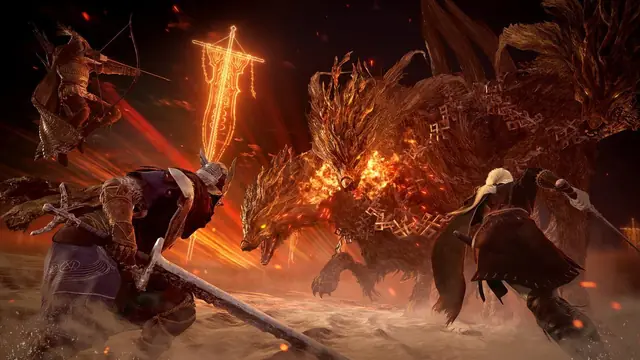
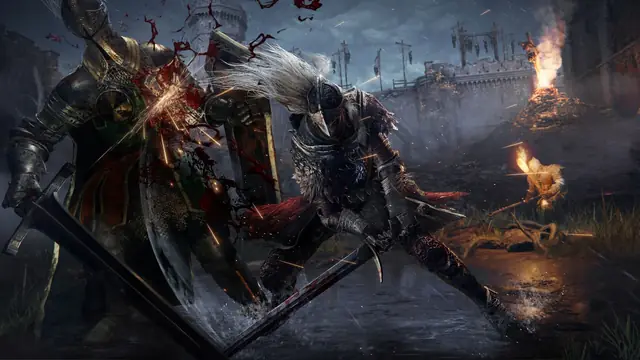
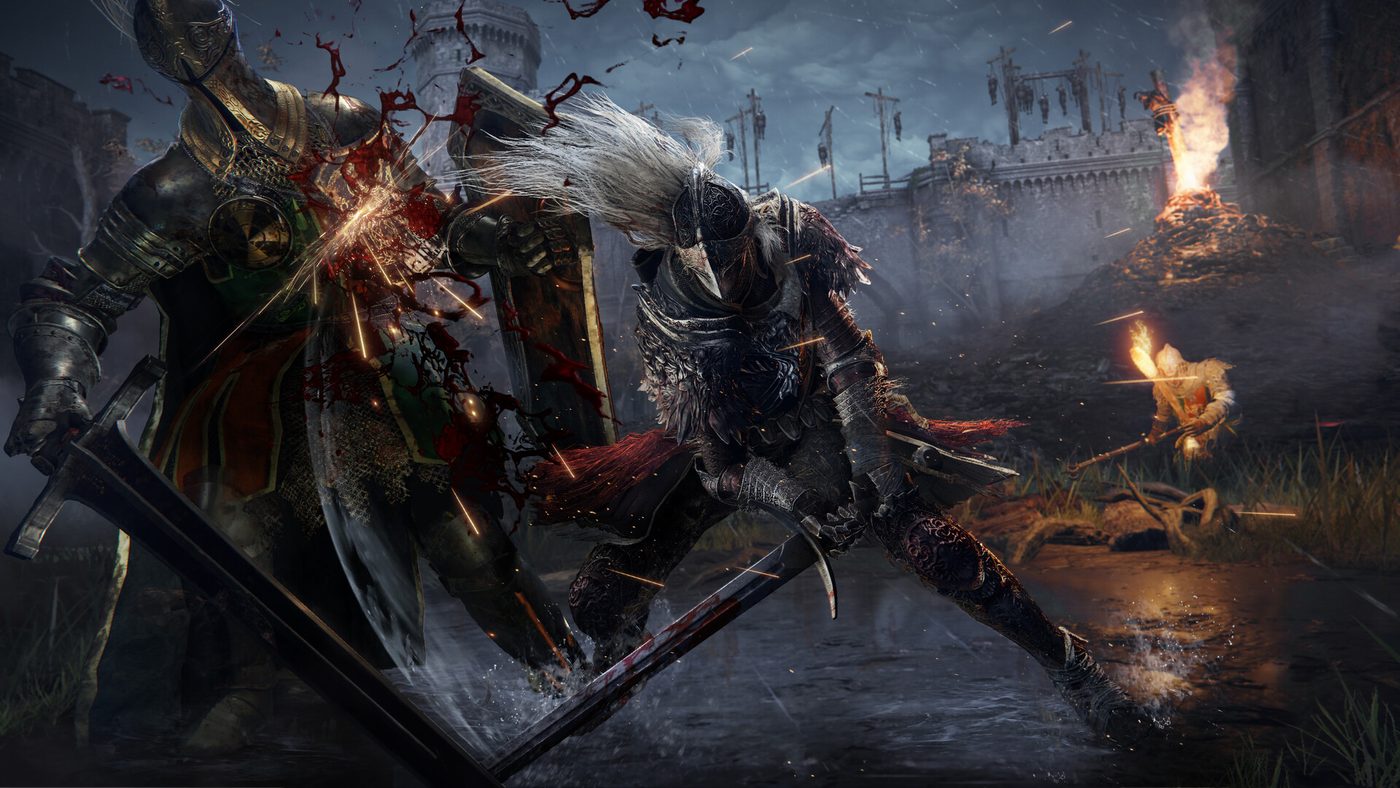
Elden Ring still asks you to watch enemies, choose your openings and learn from failure. A smaller encounter on the road can prove more troublesome than the required boss you were travelling towards. The difference is that an obstacle rarely has to occupy the entire session. You can explore elsewhere, develop your character or find equipment before returning.
Building that character is engaging in its own right. Weapon choices, skills and armour encourage decisions about how to approach encounters, rather than simply which statistic to increase. Combining two effects in the customisable flask adds another adjustment before a difficult fight. The flexibility makes preparation feel closely connected to what happens once combat begins.
Spirit summons give solo players another option without requiring someone else to be available online. Crafting can also support particular builds, while remaining something you can largely leave alone if it does not suit your approach. Having these tools available broadens the possibilities without forcing every player through the same preparation routine.
Stakes of Marika are a smaller change that makes repeated attempts much easier to accept. Where they are available, returning to the challenge takes less time than running back from a distant checkpoint. Losing runes still matters, but the game removes some of the travel that contributes little to learning the encounter. I am more willing to try again when I can get back to the actual problem quickly.
A story discovered through its world
The Lands Between feels shaped by events that happened long before the player arrived. Ruins, characters and information left within the world encourage a closer look at its history. I appreciate being able to piece more of that history together through material found in the game itself, because learning about a place becomes part of exploring it.
That approach also has drawbacks. NPC guidance can be vague, and the light pointing towards a destination does not guarantee that you are following the required story route. An apparently important journey can lead into optional content instead. Players looking for steady narrative progress may find the uncertainty frustrating, particularly when they have already spent considerable time travelling.
I still enjoy the unpredictability, including the sense that events are not waiting for me to understand everything before moving forward. Clearer guidance in a few places would nevertheless make the adventure easier to follow without taking away the satisfaction of discovery.
Smaller dungeons do not always match the larger areas
The major areas retain the deliberate design that makes FromSoftware’s environments satisfying to investigate. Smaller caves, tombs and ruins are less consistent. After visiting enough of them, familiar layouts and ideas become easier to recognise, which weakens the excitement of heading into another entrance.
Some offer cleverer arrangements and puzzles, but that variation makes the less distinctive examples stand out. When the reward becomes the main reason to finish a dungeon, exploration loses some of the appeal it has in the larger world. A game with this many smaller locations would benefit from more of them having a strong identity.
The final stretch also narrows towards a sequence of required bosses, reducing the freedom that defines much of the earlier adventure. Optional areas still provide opportunities to step away, however. A further playthrough remains appealing through missed routes and the chance to develop a substantially different character.
Solid audio and a convenient PS5 experience
The music and sound are solid for me. They are not the parts I would praise as strongly as the world design or combat, but neither caused frustration during the journey. My strongest enthusiasm remains for exploration and the variety of approaches available, which is why the audio assessment sits below those standout aspects.
On the PS5 used for this review, I had no significant technical complaints interrupting play. Quick loading is especially helpful when fast travelling or returning after a failed attempt. Combined with the closer revival points, it makes repeated actions less tiring and gets me back to the interesting decisions sooner.
That assessment applies to this PS5 playthrough. It does not establish how the PC release will behave on a different machine, so anyone buying that version should check its own requirements.
Value that comes from discovery and replaying
At its original US list price of $59.99, Elden Ring offered a thoroughly worthwhile adventure. Its scale matters because I wanted to keep investigating the world, rather than simply finish a list of activities. Missed locations and alternative builds also provide meaningful reasons to return after completing the main journey.
It still asks for patience with failure and a willingness to navigate uncertainty. Clear instructions, continuously delivered story scenes and entirely fresh ideas in every small dungeon are not its strengths. The price discussed here is the original launch price of the base game, rather than a current regional offer, and does not include Shadow of the Erdtree.
Verdict
Elden Ring kept me interested in exploring even when the ending was already within reach. FromSoftware preserves the appeal of its combat and world design while allowing more freedom in how to move through them. Repetitive smaller dungeons and obscure guidance remain weaknesses, but they do little to diminish an adventure that repeatedly made me want to take another detour.
An exceptional step forward for FromSoftware
Discovery and flexible combat are the strongest achievements. Repetitive optional locations and unclear guidance leave room for improvement, while the audio is solid.
OtaHub recommendation: Buy now if you enjoy demanding combat and finding your own way through a large world.
The original game was reviewed on PS5 after completion. This review does not score Shadow of the Erdtree or reveal the ending. The price discussed is the original launch list price.
Author material: the author’s earlier review. Game information: Bandai Namco.
Images: FromSoftware / Bandai Namco Entertainment.