Returning to Frieren: Beyond Journey’s End for its second season, OtaHub most wanted to know whether spending time with its central group would remain as rewarding. The first season had already made Frieren, Fern and Stark companions worth following. The continuation needed to preserve that pleasure even when their journey north covered relatively little ground.
Its ten episodes do that. Encounters and jobs along the road continue, while the route ahead becomes more dangerous. For OtaHub, the attraction lies in the characters understanding one another better after each stop. A conversation, a request for help or a recalled memory can reveal more about their feelings for one another.
A distant destination does not prevent the story from developing
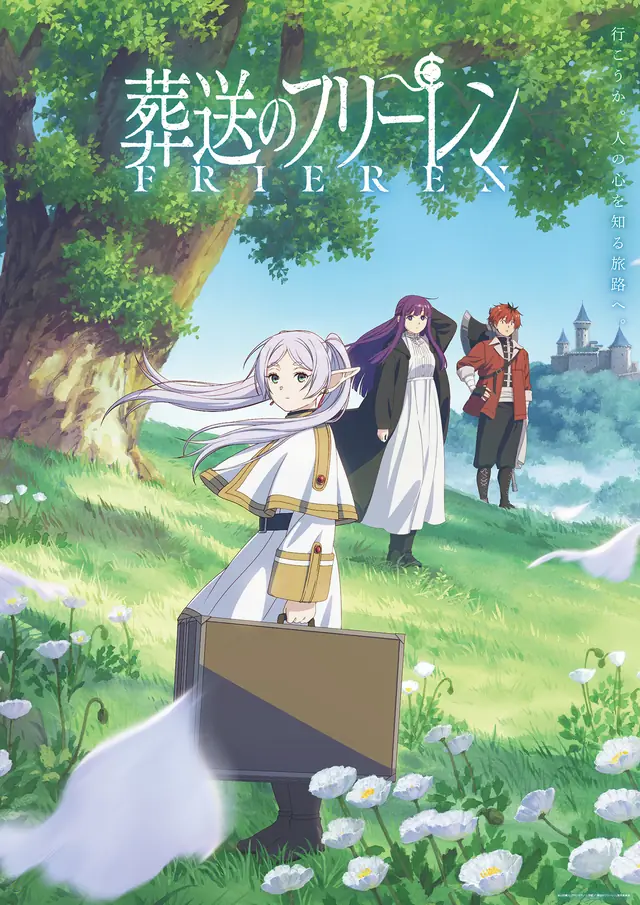
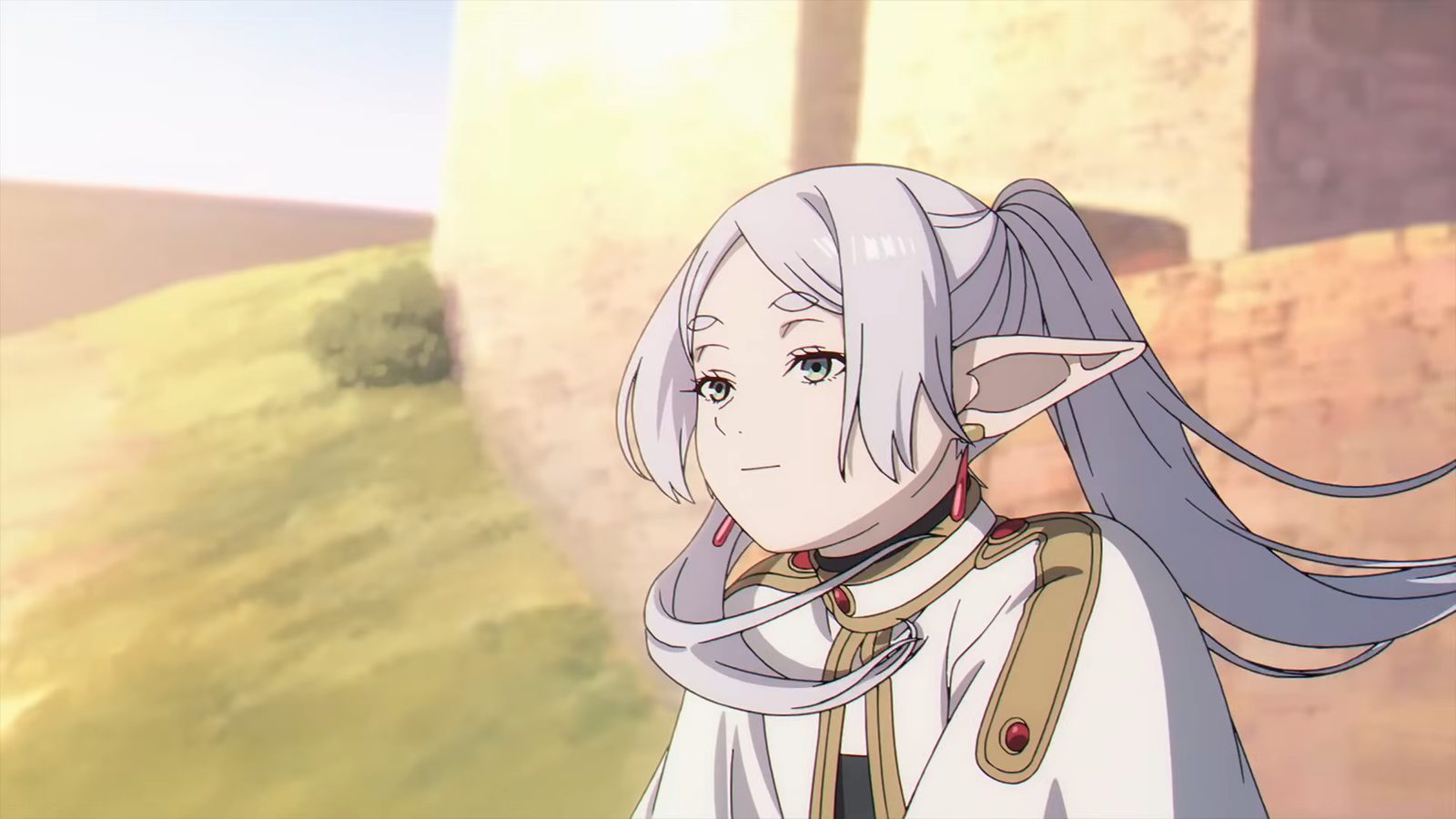
Frieren continues toward Aureole, the resting place of souls, hoping to meet her old companions again. Following season one, that journey gains another dimension because Fern and Stark now share it. Memories of Himmel and the original party remain connected to her present life instead of merely reminding viewers of an adventure that has ended.
Season two is engaging because Frieren has learned to value time with others more. Her perspective remains that of a long-lived elf, but experiences with Fern and Stark no longer pass as something she can simply take for granted. The change emerges through everyday life and encounters, allowing viewers to recognize growth without requiring a grand declaration.
The group’s jobs do not always provide rewards proportionate to their effort. The search for a hot spring in episode 31, for example, takes them along a difficult mountain route. What makes these passages enjoyable is how the three share inconvenience, anticipation and small pleasures. Once the characters matter, apparently incidental events become valuable parts of their journey.

Frieren, Fern and Stark now feel like a real group
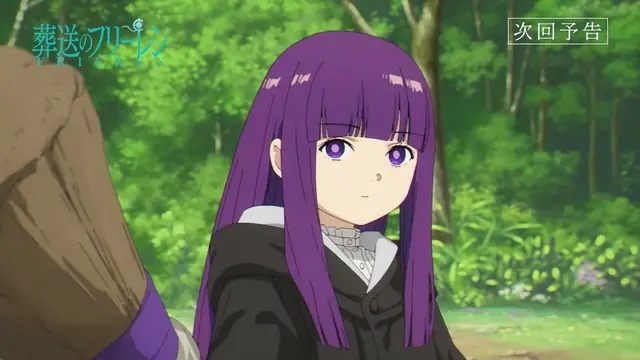
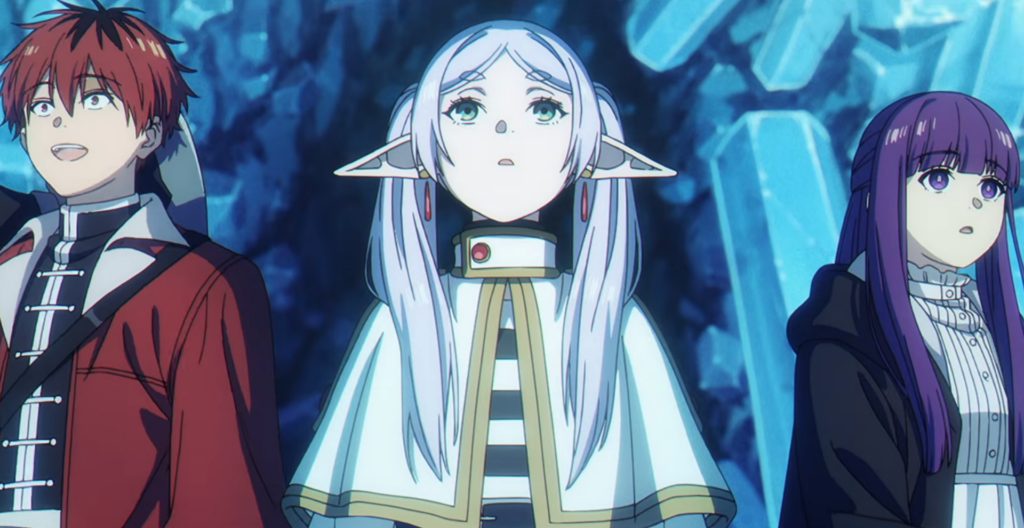
The relationships are OtaHub’s favorite part of the second season. Frieren is both a guide and someone still learning to understand the younger people around her. Fern and Stark have their own wishes, embarrassment and reactions, so misunderstandings can make their conversations more charming. They feel like people who have lived and traveled together for a considerable time.
Fern and Stark offer a clear example. An invitation at the end of episode 31 introduces an ordinary situation into a journey full of magic and monsters. Its appeal lies in the awkwardness of two young people wanting to grow closer without knowing quite how to express it. These scenes add to their identities as a warrior and a mage, giving viewers reasons to care beyond combat.
Previously introduced characters also remain relevant as the group reaches new places. Reunions show how earlier relationships can provide assistance and different perspectives. As the world becomes more dangerous, connections have practical importance as well as emotional value. They also make Frieren’s world feel larger than its three central travelers.
Genau and Methode give the middle of the season additional weight. When Frieren’s group joins a mission in the north, everyone has a necessary role. Dependence on other people develops through difficult circumstances. OtaHub appreciates the continued interest in the people around Frieren instead of treating each new opponent simply as an opportunity to display her strength.
Action makes the dangers of the north tangible
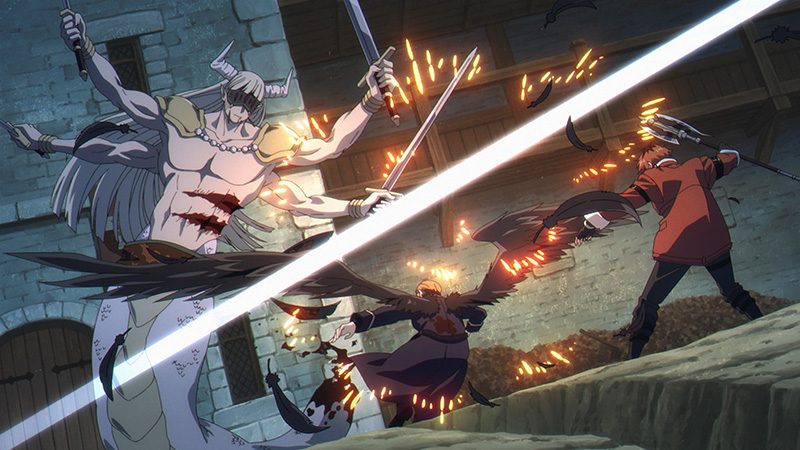
Further north, opponents demand more effort and progress becomes harder. The confrontation with Revolte is a highlight because it gives the danger a concrete form. While Frieren, Fern and Methode search for demons in the forest, Stark and Genau remain in the village and face a four-armed enemy. Separating the group establishes that not every situation can be resolved by waiting for Frieren to act.
The battles provide useful tension, but they are not OtaHub’s only reason to enjoy the season. Its imagery remains appealing when characters talk, rest or look at a landscape together. The gentler scenes make this a world worth spending time in, while giving dangerous situations a stronger contrast when they arrive.
Action and everyday life serve the same story about companionship. There are confrontations worth watching, yet the series also makes room for reactions and relationships. That balance suits the season’s strengths, even when visual spectacle is not the main impression left by an episode.
Expressive music and two rewarding voice tracks
The second season’s background music is enjoyable and suits its emotions. Evan Call’s score continues to give quieter passages an atmosphere of their own, particularly when memories of old companions sit alongside the current journey. In a series that makes time for conversations and small incidents, the music sustains OtaHub’s involvement without requiring a major event at every turn.
That effect comes from its relationship with dialogue and imagery. The characters do not always state their feelings directly, making performances and the time allowed for reactions important. With music suited to the situation, a short encounter or a memory can leave a lasting impression. The second season preserves this strength.
OtaHub watched both the Japanese version with subtitles and the English dub, preferring the latter because it makes conversations easier to absorb without continually reading. This is a matter of viewing convenience. In both versions, the dialogue and character connections remain clear. The choice mainly depends on how you prefer to watch.
Ten episodes that deepen the people and the world
Season two is much shorter than the first season’s 28 episodes, so wanting more is understandable. For OtaHub, its length does not diminish the stories it tells. Encounters develop relationships, while more demanding jobs make the northern regions feel less safe.
Tomoya Kitagawa directs season two, with Keiichiro Saito providing directorial support. The result retains the spirit that made the first season appealing to OtaHub. Conversations have time to unfold, and daily life is not treated as something to hurry through before the next fight. That approach preserves the closeness to the characters throughout.
The final episode links past and present through a bridge the dwarf Gehen spent more than two centuries building. Such a long undertaking fits Frieren’s interest in time and what people leave behind. The journey continues beyond the season’s ending, but the relationships developed along the way make OtaHub want to follow its next stretch.
Compelling enough to revisit through another voice track
OtaHub does not usually return immediately to a completed season. Watching season two again through another voice track reflects the attachment to these characters. Even with the events already known, conversations remain engaging because the interest lies in how people treat one another and what their words mean.
Season two may not offer the novelty of meeting Frieren for the first time, but it makes her world and companions worth following further. Watch season one first to understand the memories and relationships developed here. With that foundation, these ten episodes make the continuation of the journey something to look forward to.
Verdict
Frieren’s second season preserves what OtaHub loves about the series: it makes encounters and shared time memorable. Ten episodes do not satisfy the wish to stay with the group longer, but the story develops through stronger relationships and increasingly apparent dangers. If you enjoyed season one, this is a continuation well worth watching.
OtaHub recommendation: Watch now.
Reviewed across all ten episodes of season two, episodes 29–38, in Japanese with subtitles and with the English dub. Discusses situations from both seasons without revealing the outcomes of major confrontations.
Production and episode information: official staff and cast · season-two episode list. Updated October 25, 2026. Images from the anime and season-two promotional material. ©Kanehito Yamada, Tsukasa Abe / Shogakukan / Frieren Project. Review standards.