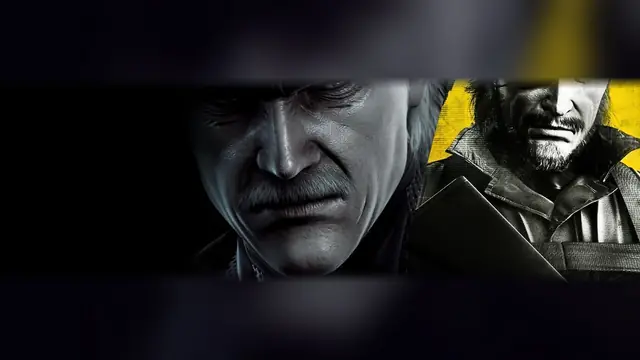
Metal Gear Solid Delta: Snake Eater returns Naked Snake to the forests of a Cold War espionage story. It retains Metal Gear Solid 3’s narrative while rebuilding its presentation. For me, the strongest attraction is how that journey looks and feels on screen. Environments, faces and cinematics give the mission a presence beyond a conventional briefing.
That storytelling approach also creates a significant obstacle. There are times when I want to control Snake again while the game still has plenty of dialogue to deliver. Delta is compelling as a cinematic adventure, but its viewing and playing rhythms do not always fit together comfortably.
An engaging story that requires patience
Naked Snake enters Soviet territory to rescue the scientist Sokolov. The mission becomes more complicated when his mentor, The Boss, appears on the opposing side. A rescue develops into a conflict involving orders, loyalty and personal relationships. That premise gives newcomers a clear understanding of who they are following and why the mission carries weight.
I appreciate the remake retaining the original story and the relationship between Snake and The Boss. Enjoying that direction does not make every long cinematic easy to sit through, however. The game spends considerable time on dialogue and background. When I want to explore the next area, another extended conversation interrupts that sense of agency.
Calls with Para-Medic have a similar dual effect. They offer a break from tension and make room for people outside the immediate battlefield. Sometimes the conversation lasts longer than the pause I want. The issue is not dialogue existing, but when the game asks me to stop and listen to it.
I therefore value the story while finding its pacing less economical than I would like. Players interested in character and espionage atmosphere have plenty to appreciate. Those mainly looking to find their own routes and solve situations should expect frequent stretches where watching replaces direct control.
The new camera makes observation easier
Delta offers two control styles. New Style uses an over-the-shoulder third-person viewpoint, while Legacy Style adopts an overhead view closer to the original approach. In my experience, third person makes moving through an area and checking for threats more comfortable. It is easier to examine a direction before deciding whether to advance or remain concealed.
Legacy Style brings an older feel, but I do not find it easier to learn. Its overhead view makes reading positions less direct than the camera behind Snake. Keeping both options is useful because players can choose the approach that suits their habits instead of being restricted to one control scheme.
Underneath the camera changes are tasks that still require patience. You watch guards, consider cover and choose suitable equipment. Switching between items sometimes feels uncomfortable to me. An awkward action while trying to remain hidden can interrupt concentration even when the situation itself is not especially difficult.
Equipment switching should also be distinguished from camouflage changes. Konami added a quick-select menu for choosing patterns that suit the environment. It reduces the effort of a recurring preparation task while keeping the clothing choice relevant. The remake retains older systems but makes some frequent actions more convenient.
My reservation about difficulty is how different its extremes feel. On Very Easy, guards can react slowly enough to reduce tension noticeably. At the hardest setting, the risk of detection demands much greater care. These settings should differ, but the gap makes finding the appropriate challenge especially important.
Food and looking after Snake add another layer of preparation. The weapon in hand is not the only consideration because the character’s condition also matters. These systems give the survival journey personality. Their effects can require experimentation before the player fully understands what a particular choice will do.
Visuals provide the clearest reason to return
Presentation is Delta’s standout strength for me. Vegetation and surfaces have richer detail, while character faces give conversations more visual weight. A story that spends so much time in cinematics benefits particularly from this treatment. There is more to watch in the characters rather than simply waiting for dialogue to end.

Marks on Snake also help the journey feel tangible. Konami’s damage system reflects mud, injuries and wear on clothing and the body. That detail suits a mission through harsh environments. It allows the image to communicate something about Snake’s condition alongside the interface.
The game includes adjustments for motion blur, depth of field and colour filters. Those choices are useful because visual appeal also depends on how someone prefers the image presented. I rate the graphics highly and see them as the remake’s most immediately apparent improvement.
Expressive music with some sound problems
Music supports the cinematic approach well. The new rendition of Snake Eater remains emotionally effective, and the score gives tense passages and shifts in the story distinct moods. For me, sound contributes to the atmosphere rather than merely accompanying movement.
I also encountered sounds that arrived at the wrong moment, including explosions or character sounds that lagged behind the image. Those faults affect continuity, particularly in a game that invests heavily in staging scenes. They do not erase the music’s strengths, but they keep the audio assessment from resting on praise for the theme song alone.
The PS5 experience
During my PS5 playthrough, the game ran smoothly and consistently. I completed the story without performance becoming a central obstacle. Interruptions came chiefly from the storytelling and equipment switching, while the audio faults discussed above were a separate issue.
Value depends on enjoying its storytelling rhythm
I would not judge Delta’s value solely by completion time. Someone returning to Snake Eater for a modern presentation wants something different from a player seeking brisk action. Cinematics are a substantial part of the experience, so the useful question is whether you want to spend time with that style of storytelling.
Two control styles and several difficulty settings provide ways to approach the mission differently. The core narrative remains intact, however. Replayability is more about revisiting familiar situations with another approach, or enjoying the characters and visuals again, than discovering an entirely different story.
PS5 also includes Snake vs Monkey as a diversion alongside the main campaign. An additional mode offers a change of pace, but a list of extras does not resolve the main story’s pacing. Snake’s central journey remains the decisive factor in whether this remake suits you.
Verdict
Metal Gear Solid Delta is strongest when its images, characters and music draw the player into Snake Eater’s espionage story. The over-the-shoulder camera makes its action more approachable while preserving the character of a journey built around observation and preparation.
Long cinematics, occasionally awkward item switching and some audio faults keep me from being completely satisfied. It is worth considering for its story and cinematic qualities. Players who chiefly want uninterrupted control may find Delta’s extended viewing stretches harder to appreciate.
The overall score follows the six weighted criteria.
OtaHub recommendation: Worth buying for its story and cinematic presentation.
Review scope: the PS5 version, with the story completed. The exact version, graphics mode and playtime were not recorded. Illustrations are from Konami and the game’s Steam listing.
Factual references: Konami, PlayStation Blog. Checked October 17, 2026.