Suikoden STAR LEAP is most inviting in its opening hours when a conversation in town produces another companion. There is someone new to consider for the party, while the village gradually gains more activities. Exploring becomes about discovering people as well as finding chests and materials.
OtaHub approached the game without having played earlier Suikoden titles, yet the opening remained easy to follow. Attractive visuals, frequent voiced dialogue and convenient automation made the introduction enjoyable. Reservations concern manual movement, the work involved in developing several characters and the odds of obtaining a particular gacha character.
Recruitment rewards looking around
STAR LEAP provides small reasons to slow down. Townspeople offer requests, items lie around the environment, and chests and breakable crates reward paying attention. The scenery is attractive enough that searching also becomes a chance to appreciate the surroundings.
Characters are the more appealing discovery. Advancing the story and restoring the village unlock content and bring additional companions. Some can be recruited by speaking to them in town. For someone who enjoys collecting characters, this is more satisfying than having every new face depend on a random draw.
More companions also provide practical options. Elemental matchups seemed important in the early battles, so a wider roster made party preparation more interesting. Recruitment connects the pleasure of exploring with decisions about whom to use.
These are opening encounters rather than evidence for the difficulty of the full endgame. What already works is the connection between looking around, meeting someone and gaining another option to try.
An approachable opening for a newcomer
The story experienced so far is naturally written and easy to understand. OtaHub did not repeatedly need to stop and work out what the characters wanted. Lack of familiarity with previous games was not a barrier in this portion.
Dialogue choices sometimes change the text that follows. That makes a conversation feel responsive without establishing a large branching narrative. Seeing a character answer the selected response is a welcome detail in itself.
Automatic movement helps the player proceed through the story. When a narrative scene begins, accelerated playback stops so the dialogue is not inadvertently rushed past. OtaHub likes this use of convenience because it preserves space for the story rather than simply making everything faster.
Through Chapter 1, Episode 5, the opening supplied a reason to continue. Later developments and the resolution are outside this review. The positive finding is that the material played was understandable and engaging without requiring knowledge of the whole series first.
Pixel characters with plenty worth watching
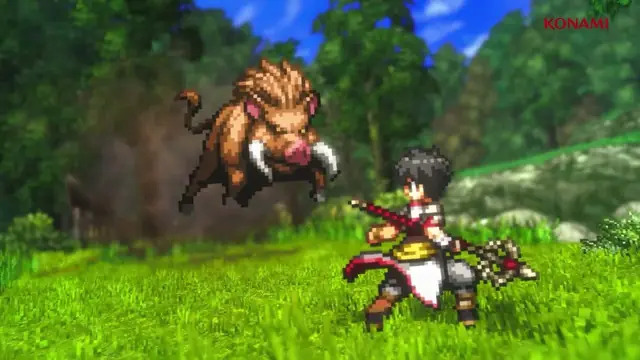
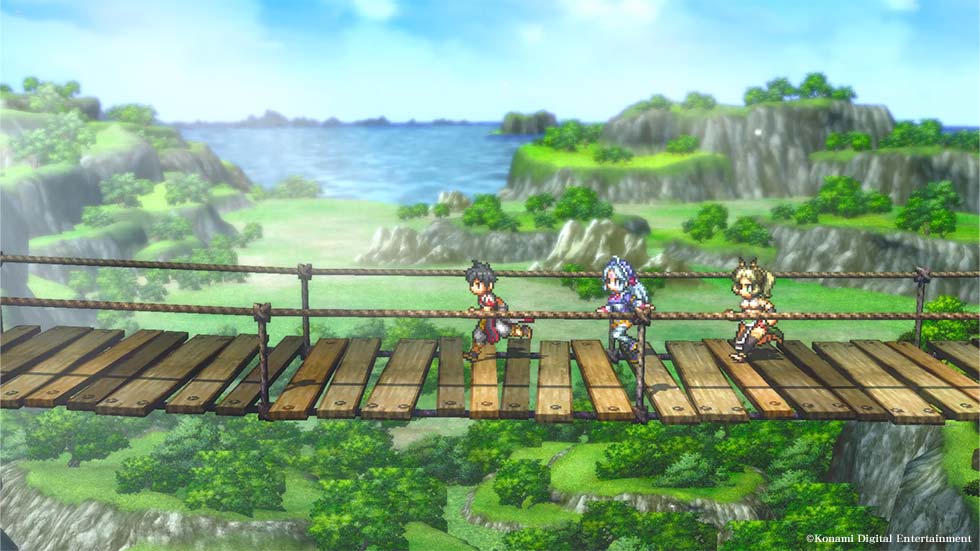
Presentation makes a strong first impression. Pixel characters stand within environments with depth, while the backgrounds show a level of care that reminded the writer of a console RPG. That is a visual impression rather than an official technology label.
The attraction goes beyond a pleasing still image. Small movements and varied animations make the characters enjoyable to watch. A newly recruited companion becomes someone worth looking at as well as another set of combat options.
Exploration and presentation support each other. Hidden objects provide a reason to inspect the environment, and attractive scenery makes searching feel less like a routine exercise in gathering materials. That relationship helps the opening feel welcoming.
Voices keep the companions present
The story played is voiced, with additional conversations during travel. Individual characters also have lines at the start and end of battles. There is something to listen to beyond the arrival of the next main cutscene.
OtaHub enjoys how the companions remain present after a dialogue window closes. Conversations along the route suggest people travelling together, and battle lines add personality to the roster. Alongside the animation, this makes meeting another character more appealing.
These voiced exchanges are a substantial strength. Delivery gives the characters personality, making their conversations enjoyable both in story scenes and after a fight has ended.
Helpful automation and less comfortable manual movement
Automation is a useful convenience. Besides story movement and combat, many minigames allow automatic play or acceleration. The writer can choose when to participate directly and when to let an activity proceed. Stopping acceleration for story scenes is a particularly considerate detail.
Manual exploration was less immediately comfortable. The writer was unfamiliar with touch controls and initially struggled to move as intended, eventually switching to the Android version through LDPlayer on PC. That is a real inconvenience from this playthrough, though familiarity and device choice can affect how others experience it.
Automation reduces repeated movement, while searching for items still makes comfort with manual controls important. Players who enjoy inspecting every corner should try that interaction rather than judging convenience solely from following the story automatically.
Recruiting is rewarding but development takes investment
Receiving characters through the story and exploration is a strong reason to continue. A new companion still needs development before becoming useful in a party, however. In the launch version played, gaining levels was not simply a matter of using a stockpile of instant experience items.
The writer earned experience alongside materials in stamina-based activities or by fighting enemies on the map. Time-based training provided another option. Equipment, skills and bonds added further layers, suggesting that developing several companions could become a substantial project.
This is an early concern rather than a finding that high-level progression is unreasonably demanding. Players who enjoy gradual character development may welcome those layers. Prioritizing a smaller group initially seems more practical than rushing to develop everyone recruited.
Obtaining one particular gacha character is a separate issue. The banner recorded on August 8, 2026 listed a 5% overall SSR rate, with each featured character at 0.5%. Getting an SSR therefore did not necessarily mean getting the intended character. The notes also recorded an exchange at 200 draw points for a featured character.
Those figures describe that banner at the time of writing, not every current offer. Check the game’s current rates and exchange conditions before spending. The opening provided plenty to enjoy without treating one specific pull as essential, while long-term generosity needs a longer assessment.
A polished start worth continuing
Suikoden STAR LEAP makes an inviting start through attractive visuals, lively voiced interactions and companions discovered along the journey. A newcomer can follow the reviewed portion, while automation makes the introduction convenient without rushing through its story scenes.
Manual movement and the investment involved in developing multiple characters are the main reservations. Gacha also requires distinguishing the overall SSR rate from the chance of obtaining someone specific. Within these opening hours, the quality was sufficient to make the writer want to keep playing.
OtaHub score
OtaHub recommendation: Worth playing.
Review scope: the Japanese launch version through Chapter 1, Episode 5, based on notes dated August 8, 2026. The writer switched to the Android game through LDPlayer on PC. Scores concern the opening played, not the endgame or later changes. No frame-rate measurements were recorded. Images: Konami.
Exploration, village and training information checked against Konami (17/10/2026).