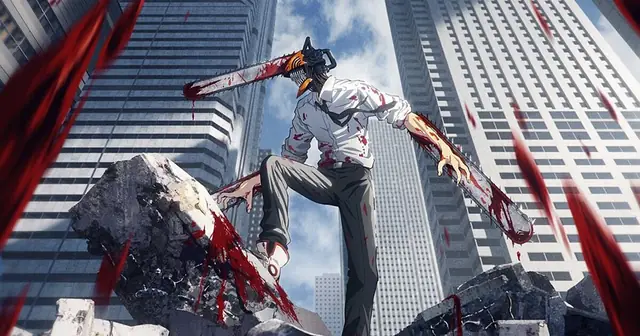
Reze Arc made me like Denji more, even though I did not find its story exceptional. He is still easily distracted by a pretty girl and often wants simple things. Once Reze enters his life, however, those desires become easier to understand. He wants someone to like him, a chance to attend school and a life that does not depend on constantly fighting to survive.
MAPPA's film is most convincing when it gives those desires room. The café conversations, outings and swimming-pool scene make the relationship worth caring about. When the violence arrives, I am concerned about more than whether Denji wins. I want to know whether he can hold on to the happiness he has just discovered.
Spoiler warning: this review discusses major developments and the ending.
A well-constructed story rather than an exceptional one
Chainsaw Man – The Movie: Reze Arc follows the television anime and introduces Reze through a meeting in the rain. Her warmth and initiative quickly draw Denji in. Their acquaintance becomes a story about affection, deception and the possibility of escaping lives neither fully controls.
The film carefully establishes why Denji likes her before confronting him with the truth. Its ordinary moments are more than pauses between fights: they show what he hopes to gain. That concern survives the transition into conflict, giving the action an emotional purpose.
Still, the sequence of events is not particularly remarkable to me on its own. It is clear and thoughtfully arranged, but much of its appeal depends on the central pair. Without their chemistry, the progression from attraction to revelation and confrontation would not carry the same weight. That is why my story rating sits considerably below my visual rating.
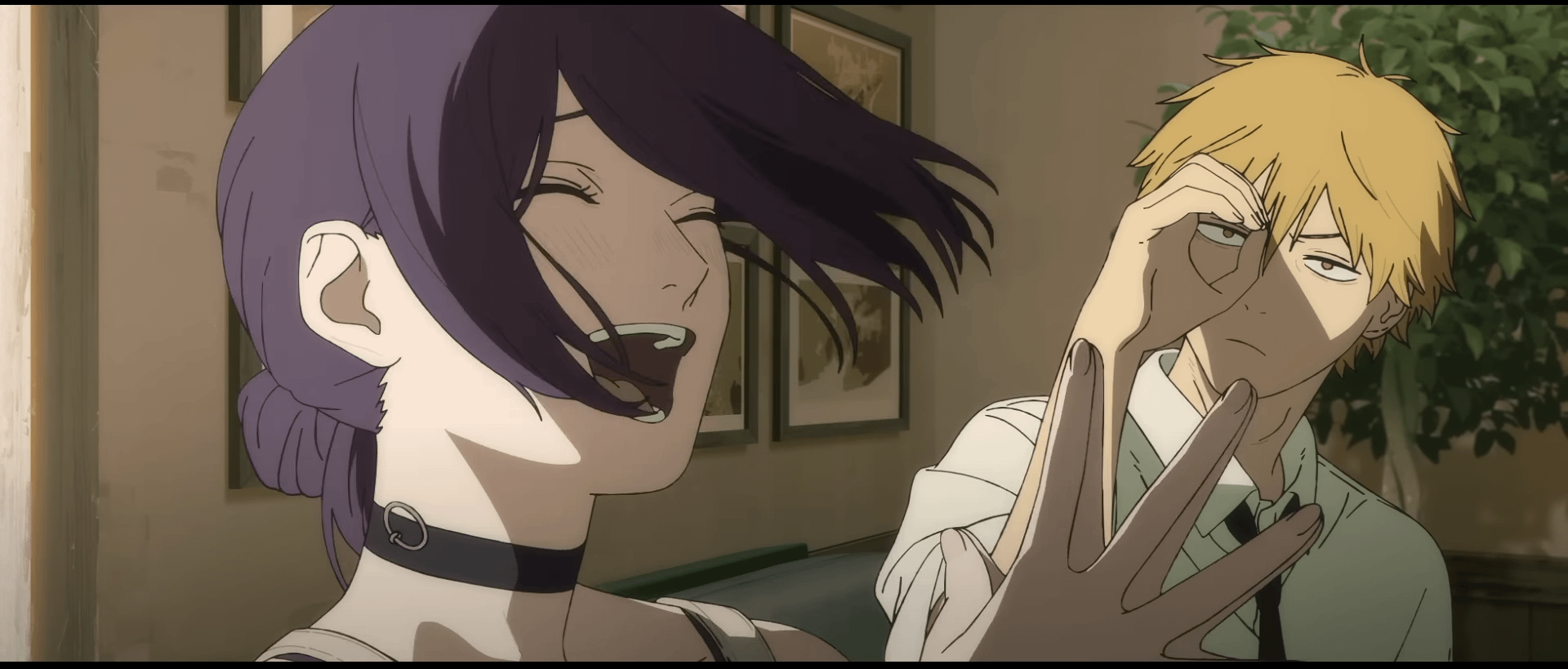
Denji and Reze make the romance work
Reze is my favorite character here. She is charming, playful and attentive to someone who badly needs that attention. Yet their relationship is not innocent from the beginning. She approaches Denji with a purpose, and her early affection includes calculation. What works is the growing sense that genuine feelings emerge within that deception.
Her decision not to board the train is crucial to my reading. She has an opportunity to leave, but chooses to return. That choice changes how I understand the time they spent together. It does not erase her actions; it shows her wanting something beyond the task she was given.
Denji develops too. He does not suddenly become mature, but his willingness to forgive her and suggest running away goes beyond immediate physical attraction. He imagines sharing a life with someone who has made him feel wanted. Learning that Reze never attended school either makes their connection more persuasive than a straightforward declaration of love.
Makima provides a revealing contrast. Denji's attachment to her is bound up with authority and control, whereas Reze offers closeness with someone his own age, even if she is not free herself. Meanwhile, Aki protecting Angel gives their supporting relationship meaningful development. Beam helps Denji, and Power supplies familiar comic energy without displacing the central romance.
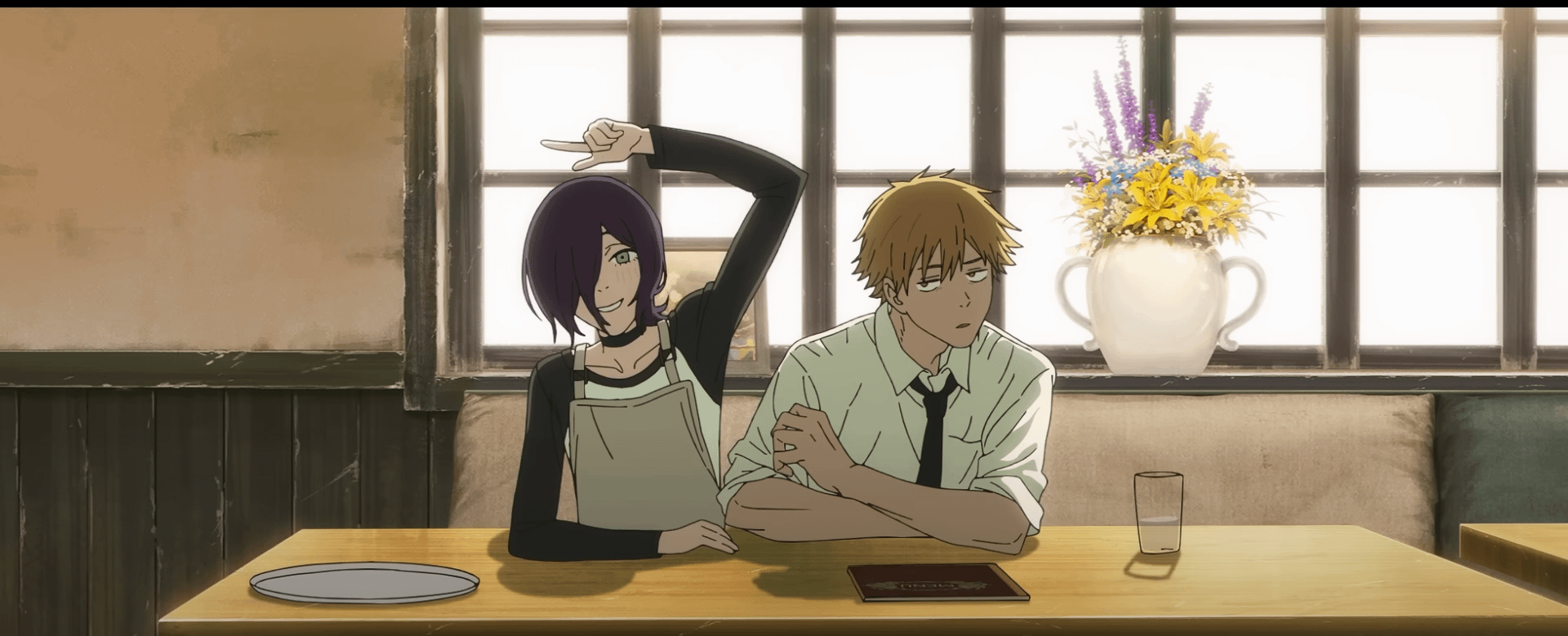
Outstanding animation with a little less of the manga's roughness
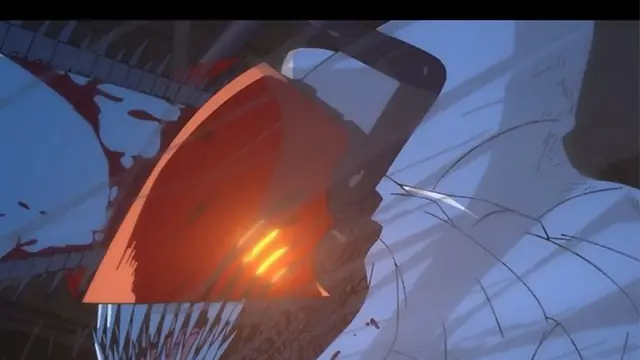
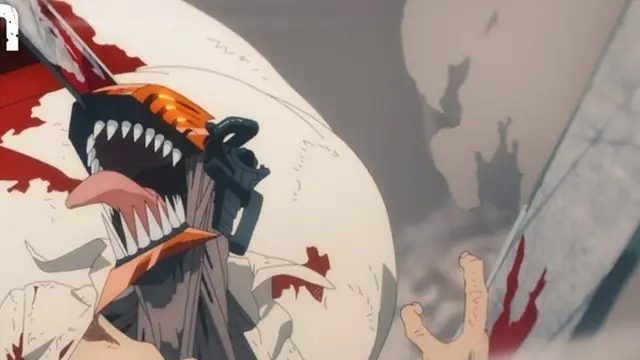
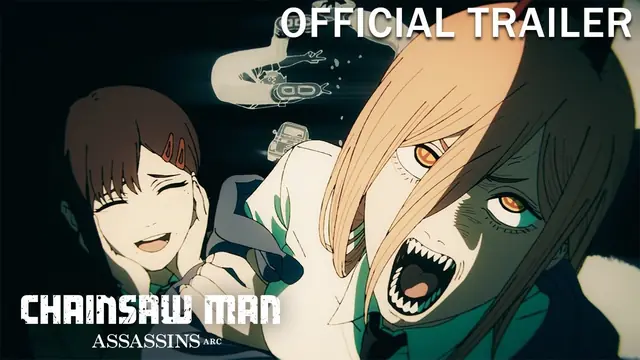
The visuals deserve full marks from me. MAPPA succeeds with conversations as well as large-scale combat. Reze's expressions, Denji's attention and the colors around their quieter encounters create intimacy. Once the action begins, fluid movement and changes in speed give it real energy.
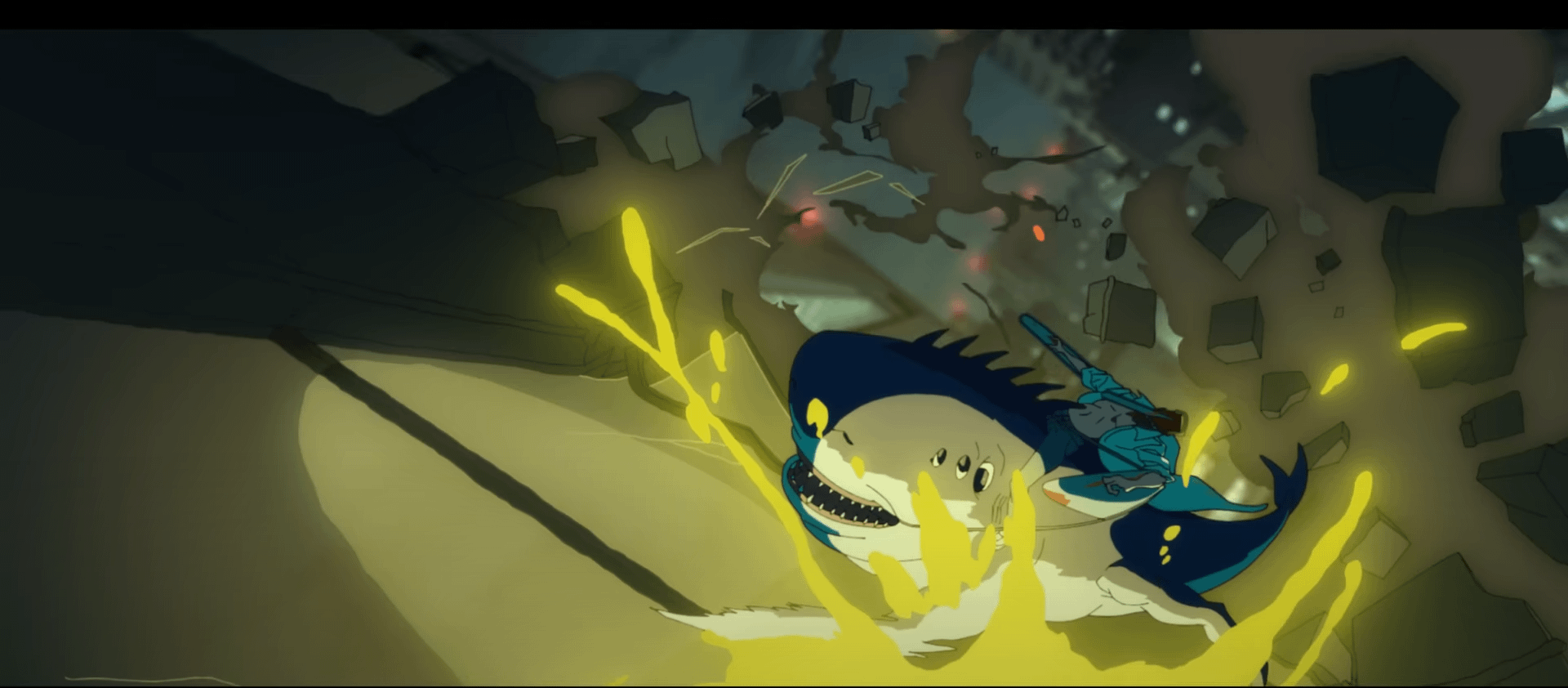
Denji's partnership with Beam captures that freedom. Rather than simply trading blows, the sequence uses movement and space to create action that is both forceful and peculiar. Slowing down at key moments lets me follow the movement before the next acceleration.
Webs, rain and flowers also encourage a closer look. I read the web imagery as an association between Denji falling in love and entering a trap. Flowers and their fragility suggest how precarious the relationship is.
My reservation concerns adaptation rather than execution. The film loses some of the manga's abrasive quality for me. Beautiful motion and Reze's appealing expressions soften a little of its roughness. I enjoy that polish, but it produces a different feeling from reading the source. This is a strong adaptation whose beauty does not entirely replace what I value in the manga.
JANE DOE is the song I most want to revisit
Kenshi Yonezu's IRIS OUT is excellent, but JANE DOE, performed with Hikaru Utada, is my favorite. After Denji and Reze's story, the ending song keeps me thinking about a relationship separated almost as soon as it began. That feeling suits the short time they share.
Kensuke Ushio's score supports the emotion without depriving the action of force. Explosions, chainsaws and environmental sounds are satisfying in their own right, so the soundtrack's success extends beyond its prominent songs.
In Japanese, Reina Ueda conveys Reze's charm particularly well. Her performance helps make Denji's attraction convincing. Kikunosuke Toya preserves his mixture of foolishness and sincerity, while Power retains her distinctive energy.
A painful ending with slightly too little time together
Both characters can imagine another life without being able to freely choose it. When Reze returns only to be stopped by Makima, her decision cannot become the meeting Denji waits for. I feel for her most strongly when her own wishes emerge near the end.
Even so, the relationship passes too quickly to affect me as strongly as I hoped. I believe in their feelings and enjoy their time together, but want more room for the bond to develop.
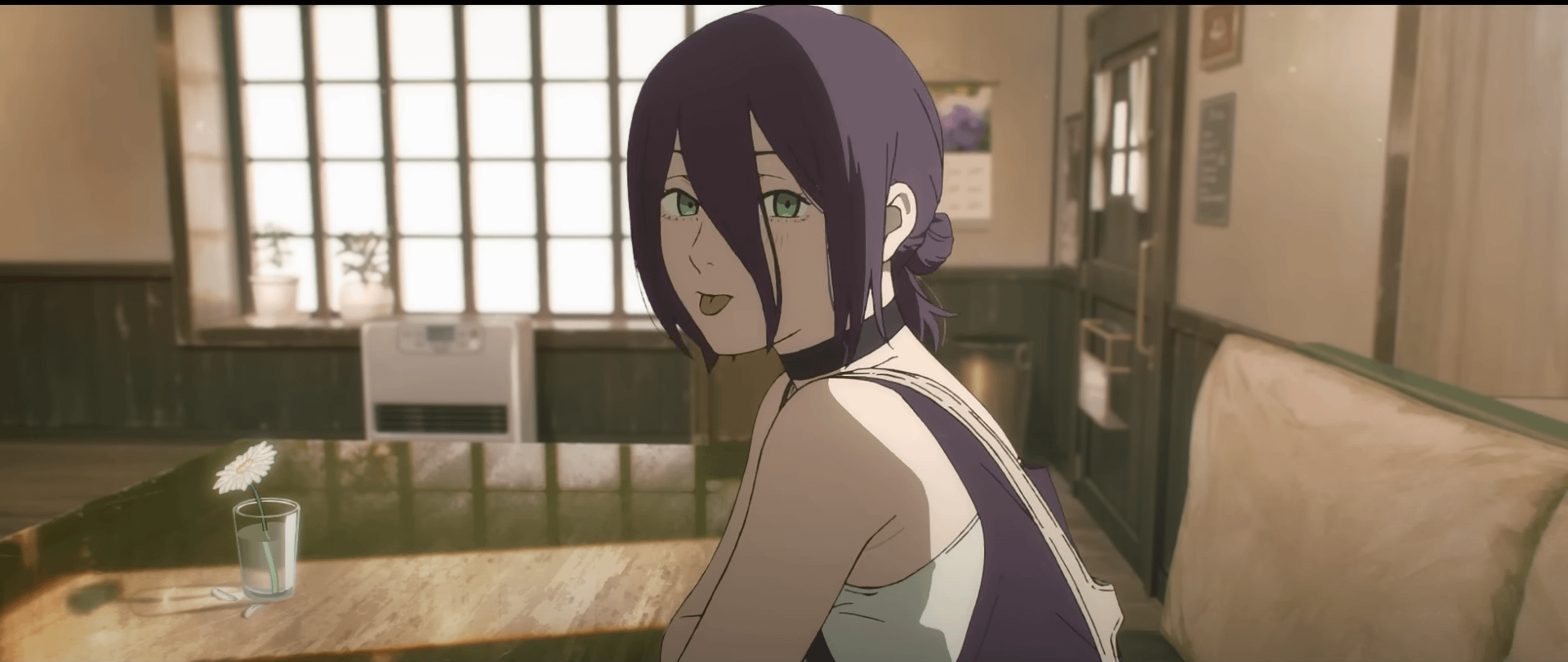
A beautiful adaptation worth watching
Reze Arc earns its appeal through outstanding animation, strong music and, above all, its understanding of Denji. Reze makes the romance memorable even though the plot is less distinctive and their connection has limited time to grow. My overall verdict remains 8/10, with considerable admiration for MAPPA's adaptation.
For viewers continuing from the television anime, it is worth the time. Its attraction lies in the battles and in watching a teenager briefly experience the possibility of living and loving like anyone else.
The six weighted criteria average 8.15. The final 8/10 preserves the reviewer’s overall assessment, with the story and brief emotional development weighing against the exceptional visuals.
OtaHub recommendation: Worth watching.
Reviewed after watching the complete theatrical film in Japanese and reading the manga. This review discusses the ending. The score assesses the film itself, excluding disruptions from other cinema patrons.
Production credits: official staff and cast · official music credits. Updated October 26, 2026. Images from official promotional footage supplied with the author’s review. ©Tatsuki Fujimoto / SHUEISHA, MAPPA. Review standards.