The Ribbon Hero is a Netflix original anime film inspired by Princess Knight (Ribon no Kishi), the Osamu Tezuka manga that began running in Shōjo Club magazine in 1953. Yuki Igarashi directs in his first feature, studio OUTLINE produced it with Twin Engine, and it has streamed worldwide since August 8, 2026. It is the first feature-length anime of the story and the franchise's first new anime project in 27 years. The question for this review is simple: does the film earn Tezuka's name, or is it a beautiful film wearing an old title?
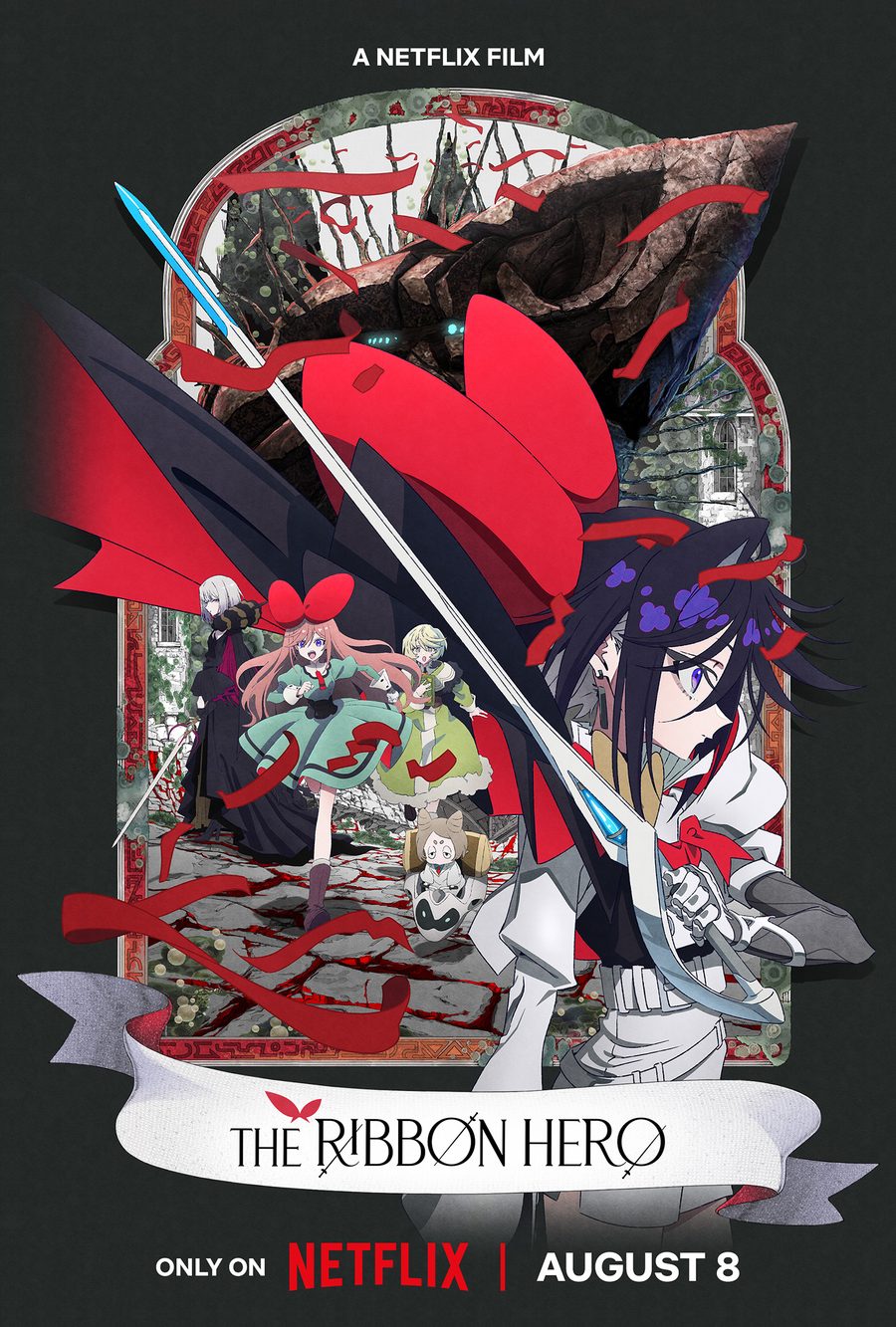
The Ribbon Hero quick facts
| Item | Details |
|---|---|
| Source | Princess Knight (Ribon no Kishi) by Osamu Tezuka, manga 1953 to 1956 |
| Director | Yuki Igarashi (feature debut) |
| Studio | OUTLINE with Twin Engine; distributed by Netflix |
| Character design | Kei Mochizuki, character concept collaboration: Mai Yoneyama |
| Music | Satoru Kōsaki and Ryūichi Takada (MONACA); theme song “Reborn” by Girls Archives |
| Japanese cast | Saya (Sapphire), Seiran Kobayashi (Pine), Kōki Uchiyama (Velvet), Mayumi Shintani (Zirco) |
| Release | August 8, 2026 on Netflix worldwide |
| Runtime | 1 hr 51 min per Netflix (some reviews list 109 minutes) |
| Where to watch | Netflix (English dub available); Netflix Tudum page |
| Critics | Split: RogerEbert.com 2/4, The Guardian 2/5, What's on Netflix 2/5, But Why Tho 7/10, USA Anime B+ (read October 3, 2026) |
| OtaHub score | 8.2/10, Good |
What does “first adaptation” mean for Princess Knight?
“First film adaptation” can mislead, so it is worth being precise. Princess Knight already has a 52-episode TV anime from Mushi Production that aired from 1967 to 1968, plus an 8-minute short from 1999 made for Tezuka Osamu World in Kyoto, according to Anime News Network. The accurate claim is that The Ribbon Hero is the first feature-length anime of the story.
For anyone new to the source it is still a notable detail: Sapphire, a princess born with both a boy's and a girl's heart, is often seen as a prototype of the anime heroine warrior. The film does not try to retell that story as it was. The sections below explain what it changes.
Story: Sapphire and the kingdom that no longer exists
The film opens after Silverland has been devastated by Nergal, a colossal creature. Princess Sapphire, carrying survivor's guilt, travels with her attendant Zirco to the neighbouring kingdom of Goldland to start over. When Nergal threatens her new refuge, Sapphire uses the power of ribbons to fight, earning the name Ribbon Hero.
The biggest departure from the source is thematic. According to But Why Tho, the film moves its focus from gender identity to immigration, religious authority and Goldland's exploitation of migrant labour. RogerEbert.com treats the removal of Tezuka's gender themes as a misstep. Fans of the manga should adjust expectations: you get a story that shares a character name, not a remake of the book.
Visuals: where the film pulls ahead
Almost every critic praises the animation, even those who score the film low. RogerEbert.com calls the movement remarkable, The Guardian notes a wide range of animation styles, and Anime News Network rates the production values as hard to match. But Why Tho describes a hybrid approach mixing collage, physical elements and colourful, fairytale-style backgrounds. What's on Netflix adds black-and-white flashbacks that recall Tezuka's own drawing style.
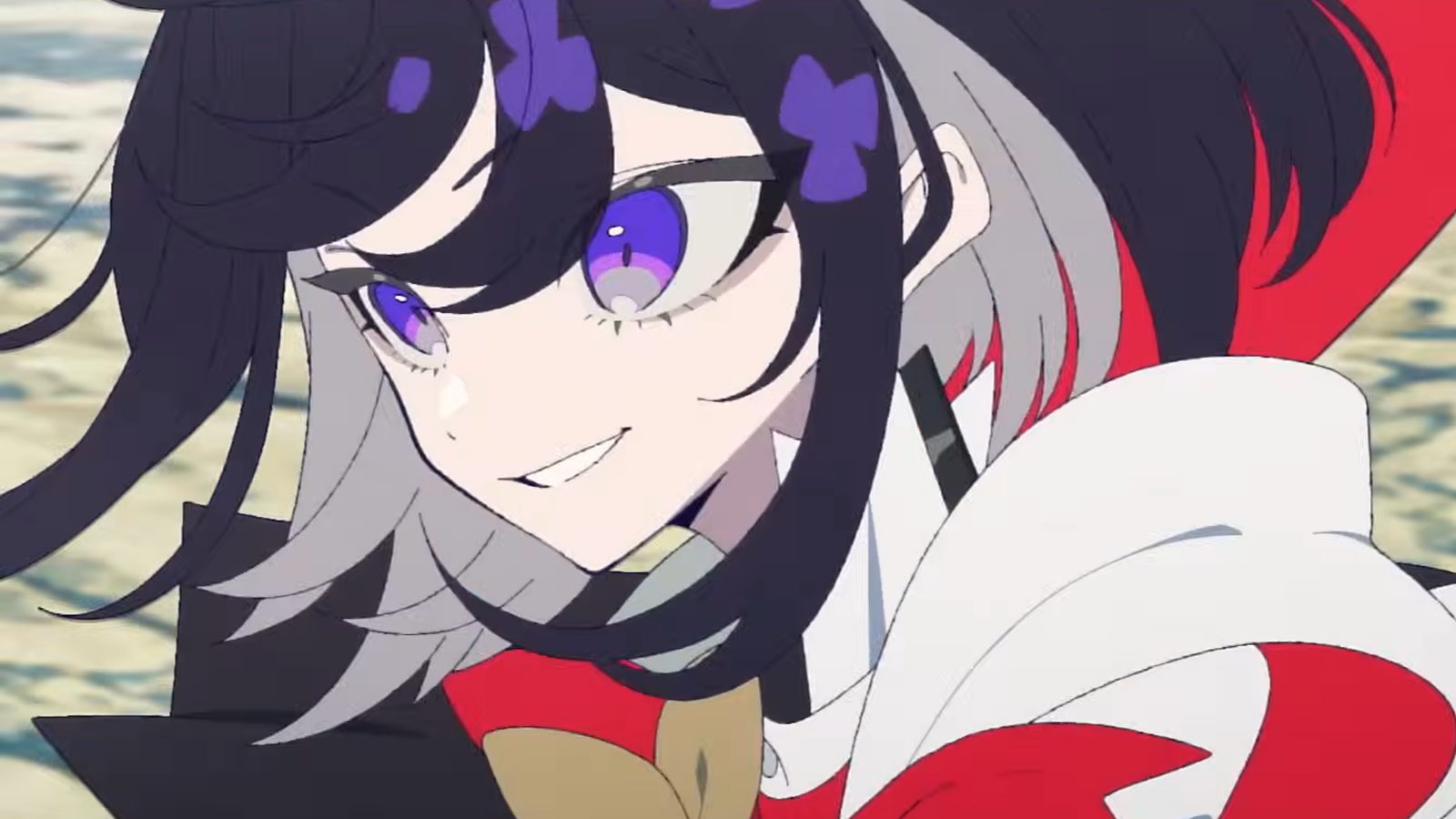
The small complaint raised most often is the 3D-modelled monster. What's on Netflix calls it a generic CG creature, and it also sits less comfortably with the 2D around it. In return, the action and the finale are praised for taking risks: per What's on Netflix, the last stretch swings into Looney Tunes-style rubber-hose animation and drops the serious tone that came before. Some find it exhilarating, others find it jarring. Both reactions are fair.
Music, voice cast and crew
Satoru Kōsaki and Ryūichi Takada of MONACA composed the score, and Girls Archives perform the theme “Reborn”. But Why Tho notes the use of Dvořák's Symphony No. 9 in the finale, and What's on Netflix says classical music lifts the closing scenes. Saya (Lalande) voices Sapphire in her first leading role in a feature, alongside Seiran Kobayashi, Kōki Uchiyama and Mayumi Shintani. Courtney Lin voices Sapphire in the English dub.
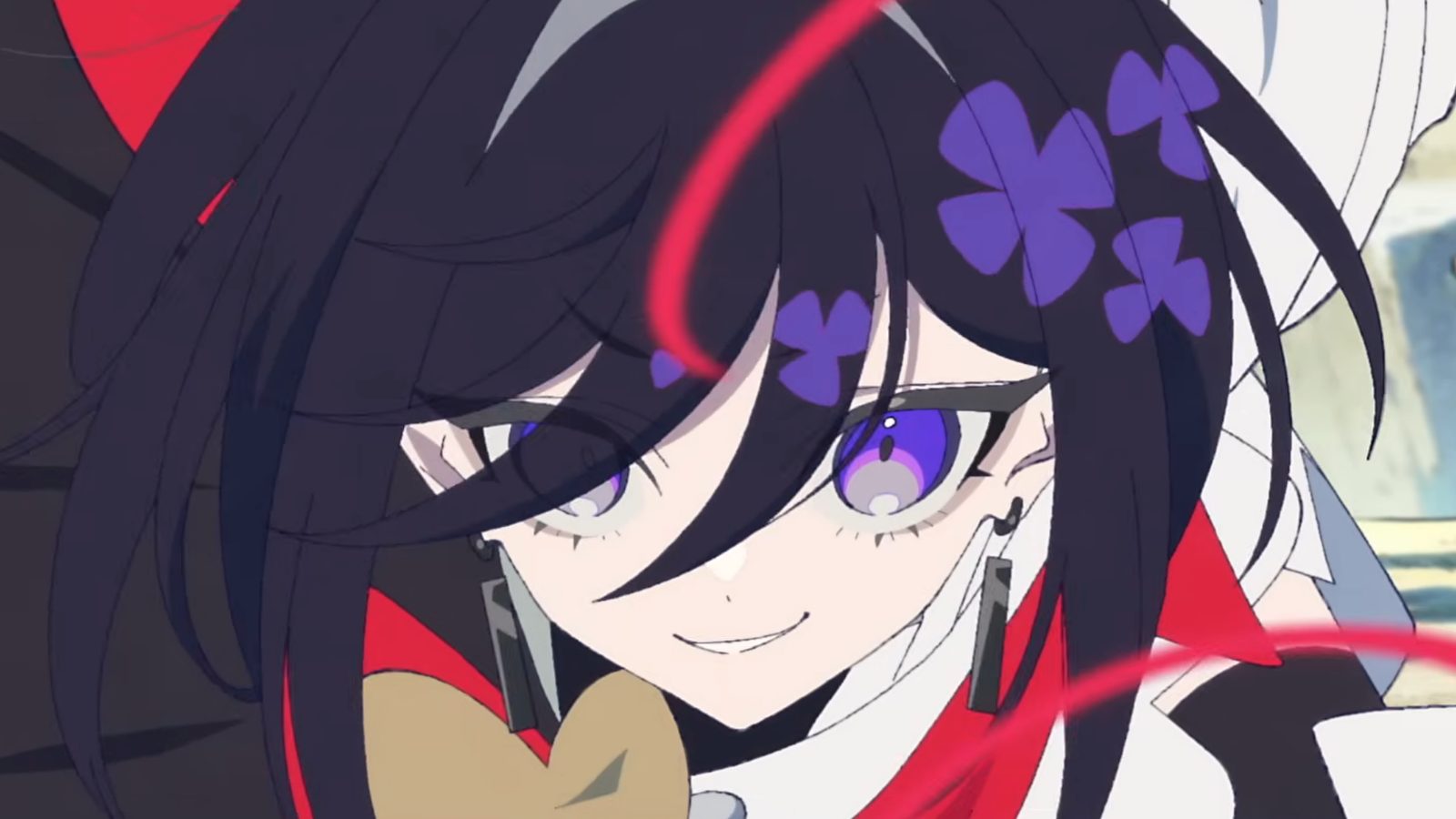
Igarashi has said he put respect for Tezuka and for Ichizo Kobayashi of the Takarazuka Revue into the film, and that he wanted “true mainstream entertainment”. What's on Netflix also notes the theatrical staging of its scenes.
Pacing and supporting cast: where it runs out of breath
Nearly every complaint lands in one place: the story is bigger than the runtime allows. But Why Tho feels 109 minutes is not enough for emotions to settle, and What's on Netflix criticises long expository dialogue and a villain whose motive only emerges in the last twenty minutes. Polygon's Sam Nelson went further, calling the film pretentious and uninspired, as summarised on Wikipedia. USA Anime, by contrast, counts the brisk pace as a plus, since the act-based structure keeps the film moving.
Audiences tend to split into two groups. Viewers who need characters to hold on to are likely to be let down. Those watching for imagery and action will more easily forgive that weakness.
Strengths and weaknesses
Strengths
- Mixed-style animation with rhythmic action and bold use of colour.
- Classical music lifts the closing scenes; both Japanese audio and an English dub are available.
- A finale that takes risks and has its own personality instead of playing safe.
- On Netflix right away, with a compact runtime that suits one evening.
Weaknesses
- Hurried pacing, with much of the world explained through dialogue.
- Thin supporting cast and villain, with motives revealed late.
- Drops the source's gender themes, which will disappoint Tezuka fans.
- The CG monster sits uneasily beside the 2D art.
What critics say
Reaction is sharply divided. RogerEbert.com (Clint Worthington) gave 2/4 stars, praising the animation but criticising the dropped gender themes. The Guardian (Phil Hoad) gave 2/5 and called it an anticlimax despite its many animation styles. What's on Netflix (Rafael Motamayor) also gave 2/5 yet conceded the finale is too much fun to stay angry at. Polygon (Sam Nelson) and Anime News Network (Kennedy) lean negative, with ANN arguing that form outweighs function. On the positive side, But Why Tho (Elijah Gonzalez) scored it 7/10, USA Anime (Theron) gave a B+, and Gizmodo (Isaiah Colbert) praised its warm, hopeful tone.
On Rotten Tomatoes, as of October 3, 2026, there were only 6 critic reviews and fewer than 50 audience ratings, so no figure is reliable enough to quote. OtaHub does not cite an IMDb score because the source could not be verified.
OtaHub's take: our 8.2 sits above the international review consensus above, and we want to say so plainly. The score is high because imagery and action are what the film does best, and because it remains a craft-rich film with rewatch value in its visuals. The story score is lower than the other criteria to reflect the complaints about pacing and supporting characters. If you are watching mainly to see Tezuka honoured faithfully, lower your expectations.
OtaHub score
The overall score is the weighted average of the four criteria, with up to ±0.2 editorial adjustment. See our review standards.
Who should watch The Ribbon Hero?
Watch it if you enjoy richly stylised animation, compact action anime, or are curious about where the anime heroine warrior began. If you just watched Chainsaw Man: Reze Arc and want another image-driven anime film, this is a reasonable pick.
Think twice if you need a tight plot, well-developed characters or a faithful adaptation of Tezuka's themes. The film shifts its focus quite far and leaves little room to breathe.
Frequently asked questions
Where can I watch The Ribbon Hero?
It is a Netflix original, streaming worldwide since August 8, 2026 in Japanese with an English dub.
Is The Ribbon Hero the first adaptation of Princess Knight?
No. Princess Knight already had a 52-episode TV anime from Mushi Production in 1967 and an 8-minute short in 1999. The Ribbon Hero is the first feature-length anime of the story and the franchise's first new anime project in 27 years.
Do I need to read Princess Knight before watching?
No. The film tells its own story about Sapphire in Silverland and Goldland. Readers of the manga will notice a shift in themes, as several critics point out.
How long is The Ribbon Hero and who made it?
Netflix lists a runtime of 1 hour 51 minutes. Yuki Igarashi directed it in his feature debut, with studio OUTLINE producing alongside Twin Engine and character designs by Kei Mochizuki.
What do critics think of The Ribbon Hero?
They are split: RogerEbert.com gave 2/4, The Guardian 2/5, What's on Netflix 2/5, But Why Tho 7/10 and USA Anime a B+, while Gizmodo was warmly positive. Figures read on October 3, 2026.
Sources: The Ribbon Hero page on Netflix Tudum, Anime News Network (production, cast, the 1999 short), Wikipedia (runtime and review roundup), But Why Tho, What's on Netflix, USA Anime, Rotten Tomatoes (figures taken October 3, 2026), plus reviews from RogerEbert.com, The Guardian, Polygon and Gizmodo. The score is OtaHub's editorial judgement under our review standards.