Jujutsu Kaisen's first season gives me the excitement I remember from a great Naruto fight. Characters enter a confrontation with something to protect, struggle against an opponent and make me want to follow them through it. This series retains that direct appeal while building a cast interesting enough to hold my attention outside combat.
It does not make me wait long to discover its strengths. Across 24 episodes, the story expands the world of sorcery, introduces new people and gives them opportunities to matter. Animation, music and pacing work together to preserve what I enjoy about the manga.
A familiar beginning told with conviction
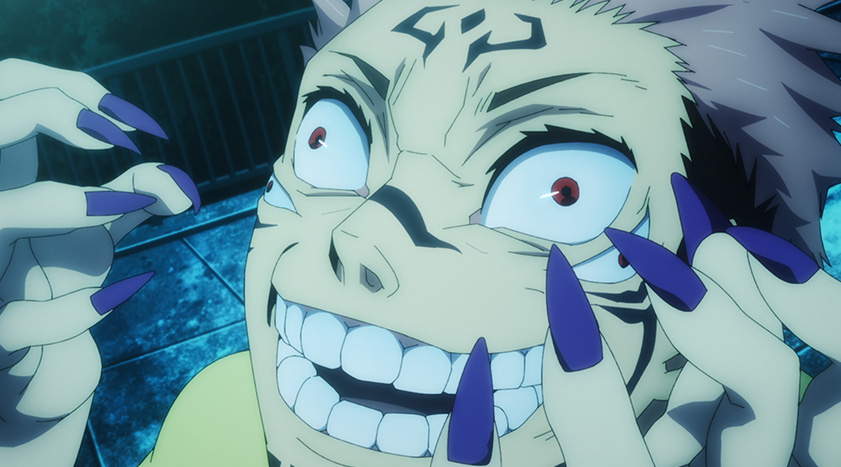
Yuji Itadori is an unusually athletic student. After swallowing one of Ryomen Sukuna's fingers to save others, he becomes the vessel of a dangerous being and enters the world of jujutsu. Collecting the remaining fingers becomes inseparable from his own fate, since the authorities intend to eliminate Sukuna along with his vessel.
The premise makes his situation immediately understandable. Yuji is not simply receiving power and learning to use it: he must live with the danger inside him. Every step in his training carries that tension. He wants to help people, but his continued existence is itself a concern to others.
A student team supervised by a tremendously powerful teacher naturally recalls Naruto. Familiarity does not make this season dull, however. Yuji, Megumi and Nobara respond differently, while Gojo is both unpredictable and reassuring. Their interactions give the established structure an identity of its own.
I also enjoy how closely horror sits beside the action. Cursed spirits arise from negative human emotions, giving the world an unsettling quality before a fight begins. That makes Yuji's work feel more troubling than a straightforward contest of strength, without leaving a newcomer unable to follow the story.
Supporting characters with personalities of their own
The cast is a major reason I rate this season so highly. Megumi is reserved, while Nobara is assertive and unafraid to state an opinion. Beside Yuji's enthusiasm, they form a group whose differences are clear without constant reminders of each personality.
That remains true as the cast expands. Maki and Mai bring family conflict into their relationship as sisters. Inumaki limits his speech to rice-ball ingredients because of the power in his words. Miwa's self-deprecation provides humor, while Todo combines strength with an unmistakable personality. These details make encounters interesting before anyone demonstrates a technique.
Nanami is especially memorable as an accomplished sorcerer with the bearing of an ordinary working adult. His composure gives him a presence quite different from Gojo's. The adults around Yuji consequently feel like more than interchangeable teachers who explain abilities or rescue students.
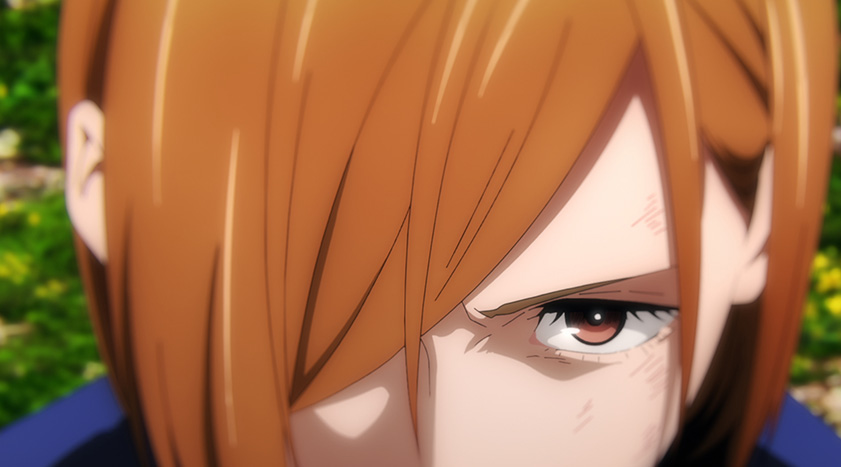
The school exchange event lets fights expose personal disagreements. Maki, Mai and Nobara have different circumstances and convictions, so their confrontations involve more than deciding who is stronger. I appreciate seeing the female characters participate in the conflict and express themselves rather than mainly supporting the boys.
Animation that makes differences in power convincing
The first season's animation is enormously persuasive. Attacks are quick and forceful, with striking color supporting their impact. Cursed energy enhances the physical movement without making me lose track of a character closing in, landing a blow or being pushed back.
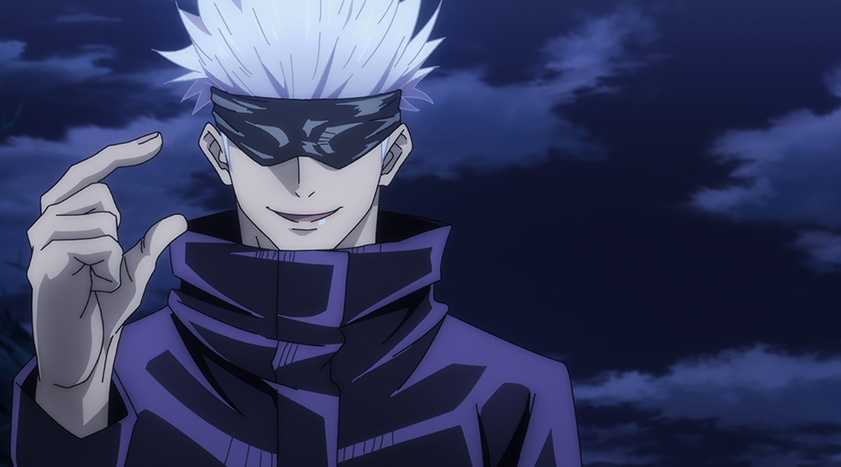
Gojo is the clearest example of conveying a power gap. Against Jogo, his calm and apparent abundance of time contrast with his opponent's agitation. He can even bring Yuji along to observe. The encounter makes his strength credible through its staging rather than relying entirely on the claim that he is exceptionally powerful.
Combat also becomes an expression of personality. Yuji feels direct through his physical strength, while other fighters make me pay attention to how they apply their techniques. This is an important achievement for the adaptation. The manga already has appealing characters, and animation gives them another dimension of presence through movement.
Twenty-four episodes maintain their momentum
One concern I often have with long action series is that interruptions will dissipate the excitement. Jujutsu Kaisen's opening season feels focused. Moving between missions, training and the school exchange still introduces characters, develops relationships or explains abilities that make the next confrontation more interesting.
Good pacing does not mean uninterrupted fighting. Conversations and humor bring the cast closer and provide breathing room before dangerous situations. I want to follow those exchanges too, so time outside combat does not feel like waiting for the next action sequence.
Sunghoo Park and the MAPPA team deliver an adaptation I enjoy as much as the manga. The achievement lies in carrying its appeal into movement, sound and interaction. It does not need to reproduce the act of reading individual panels to preserve what makes the story compelling.
Music that strengthens the climactic moments
The soundtrack works because it supports the excitement of the action. At a fight's peak, music reinforces the impact and the characters' effort. The movement and colors already attract attention; the sound helps those moments become satisfying.
Season one's score is by Hiroaki Tsutsumi, Yoshimasa Terui and Alisa Okehazama. What matters to my assessment is how it functions during the viewing experience. I do not have to identify each track to feel its contribution to momentum and important moments.
I watched with Vietnamese subtitles and enjoyed how the cast interacts. The students' personalities, Gojo's ease and Nanami's composure come across in conversations rather than existing only in introductions. With image and sound supporting those differences, the cast feels much more alive than a list of powers and narrative roles.
An opening season worth following and revisiting
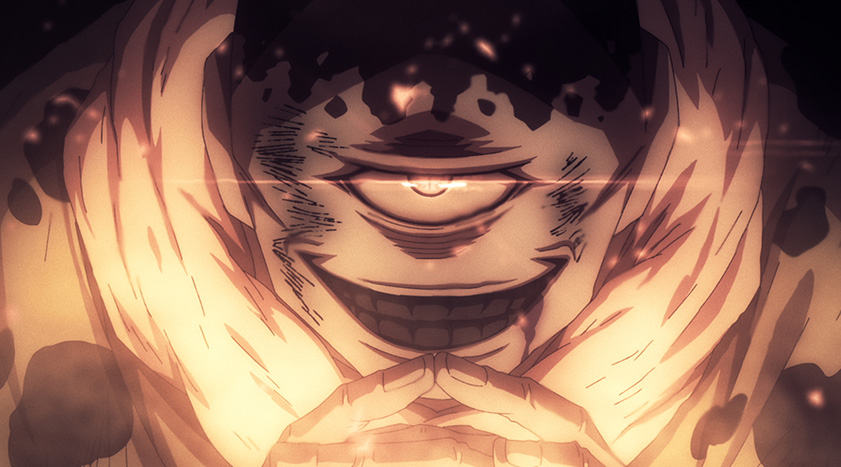
The appeal comes from having many characters to care about and different fighting styles to anticipate. I do not need Yuji on screen for the story to become interesting. Maki, Nanami and Todo can each make a confrontation engaging, while the antagonists provoke enough hostility that I actively want someone to stop them.
That also creates reasons to revisit the season. The fights reward attention to movement, while conversations and disagreements clarify why people act as they do. To me, these episodes are more than preparation for a supposedly greater arc later. They already offer an excellent experience within their own boundaries.
Outstanding action supported by an engaging cast
Jujutsu Kaisen's first season is one of the action anime that has excited me most. Its beginning is familiar, but compelling pacing, distinctive personalities and lively animation prevent that familiarity from becoming a problem. Strong musical support helps the adaptation retain the qualities I love in the manga.
I readily recommend it to viewers who enjoy forceful battles and a cast worth following. OtaHub's 9.5/10 applies specifically to the first 24 episodes and recognizes how well those elements combine into a rewarding opening season.
OtaHub recommendation: Watch now.
Reviewed across all 24 episodes of season one, watched with Vietnamese subtitles and compared with the manga. Discusses the opening premise, character traits and selected encounters without revealing the season’s major outcomes. Later seasons and the prequel film are outside this score.
Production and episode information: episode one · episode seven · episode seventeen · season-one finale · season-one soundtrack credits. Updated October 26, 2026. Images: official season-one episode stills. ©Gege Akutami / Shueisha, Jujutsu Kaisen Production Committee. Review standards.