In-depth · Story & Themes · Spoilers through chapter 271
In chapter 271 of Jujutsu Kaisen, Yuji, Megumi and Nobara are working together again. After the confrontation with Sukuna, their ability to stand beside one another is already something to value. That happiness does not entirely resolve the sense of absence, because winning a battle and reaching emotional closure do not always happen together.
OtaHub finds the ending’s direction appropriate for Yuji, particularly his continuing willingness to give someone a chance to change. What feels less complete is the time spent showing how loss reshapes relationships. The story establishes who can go on living, while the process of learning to live on receives less attention than OtaHub would have liked.
Yuji’s growth appears in how he treats another person
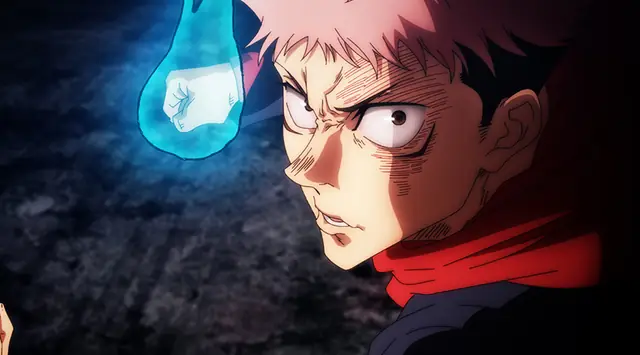
The last mission does not introduce an enemy more terrifying than Sukuna. The trio handles a much smaller incident, after which Yuji offers the curse user a chance to make amends. Ending on this situation returns the story to the work of sorcerers: facing particular people and deciding how to respond to them.
This is where the conclusion convinces OtaHub. Yuji does not have to become colder to demonstrate maturity. He can still recognise that someone standing in front of him might change. That compassion may create difficulties, but it also suggests the fighting has not entirely consumed his ability to care.
This does not mean compassion mechanically defeats Sukuna. The battle’s outcome still depends on the actions and contributions of multiple characters. The distinction is what Yuji chooses after the fighting. He can remain a sorcerer without treating every person who causes harm as an enemy who must be destroyed. That gives the protagonist a meaningful direction beyond victory.
Gojo does not need to return to remain important
Gojo’s death in chapter 236 removes a teacher who provided an enormous measure of security for his students. Judging the ending solely by whether he comes back overlooks a harder question: who will the people he protected become when they can no longer rely on him?
Chapter 271 brings him back in a remembered conversation with Yuji. His confidence concerns the students’ future, even if he is absent from it. Beside Yuji’s handling of the final mission, that memory makes the teacher’s influence visible in a present decision. His legacy need not consist only of a level of strength for someone else to surpass.
A meaningful statement of trust, however, cannot replace every emotion surrounding a death. OtaHub wanted more exchanges showing what Gojo’s absence changes in his students’ lives. That would not require a lengthy memorial or a resurrection. An ordinary conversation in which someone realises they can no longer ask their teacher a familiar question could make the loss feel closer.

Nobara and Megumi deserve more than a return
Nobara returns in chapter 267 and uses Resonance on Sukuna’s finger, while Megumi eventually escapes possession. Bringing the three together again recovers a connection that helped make Jujutsu Kaisen appealing. A routine mission can offer a kind of relief that a grand victory celebration might struggle to provide.
Yet a contribution to resolving the fight and time spent on a person are different things. Nobara can have a decisive function while her life after returning still leaves the reader wanting more. Likewise, saving Megumi does not automatically answer how he will live with what happened. A favourable outcome cannot close every wound by itself.
OtaHub does not need a separate chapter detailing everyone’s future. More individual interactions could instead show how the friends have changed during their separation. Can they still tease one another in the same way? What has become harder to say? These are questions about their present friendship rather than demands for a complete account of the rest of their lives.
Resolving combat and resolving emotion take different work
After a long confrontation, readers may want to understand the decisions that produced the outcome. That interest can coexist with a wish to stay with the characters when immediate survival is no longer their first concern. An explanation of why the victory makes sense may still leave the farewell feeling brief.
Calling the entire final battle rushed does not quite identify what OtaHub misses. A fight can occupy many chapters while its emotional aftermath receives comparatively little space. The issue concerns where the story directs attention. Counting chapters in an arc cannot, on its own, establish whether that attention is well distributed.
A few more moments of friendship or of a teacher’s absence could turn the victory into a more particular experience for the survivors. They need not constantly cry or repeat the names of the dead. Even a habit that no longer receives an answer might help. What matters is seeing an individual response rather than knowing only that the person has returned to work.
Sukuna considering another path is not universal forgiveness
The last chapter’s conversation between Sukuna and Mahito raises the possibility of a different choice if there is another chance. It gives the defeated character another shade: his previous way of living is no longer the only possibility he can contemplate. That recognition nevertheless arrives too late for those who suffered its consequences.
OtaHub does not read this as forgiveness on the victims’ behalf. Imagining another life is not the same as repairing harm. The scene puts the possibility of change beside Mahito’s refusal to move, while echoing Yuji’s willingness to offer another person a chance. Hope can exist without making the past insignificant.
Its lateness also limits the weight of the change. A conversation opens a perspective, but it is not a sustained process of living according to that choice. Preserving this distinction lets the ending remain gentler without requiring the reader to accept that Sukuna has completed a redemption.
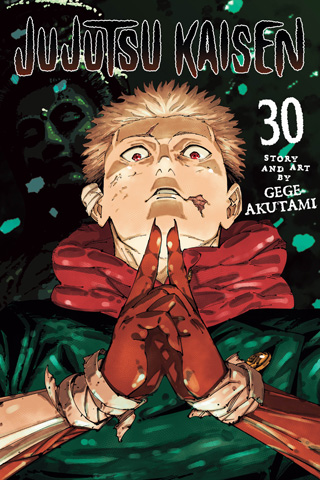
Another view: continuing to live can itself be a farewell
There is a fair alternative reading. Sending the trio on a mission may be the ending’s way of refusing to imprison them in grief. Characters do not have to describe every injury for the reader to know it occurred. Working together and remaining willing to help someone else can also be a form of recovery.
It avoids turning the last chapter into a fixed schedule of everyone’s future. Yuji can face further difficulties without surrendering the qualities that matter to him. This suits a story in which danger does not disappear with the antagonist. The sorcerers still have work to do, and friendship does not require a declaration to continue existing.
OtaHub’s reservation is therefore not that the conclusion becomes quieter. That ordinary life is part of its value. A little more time could have made it feel more distinctly like the life of people changed by their experiences, allowing the pleasure of being together to carry traces of what they cannot recover.
Conclusion
Jujutsu Kaisen closes in a direction that can be understood and appreciated. Yuji still wants to help people, relationships can continue, and Gojo’s influence survives through his students. For OtaHub, what is missing is time for emotion after victory. No resurrection or exhaustive explanation is necessary. More room for the survivors to show what they lost and how they will support one another would have made the farewell feel fuller.
Sources: Shueisha — final volume, VIZ — volume 30, Chapter 271 post-release account, Chapter 267 post-release account, Official commemorative illustration. Publication details are checked against the publishers; plot details are cross-checked through post-release accounts. Interpretation: OtaHub. Images: Shota Goshozono / Jujutsu Kaisen official account; Gege Akutami / Shueisha / VIZ.