Paramount and Warner Bros. are about to share one roof, and that roof is called Skydance. On October 2, 2026, CEO David Ellison revealed the new name on X, days before the roughly $111 billion deal closes. Both century-old studios keep their own names, but for anyone who watches HBO Max or plays Warner Bros. games, the real questions are the ones nobody has answered yet.
Quick facts
| Item | Details |
|---|---|
| New company name | Skydance (ticker SKYD, moving from Nasdaq to the NYSE) |
| Announced | October 2, 2026, in a post by David Ellison on X |
| Expected closing | Tuesday, October 6, 2026 |
| Deal value | About $110–111 billion, $31 in cash per Warner Bros. Discovery share |
| Leadership | David Ellison (chairman and CEO), Ynon Kreiz (co-CEO, former Mattel CEO) |
| Brands kept | Paramount, Warner Bros., CBS, HBO Max, Paramount+, DC, Nickelodeon, CNN |
| Not announced | Whether HBO Max and Paramount+ merge, plans for Warner Bros. Games |
Who is Skydance, and how did it end up owning Warner Bros.?
Skydance is the studio David Ellison founded in 2006. The name is tied to the Mission: Impossible films and Top Gun: Maverick, which it co-produced with Paramount. In August 2025 Skydance closed its acquisition of Paramount, and the parent company became Paramount Skydance.
A few weeks later Ellison went after Warner Bros. Discovery. In roughly 18 months, a mid-sized studio has swallowed two of Hollywood’s biggest names. Now the Skydance name goes on the whole group.
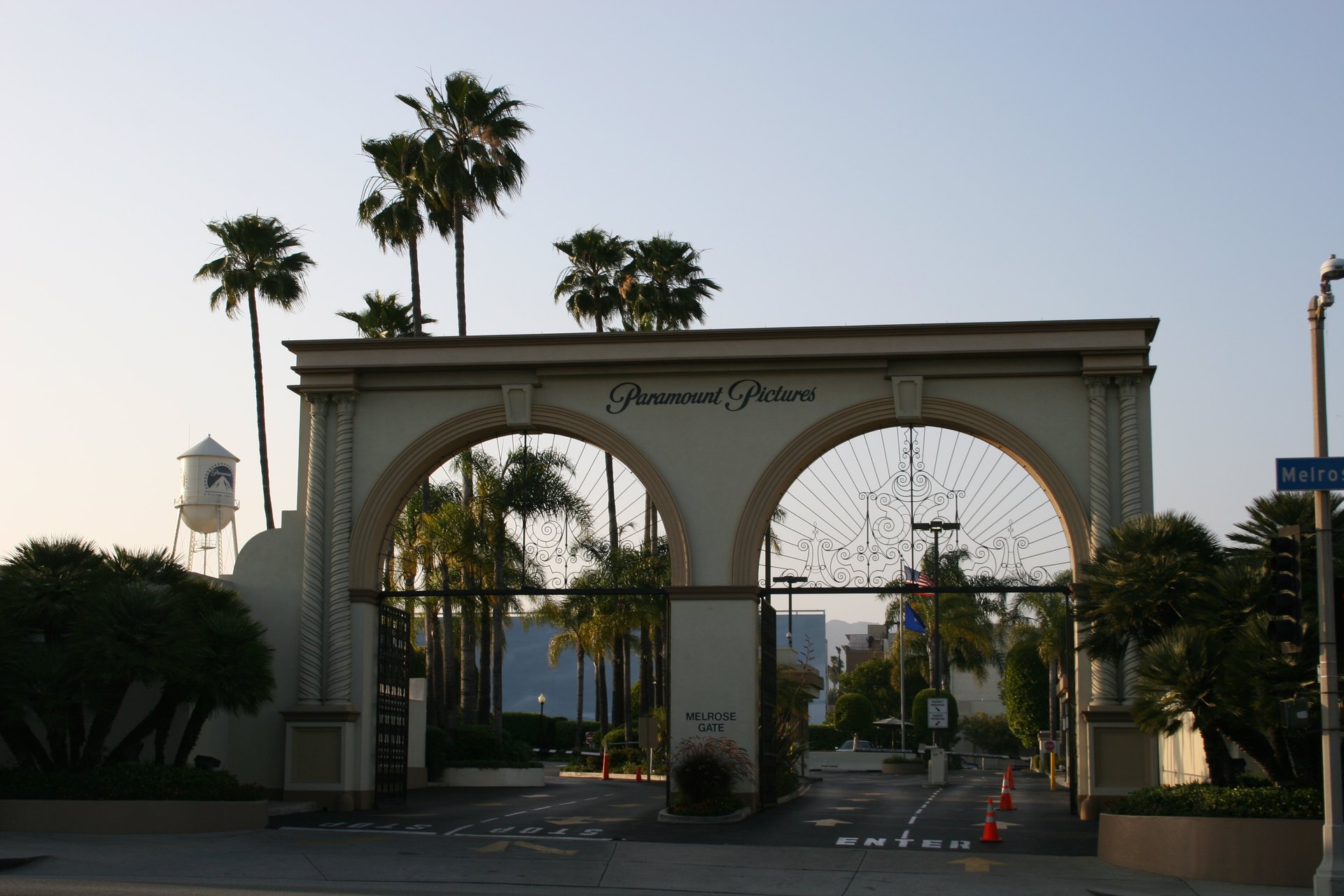
Skydance is the parent name; Paramount and Warner Bros. stay
Ellison was clear that the new name is not meant to overshadow either studio. In his post he said both have distinct identities and legacies that have resonated with audiences for generations, so the company needed a name of its own that lets Paramount, Warner Bros. and their other brands stay in the spotlight.
The post came with a sizzle video. Its final card puts the Skydance logo in the middle, surrounded by the two studios plus CBS, HBO Max, Paramount+, DC Comics, Nickelodeon and CNN. The Hollywood Reporter read that card as a hint: the studios and streamers keep their identities, while CBS (broadcast and sports), Nickelodeon (kids and family) and CNN (news) each anchor their own part of the business.
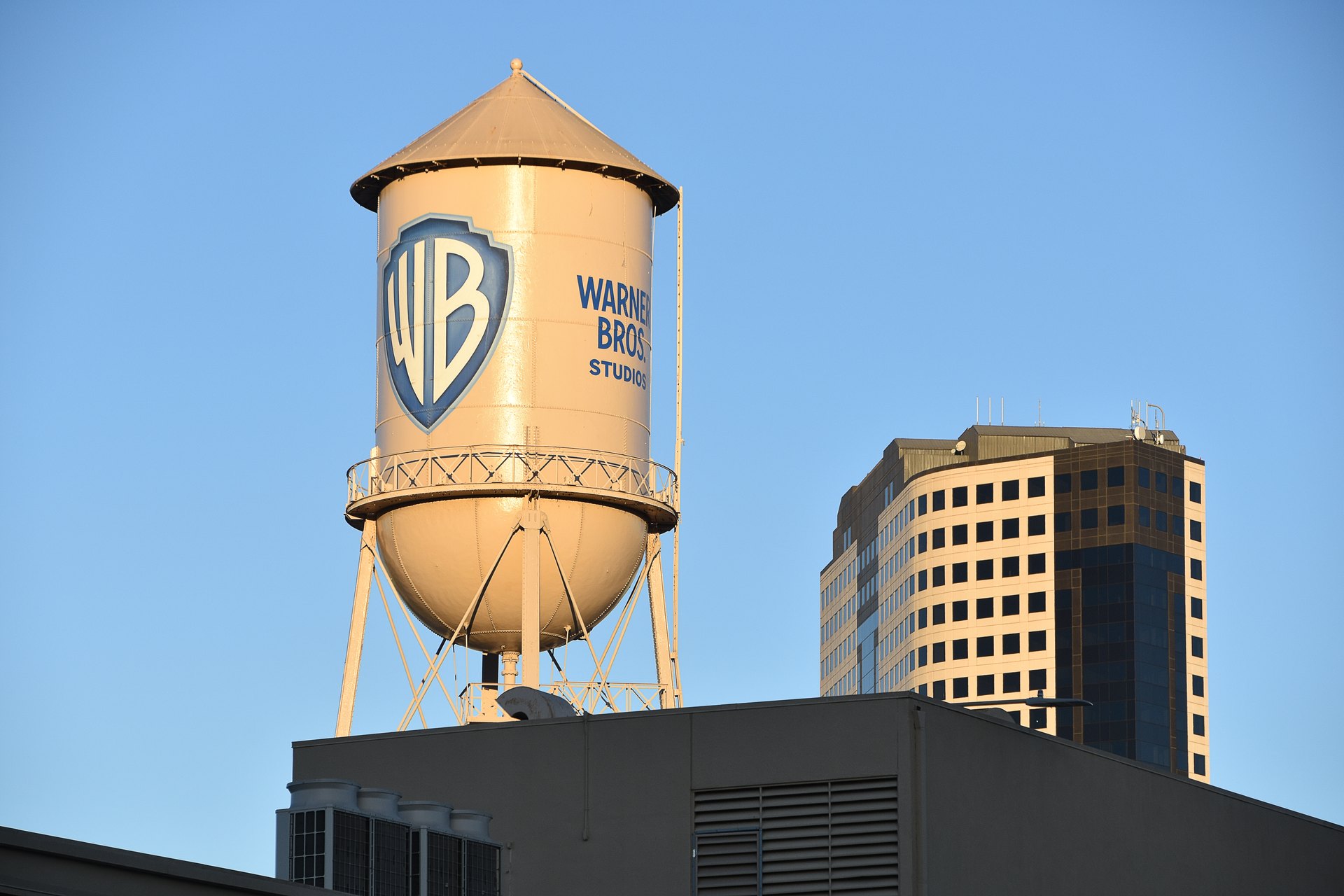
In other words, you will not see a Skydance logo replacing the Warner Bros. water tower before every film. This “one parent name, many consumer brands” setup is common in the US: Comcast owns Universal, but nobody buys a movie ticket because of the word Comcast.
From Netflix to Paramount: a last-minute change of owner
The race for Warner Bros. lasted almost a year, and for a while it looked like Netflix had won:
- December 2025: Netflix announces a deal to buy Warner Bros. Discovery’s studios and streaming business for about $82.7 billion.
- December 2025 to February 2026: Paramount Skydance pursues an offer for the whole company and finally raises it to $31 in cash per share.
- February 26, 2026: Warner Bros. Discovery deems Paramount’s offer “superior.” Netflix withdraws and receives a $2.8 billion termination fee paid by Paramount.
- September 21, 2026: Paramount settles a legal challenge from 12 states led by California. A court then clears the deal to close.
- October 2, 2026: Ellison announces the Skydance name. Closing is expected on October 6.
Alongside Ellison, former Mattel CEO Ynon Kreiz becomes co-CEO, running day-to-day operations and the integration of the two companies. Other leadership roles have not been announced.
HBO Max and Paramount+: one app or two?
This is what viewers care about most, and it is still unanswered. US outlets, including GamesRadar+, have raised the idea of HBO Max and Paramount+ becoming one service. Skydance has not announced a name, pricing or timeline.
A combined library would be huge: HBO, DC, Harry Potter and Game of Thrones from Warner Bros., plus Star Trek, Nickelodeon and Paramount’s films. CNBC, citing Rentrak data, says the two studios plan to release 35 theatrical films next year. For viewers, one app instead of two could save money, or it could simply mean a pricier bundle. Rising prices are not just a streaming story either: AAA games are moving to $70–80 per title.
Hogwarts Legacy, Mortal Kombat and Warner Bros. Games
For players, this is the part worth watching. Warner Bros. Games holds major franchises: Hogwarts Legacy, Mortal Kombat, Game of Thrones and DC games such as the Batman: Arkham series. Since late 2024 the publisher has narrowed its focus to those four franchises, and in early 2025 it closed Monolith Productions, the studio behind Middle-earth: Shadow of Mordor.
According to TheWrap, Paramount barely mentioned games on its investor call after signing the deal. Paramount is also targeting about $6 billion in cost savings after the merger, mostly from overlapping functions such as back office, finance and technology. There is no report that Warner Bros. Games will be sold or shrunk, but when a division goes unmentioned in the plan, fans have reason to worry.
On the brighter side, Paramount knows how to bring games to the screen: the Sonic films it releases are among the most successful video game adaptations. A company that owns Mortal Kombat and Hogwarts Legacy and also has the Sonic playbook has plenty to work with, at least on paper.
A bit of history: Crunchyroll used to be a Warner company
Anime fans may have forgotten, but Crunchyroll used to sit inside WarnerMedia. In 2021 AT&T, WarnerMedia’s former owner, sold Crunchyroll to Sony for about $1.175 billion. Sony later folded Funimation into Crunchyroll, creating today’s largest anime streaming service. Crunchyroll is now also releasing Makoto Shinkai’s next film with Sony.
Warner Bros. Discovery still owns Adult Swim, home of the Toonami anime block on US television. Netflix, the losing bidder here, remains one of the biggest investors in anime, most recently with The One Piece from WIT Studio. This Hollywood deal will not directly change the anime you watch, but it decides who controls some of the largest film and TV libraries in the world.
OtaHub’s take
The Skydance name itself does not matter much. As The Hollywood Reporter points out, Hollywood parent companies often carry names audiences never notice. What matters is the next 6–12 months after October 6: whether HBO Max and Paramount+ merge, what the plans cost, and whether Warner Bros. Games still gets funding for the next Hogwarts Legacy.
OtaHub noticed one small detail: the closing card showing eight flagship brands has no games logo on it. That may just be layout. But for a company looking for $6 billion in savings, leaving off Hogwarts Legacy, one of the best-selling games of 2023, is something players should keep in mind.
FAQ about the Paramount and Warner Bros. deal
What is the new name of the merged Paramount and Warner Bros. company?
Skydance. CEO David Ellison announced it on X on October 2, 2026. It is the name of the studio he founded in 2006. Paramount and Warner Bros. keep their names as studios under the parent company.
When does the Paramount and Warner Bros. deal close?
Paramount Skydance expects the deal to close on Tuesday, October 6, 2026, after a court approved its September 21 settlement with a group of 12 states led by California. The stock will trade as SKYD on the NYSE.
Will HBO Max and Paramount+ merge into one service?
Nothing has been announced. US outlets have raised the possibility, but Skydance has not shared a name, pricing or timeline. In the announcement video, HBO Max and Paramount+ still appear as separate brands.
What happens to Hogwarts Legacy and Mortal Kombat after the deal?
It is not clear yet. Warner Bros. Games is focused on four franchises: Hogwarts Legacy, Mortal Kombat, Game of Thrones and DC. According to TheWrap, Paramount barely mentioned the games business in its investor materials and calls.
Why did Netflix not end up buying Warner Bros.?
In December 2025 Netflix agreed to buy Warner Bros. Discovery’s studios and streaming business for about $82.7 billion. In February 2026 Paramount raised its offer for the whole company to $31 per share, Warner Bros. Discovery accepted it, and Netflix walked away with a $2.8 billion termination fee.
Sources: David Ellison’s post on X, The Hollywood Reporter, GamesRadar+, CNBC, TheWrap, Warner Bros. Discovery SEC filings.