More than 11 years after launch, The Witcher 3: Wild Hunt is back in the spotlight: the Remastered edition arrived on September 29, the game has sold over 65 million copies, and it is 50% off on Steam until October 8. If this is your first time holding Geralt’s silver sword, OtaHub will not walk you through every step like a walkthrough does. Instead, here is the map: where to go first, which quests not to skip, when to play the DLC, and which choices decide Ciri’s fate.
Quick facts
| Item | Details |
|---|---|
| Latest version | The Witcher 3: Wild Hunt — Remastered (September 29, 2026), free for existing owners |
| Remastered platforms | PC, PS5, Xbox Series X/S, Nintendo Switch 2 |
| Steam price | $24.99 (50% off $49.99) until October 8, 2026 |
| Length | About 40–60 hours main story, around 100 hours with side quests |
| DLC | Hearts of Stone (level 30+), Blood and Wine (level 34+), Songs of the Past (planned for 2027) |
| Main endings | 3: Ciri becomes a witcher, an empress, or a tragic ending |
The big picture: four stages of finding Ciri
The Witcher 3’s main story splits into four clear stages. Knowing this structure up front helps when the map opens up and fills with question marks.
- Prologue (White Orchard): Geralt and Vesemir follow Yennefer’s trail to the village of White Orchard. The chain runs through Kaer Morhen, Lilac and Gooseberries, The Beast of White Orchard, The Incident at White Orchard, and ends with Imperial Audience in Vizima, where Emperor Emhyr hires Geralt to find Ciri.
- Act 1 (Velen, Novigrad, Skellige): three leads in three regions, each with its own questline. You can tackle them in any order.
- Act 2: every lead points to the ugly creature called Uma at Crow’s Perch. The act ends with the big battle at Kaer Morhen (recommended level 24).
- Act 3: final preparations for the fight against the Wild Hunt, unfinished business in Velen, Novigrad and Skellige, and the ending.
A small tip for White Orchard: the village works as a training ground full of short side quests. Clearing them before you leave keeps your level on track and teaches you how the game tells its stories.
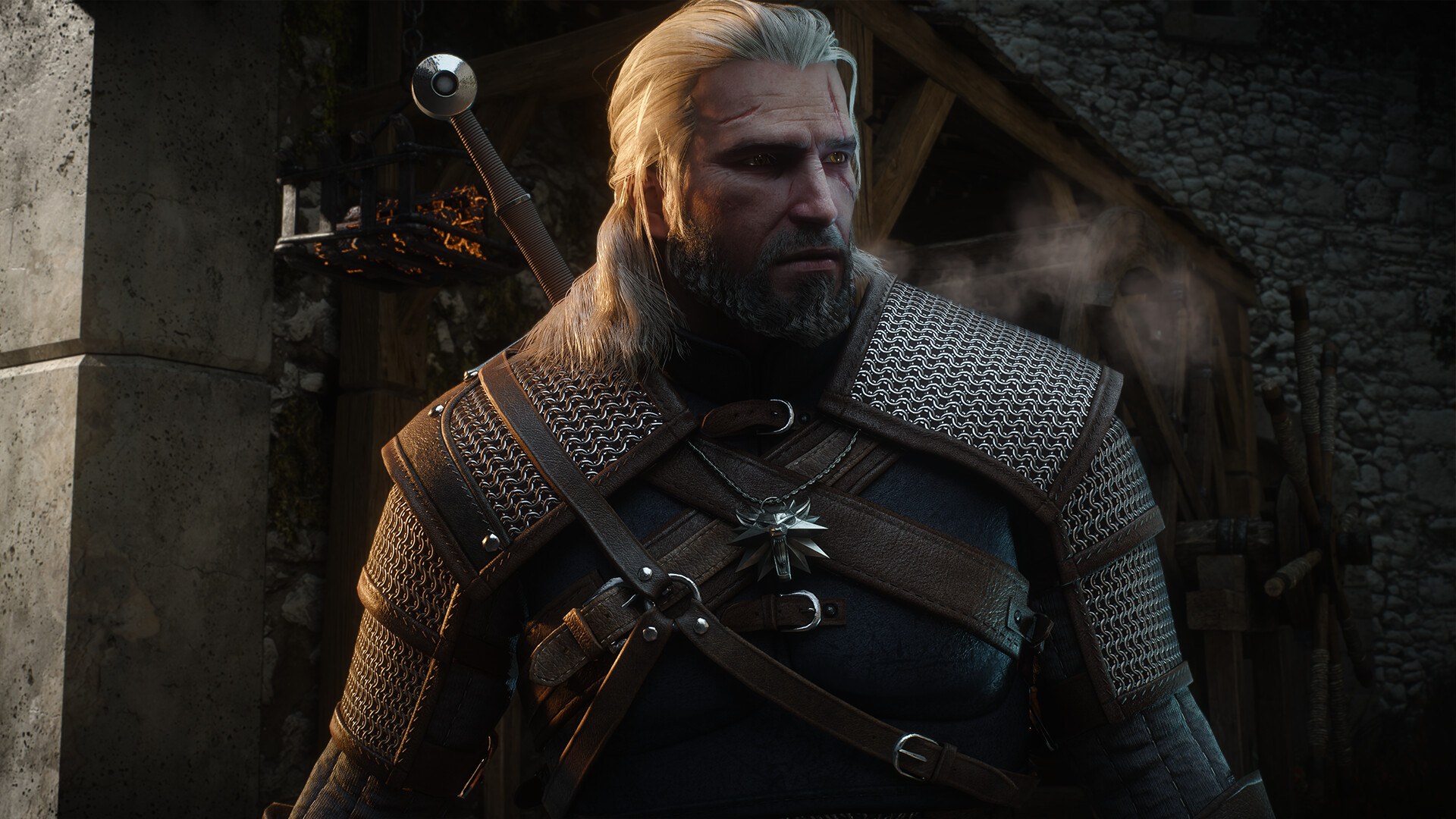
Which Act 1 region should you visit first?
The game does not force an order, but OtaHub recommends Velen first, then Novigrad, then Skellige. Velen shows the weight of your choices most clearly, with the story of the Baron at Crow’s Perch and the mysterious witches of Crookback Bog. Novigrad is the largest city, where Geralt reunites with Triss Merigold and searches for his bard friend Dandelion. Skellige is a chain of six islands across the sea, where you get pulled into deciding who will rule.
Following this order, the difficulty ramps up naturally, and you reach Skellige once you are comfortable with combat and crafting.
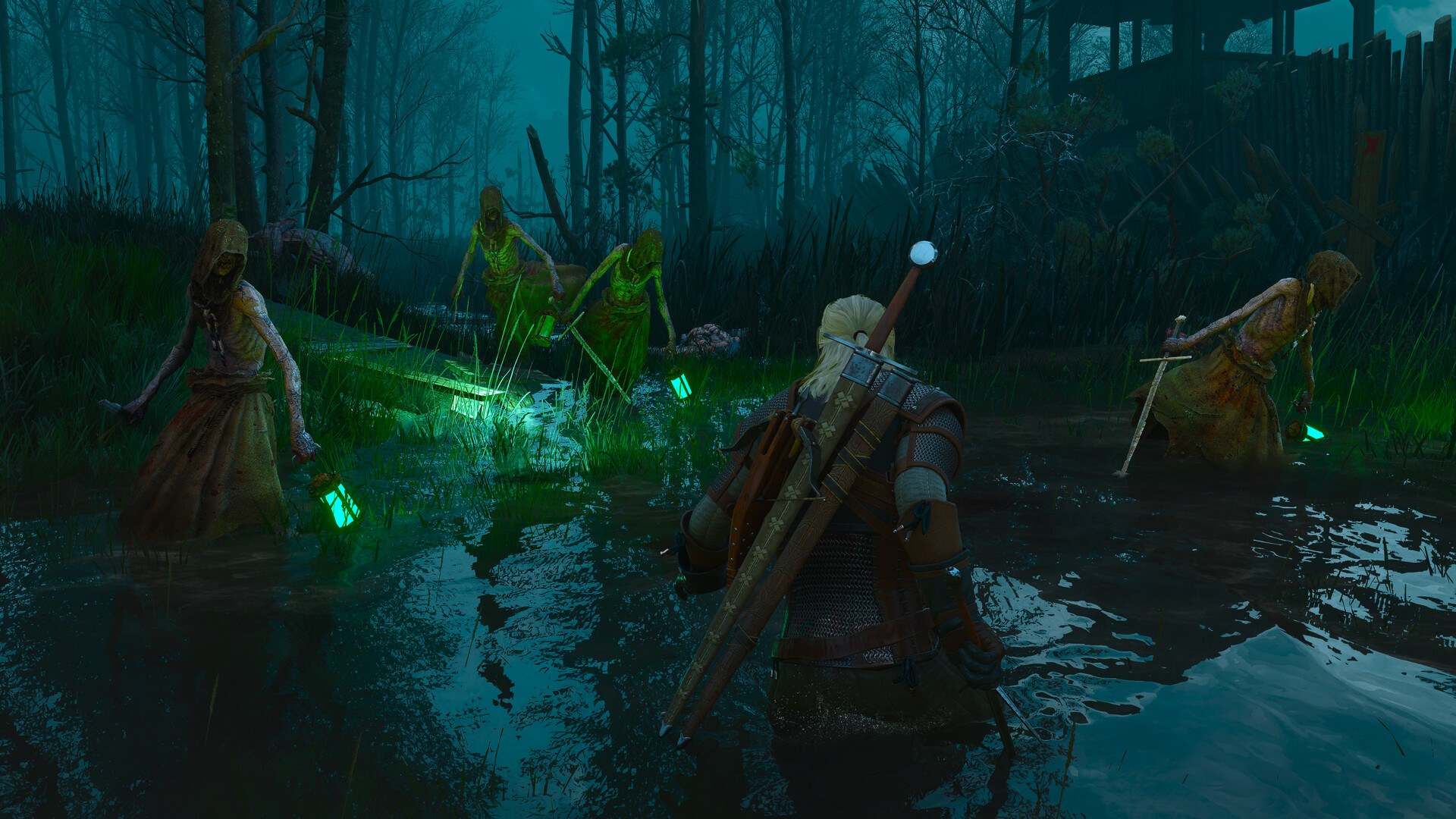
Side quests not to miss in each region
The Witcher 3 is famous for side quests as good as its main story. These are worth prioritizing:
- Velen: The Return to Crookback Bog (after the Baron questline), Magic Lamp and An Invitation from Keira Metz with its follow-up chain, plus the monster contracts once you reach Oxenfurt.
- Novigrad: A Favor for Radovid, An Eye for an Eye, Redania’s Most Wanted, A Matter of Life and Death (with Triss), Cabaret and Carnal Sins (with Dandelion).
- Skellige: The Lord of Undvik, Possession, King’s Gambit, and The Last Wish if you want to pursue Yennefer.
Most important of all is the Brothers in Arms chain. Before the Battle of Kaer Morhen, the game lets you recruit allies across the regions, and the more characters you helped in side quests, the more people stand with you in the fight. One more warning: the side quest Berengar’s Blade fails if you start the council at Kaer Morhen before finishing it.
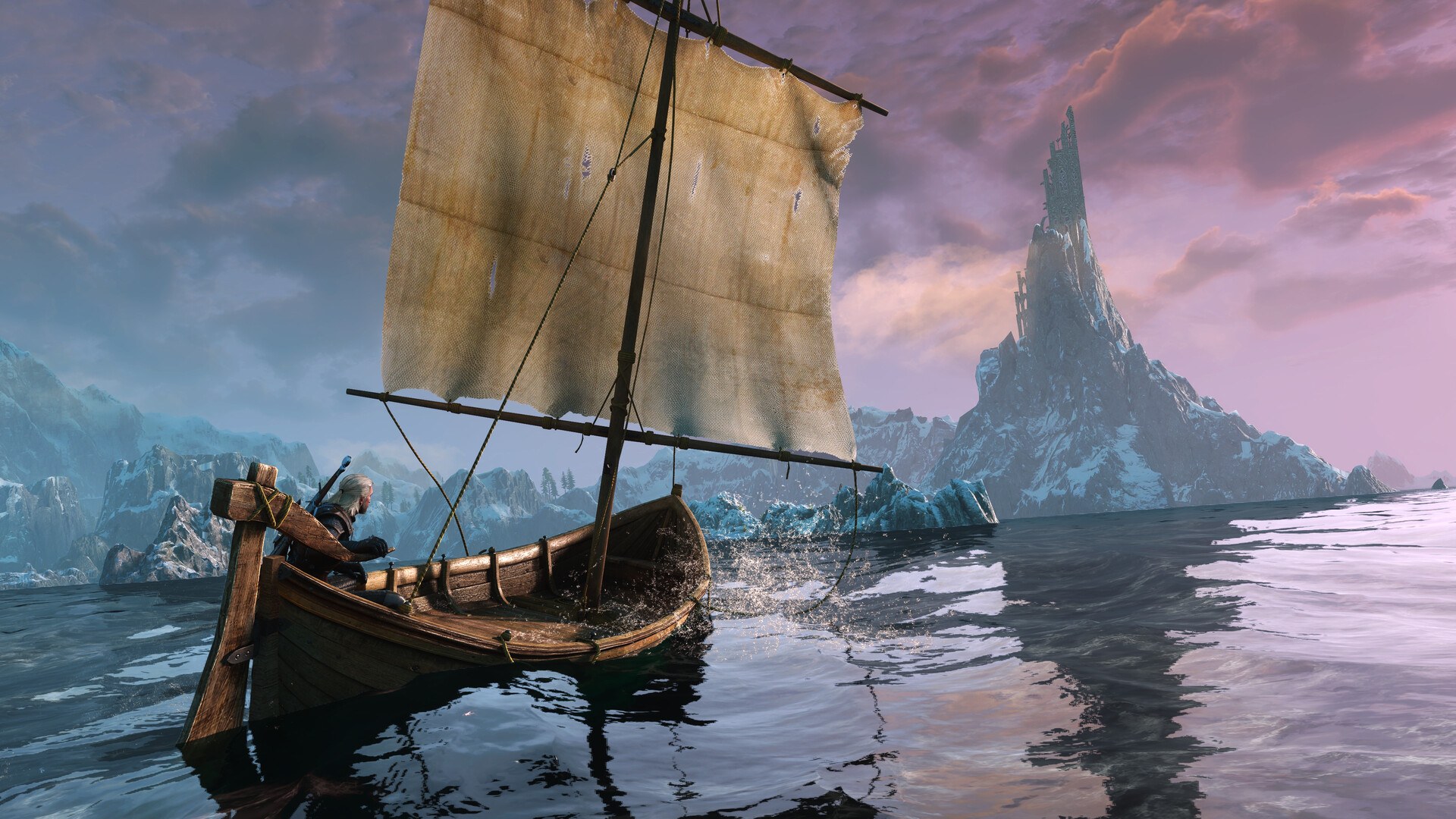
The 5 choices that decide Ciri’s ending
Spoiler warning: this section covers Act 3 choices and the game’s three endings. Skip it if you want to experience them yourself.
The Witcher 3’s ending is not decided by one answer but by how Geralt treats Ciri across several moments. Each gives a positive or negative point:
| Quest | Positive | Negative |
|---|---|---|
| Blood on the Battlefield | “I know what might lift your spirits” (the snowball fight) | “Relax, you don’t have to be good at everything” |
| Blood on the Battlefield, if you take Ciri to Emhyr | Refuse the payment | Accept the payment |
| Final Preparations | Let Ciri meet the Lodge of Sorceresses alone | Go with her |
| Child of the Elder Blood | “Go for it” (let Ciri vent) | “Calm down” |
| Child of the Elder Blood, after the lab | Go with Ciri to Skjall’s grave | Don’t go |
- Witcher ending: as many or more positive points than negative. If you took Ciri to see Emhyr, Nilfgaard must lose the war.
- Empress ending: 3 or more positive points, Ciri must meet Emhyr, and Nilfgaard must win. That last part takes work: complete the assassination quests, be diplomatic with Dijkstra in Blindingly Obvious to unlock Reason of State, then side with the Temerian patriots in that quest.
- Tragic ending: 3 or more negative points.
OtaHub’s advice: do not play to “optimize” the ending on your first run. Answer the way you think a father would. Most players who do that land on a good ending naturally.
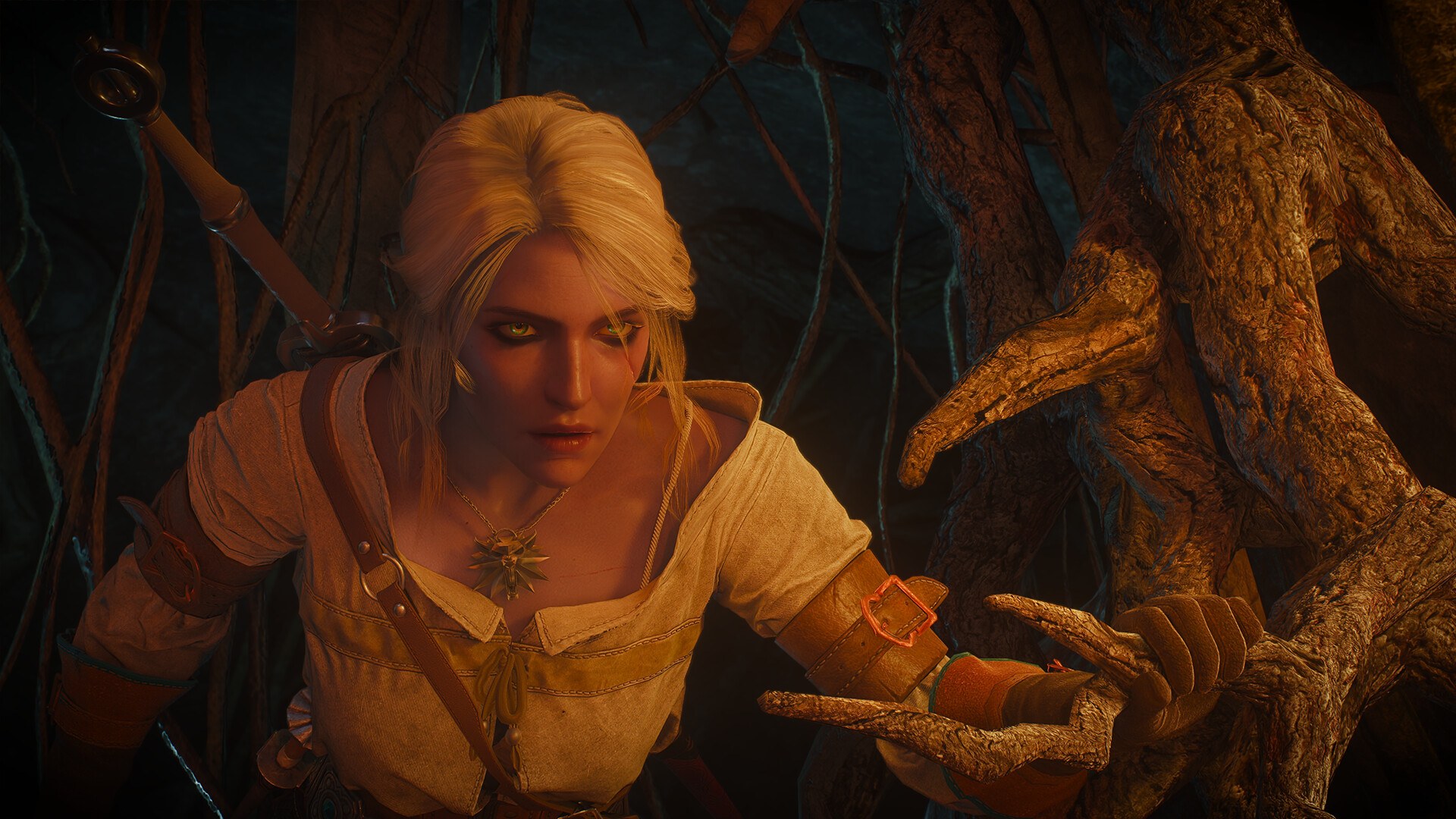
Triss or Yennefer?
Geralt can commit to one of them. For Triss, complete A Favor for Radovid and A Matter of Life and Death, then in Now or Never ask her to stay with “Stay. I love you.” For Yennefer, it is The Last Wish in Skellige, where you choose to tell her you love her at the end.
Do not try for both. If Geralt declares his love to both Triss and Yennefer, they team up to get their revenge and he ends up alone. It is one of the funniest scenes in the game, but probably not what you want on your first playthrough.
Hearts of Stone and Blood and Wine: when to play
- Hearts of Stone: meant for level 30 or higher, starting from a job notice in Velen. A story about a pact with the mysterious Gaunter O’Dimm, often called the best-written part of the whole game.
- Blood and Wine: meant for level 34 or higher, taking Geralt to sunny Toussaint. It is a huge expansion, almost a game of its own. Its final quest only triggers after you finish the base game’s ending.
- Songs of the Past: the third expansion, planned for 2027.
OtaHub’s suggested order: Hearts of Stone after Act 2, then Blood and Wine after the main story as a fitting farewell to Geralt.
PC requirements for the Remastered edition
| Minimum | Recommended | |
|---|---|---|
| OS | Windows 11 64-bit | Windows 11 64-bit |
| CPU | Core i5-8400 / Ryzen 5 2600 | Core i7-8700K / Ryzen 5 3600X |
| RAM | 12 GB | 16 GB |
| GPU | GTX 1660 / RX 5500 XT 8 GB / Arc A580 (6 GB VRAM) | RTX 2060 Super / RX 6600 XT / Arc B580 (8 GB VRAM) |
| Storage | 60 GB SSD | 60 GB SSD |
Note that the Remastered edition requires Windows 11 and an SSD even at minimum spec, noticeably heavier than the 2015 original.
A few tips for newcomers
- Read the bestiary: it lists each monster’s weaknesses, and using the right blade oil and sign makes fights much easier.
- Save manually before important conversations, especially in Act 3.
- Try Gwent: the in-game card game can be as addictive as the main story.
- Take your time: quests that look like chores often lead to the game’s best stories.
OtaHub’s take
2026 is a great time to start The Witcher 3 for the first time, or to replay it. The Remastered edition may not please everyone, as OtaHub noted in its Remastered review, but it is free for existing owners, and $24.99 on Steam right now is a very fair price for more than a hundred hours. More importantly, CD Projekt Red has laid out its schedule: Songs of the Past in 2027 and The Witcher 4 in 2028. Finishing The Witcher 3 now is the best way to be ready for both.
If you want to explore the rest of this universe, see 7 The Witcher games worth playing in 2026.
FAQ about The Witcher 3
How long is The Witcher 3?
It depends on how you play: roughly 40–60 hours for the main story, around 100 hours with most side quests, and 170+ hours for a completionist run. Hearts of Stone adds roughly 10–20 hours and Blood and Wine roughly 15–45 hours.
How do you get the best Ciri ending in The Witcher 3?
The Witcher ending, where Ciri becomes a witcher, is widely seen as the best. You need as many or more positive than negative choices across the 5 Ciri moments in Act 3, and if you took Ciri to see Emhyr, Nilfgaard must lose the war.
When should I play Hearts of Stone and Blood and Wine?
Hearts of Stone is meant for level 30 or higher, and Blood and Wine for level 34 or higher. Both can be played before or after the main story ends, but Blood and Wine’s final quest only triggers once the base game’s ending is complete.
Should I play the original or the Remastered version?
The Remastered edition launched on September 29, 2026 for PC, PS5, Xbox Series X/S and Nintendo Switch 2, free for existing owners. Its visuals are debated, but if you buy the game on Steam today, you get the Remastered version.
Does The Witcher 3 Remastered need a powerful PC?
More than the original. The minimum spec calls for Windows 11, a Core i5-8400 or Ryzen 5 2600, 12 GB of RAM, a GTX 1660-class GPU with 6 GB of VRAM, and 60 GB on an SSD.
Sources: IGN (The Witcher 3 Walkthrough), Witcher Wiki (ending conditions, quests, DLC levels), Wikipedia, CD Projekt, the Steam page for The Witcher 3: Wild Hunt — Remastered (price and requirements checked October 5, 2026).