In-Depth · Design & Craft · No spoilers
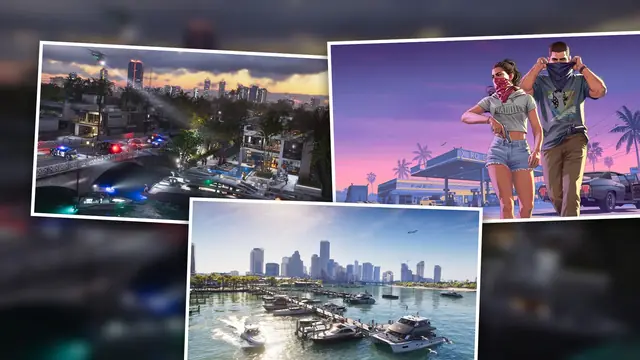
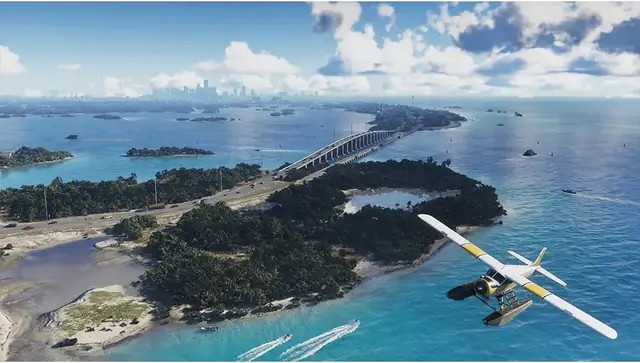
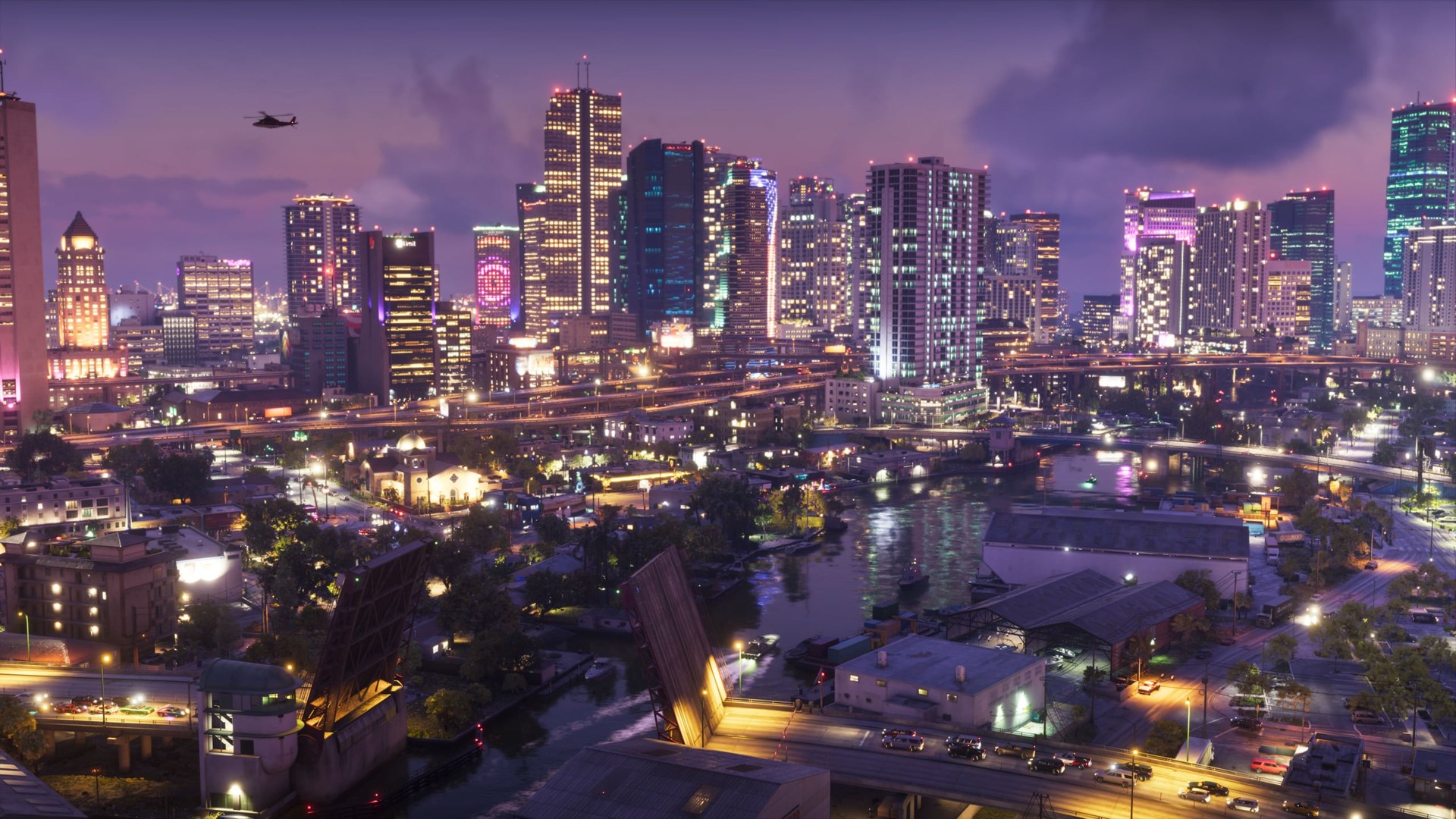
Rockstar, the studio behind GTA, says the GTA 6 map is twice the size of GTA 5’s. Reviewers who have played the game talk more about how sharply each region of the state of Leonida differs from the next. In OtaHub’s reading, those regions follow one another so well that the trip from the Keys in the south, through Vice City, to the forests in the north feels like a journey.
Quick context before the argument
- Rockstar and GTA 5: Rockstar Games makes the GTA series. GTA 5, released in 2013, is the previous main game.
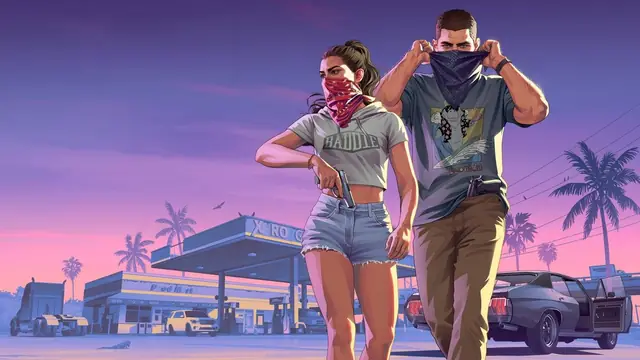
- Leonida: the fictional state inspired by Florida where GTA 6 takes place. Vice City is the city inspired by Miami. The two leads are Jason and Lucia.
- The regions: Rockstar’s Only in Leonida page, which introduces the game’s places and characters, names six: Vice City, Leonida Keys, Grassrivers, Port Gellhorn, Ambrosia and Mount Kalaga.
- Sources: PC Gamer, IGN, GamesRadar and The Guardian are the outlets that published reviews or hands-on pieces at launch. The piece calls their writers "reviewers".
- How the piece talks about size: it uses the "twice as big" claim Rockstar made. Reviewers’ hours show how wide the map is for each person, not an exact measure.
- Lummox County: a county in the north that GamesRadar mentions, near Mount Kalaga.
- What it does not claim: no source says Rockstar deliberately built the map to run south to north. That is OtaHub’s reading of what players describe.
How big is the map?
According to the PC Gamer reviewer who played about 100 hours, Rockstar says the map is twice as big as GTA 5’s, and it feels bigger than "twice as big" usually does. "Double" gives you scale against the previous game, but it does not say how long the world takes to cross.
Hours played are easier to picture. Three reviewers finished the main story and still had not seen the whole map: IGN’s reviewer needed more than 120 hours to reach the credits and still has regions left to visit, GamesRadar’s reviewer needed about 80 hours before driving up to Lummox County in the north and says they still know nothing about the northern border of Leonida, and The Guardian’s reviewer finished the story in 70 hours but says it could have taken far longer. The hours differ because each person plays differently, yet the first two show that the main story covers only part of the map.
Where does the game start on the map?
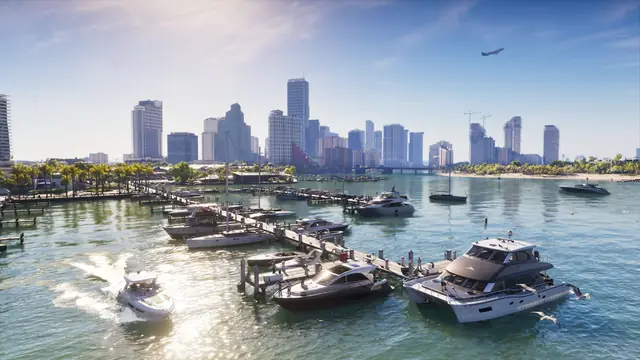
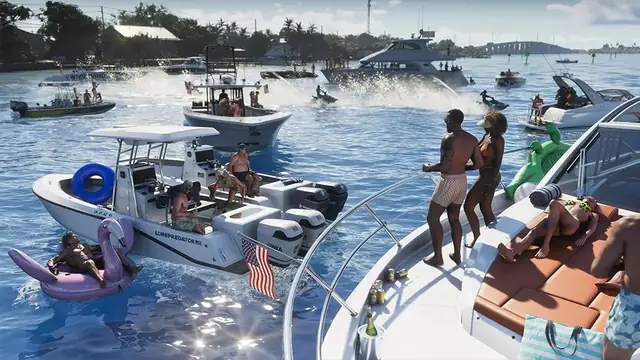
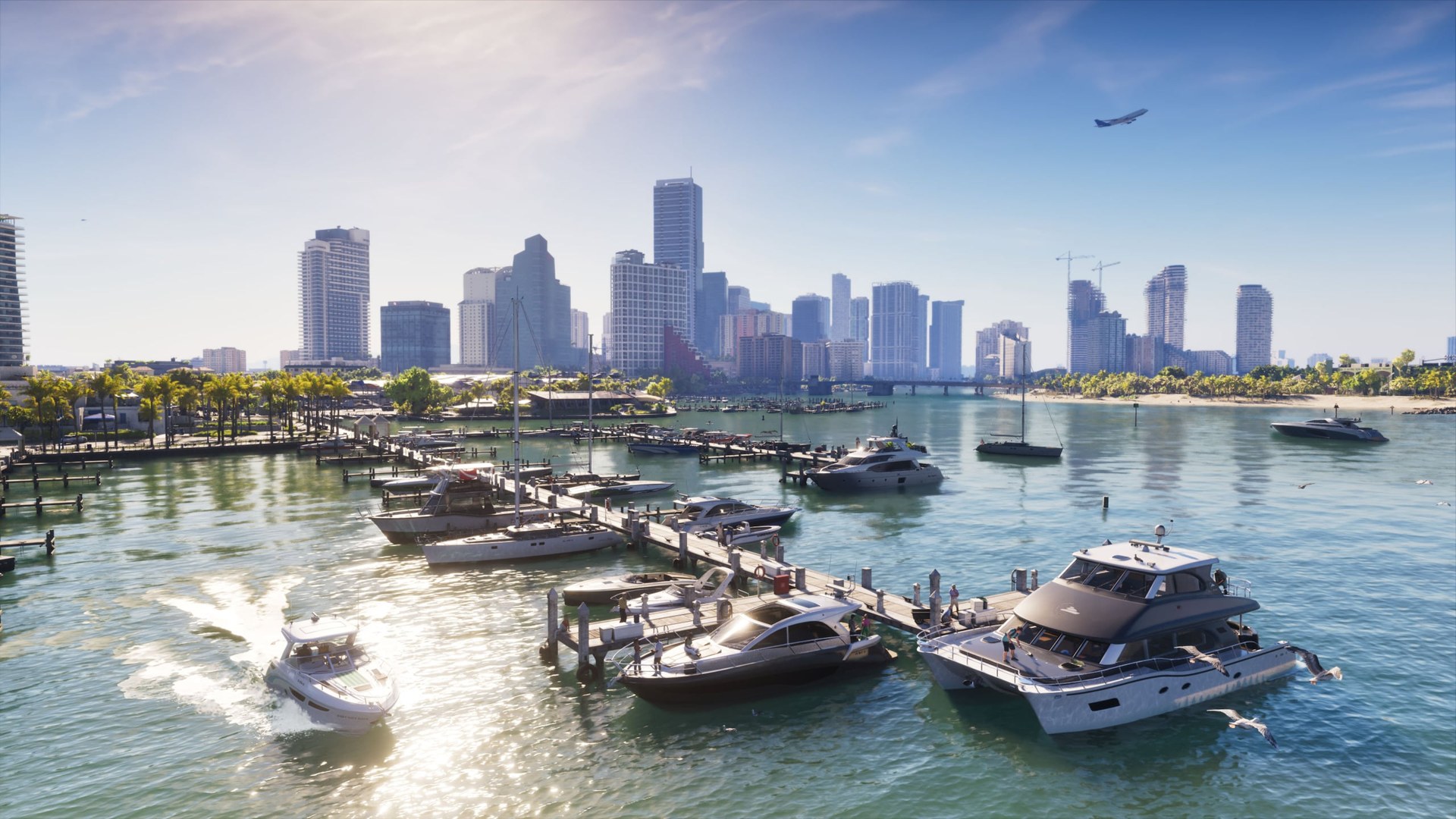
In the south, in the Leonida Keys archipelago. According to The Guardian, Jason, one of the two leads, works for a dodgy guy at the marina and rents a run-down waterside house on stilts. IGN adds that he runs drug shipments up and down the islands, living in a fairly quiet tourist town.
Vice City, the biggest city, comes much later. The Guardian’s reviewer had played about 30 hours before getting there. Until then they mostly dealt with petty thieves, drug runners and biker gangs, jobs far smaller than what happens in the city. So by the time you enter Vice City you are used to smaller towns, and the city lands as a jump in scale. IGN says the story is well paced and keeps nudging them from one place to the next across the map instead of leaving them in one spot.
How do the regions differ?
Reviewers describe each region with different details. The table lists the four regions they describe concretely. Port Gellhorn and Ambrosia, which Rockstar names but the reviews mention only in passing, come after it.
| Region | How it is described | Source |
|---|---|---|
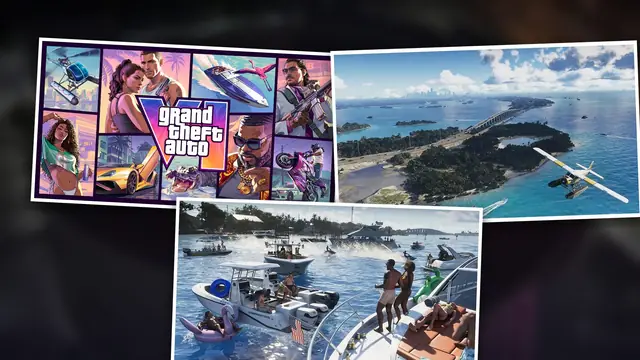
| Leonida Keys | The southern archipelago, inspired by the Florida Keys (the chain of small islands at the southern tip of Florida), where Jason runs goods | PC Gamer, IGN |
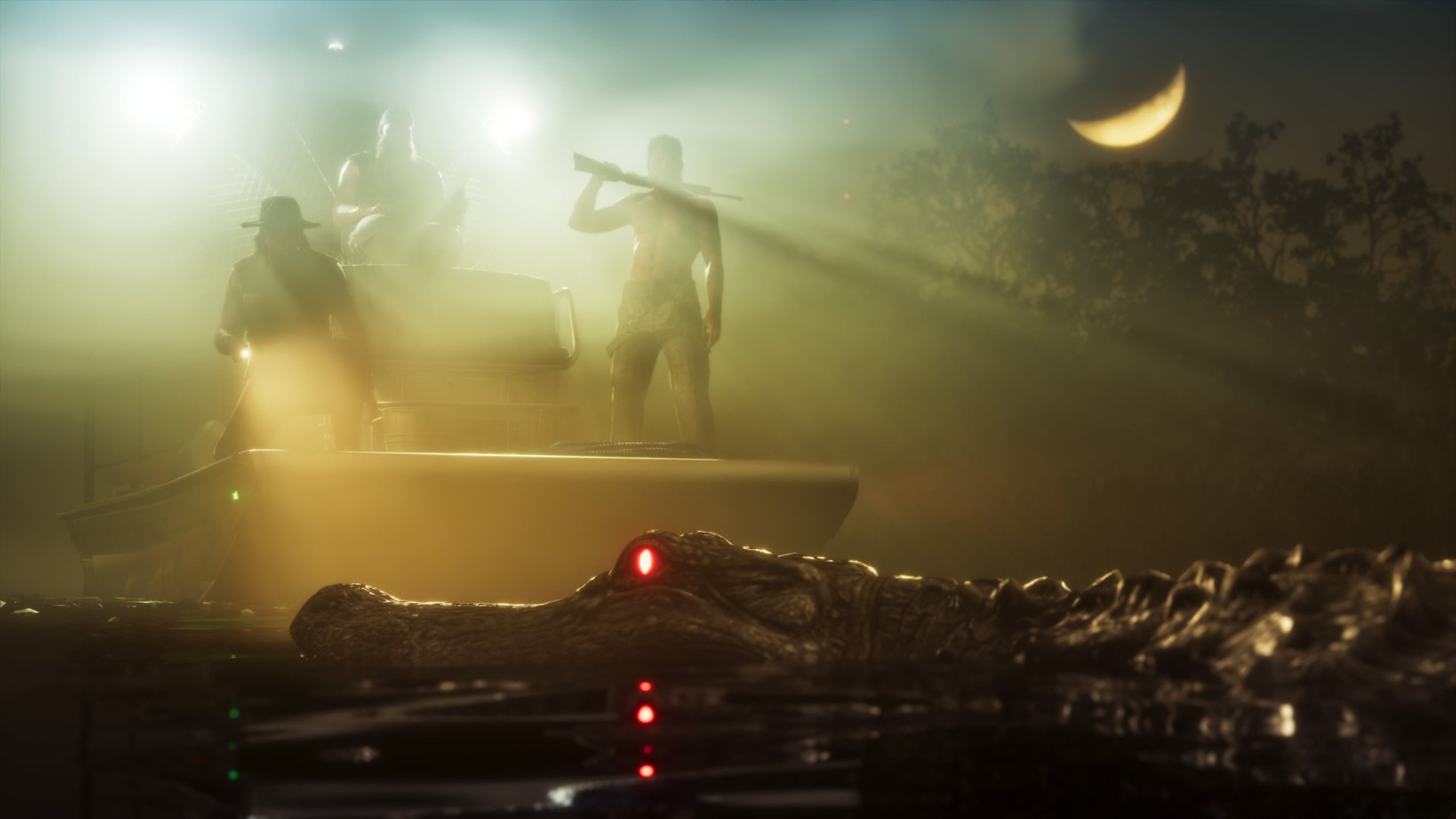
| Grassrivers | Vast wetlands inspired by the Everglades (Florida’s huge swamp) | PC Gamer |
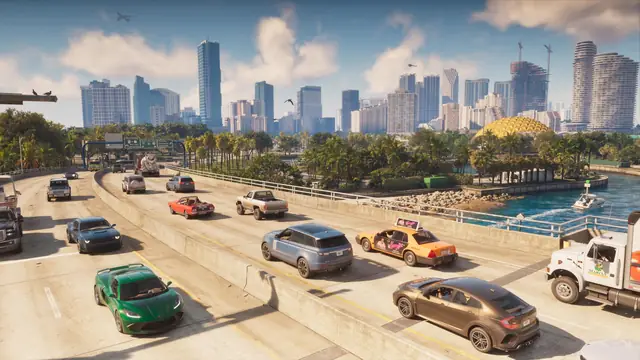
| Vice City | A city of many districts: Downtown, Southside and Little Cuba (a Cuban neighborhood inspired by Miami’s Little Havana) | GamesRadar, PC Gamer |
| Lummox County and Mount Kalaga | The north, where farmland gradually turns into dense forest beneath Mount Kalaga National Park | GamesRadar |
GamesRadar’s reviewer says they got exiled from Port Gellhorn and fought bikers in Ambrosia. This piece does not describe those two regions further because the sources say little more.
The long drive the GamesRadar writer describes shows the differences best. In the game they drove north from Key Lento, a spot in the Keys a short drive from a federal penitentiary, and watched the scenery change along the way: the color of police cars changes, and so do the accents and attitudes of the people at roadside restaurants, and the roads get rougher away from the big city. Small details like these tell you that you have crossed a boundary without any text appearing on screen.
How does the game keep players inside a big map?
One way is to remove tools that make you look at the map instead of the world. The radar is the small map in the corner of the screen, which in earlier GTA games showed where cops were approaching. According to IGN, there is no longer a police radar, and the reviewer says they never missed it. Instead you listen to the police scanner to guess what the cops know, then watch distant traffic for patrol cars. Evading the police becomes tied to the real roads you are driving.
The other way is to let vehicles travel the whole map. IGN says boats can be launched from trailers, put back on trailers and towed to a boat ramp on the other side of the map, and tuning shops, car showrooms and motorsport venues are scattered everywhere. That makes a distant region more than somewhere you go once for a mission: it has things to do when you choose to go there.
The other side: is size a strength?
Not everyone counts size as a strength. The Guardian’s reviewer calls Leonida so lifelike it beggars belief and so vast it feels overwhelming, and says that level of detail comes with complex controls, so the game sometimes does something other than what the player meant.
Another reason is personal taste. PC Gamer’s reviewer finds Vice City an incredibly detailed copy of real Miami that still does not grab them the way Liberty City or Los Santos did, the cities of GTA IV and GTA V, because present-day Miami holds less pop-culture interest. It shows that a big, dense map can still feel weaker than a smaller one with a stronger identity.
Finally, the limits of this piece. The "twice GTA 5" figure is a Rockstar statement relayed by a news site, with no exact area to compare, so the piece compares by hours played and individual impressions. Those impressions come from a handful of people who each played dozens to hundreds of hours in their own way.
In short, why does the Leonida map work?
The people who have played describe a map that works because of how the regions follow one another, not only because of its size. You open on a small archipelago in the south, reach the big city after about 30 hours (according to one reviewer), and then drive out through wetlands, farmland and the forest in the north. Each region differs in small details like police-car colors and accents, and dropping the police radar makes you rely on looking at the world. The weakness is that the scale is so big many players have not seen it all, and Vice City may not grab as hard as the cities of the previous two games.
How big is the GTA 6 map?
According to Rockstar’s statement as relayed by PC Gamer, the map is twice the size of GTA 5. Reviewers who finished the story still say much of it is unseen: IGN played over 120 hours, and GamesRadar needed about 80 hours to reach the northern county.
Which regions does GTA 6 have?
Rockstar names six: Vice City, Leonida Keys, Grassrivers, Port Gellhorn, Ambrosia and Mount Kalaga. GamesRadar’s review also mentions Lummox County in the north, near Mount Kalaga National Park.
Where does the game start on the map?
In the Leonida Keys, where Jason lives and runs goods for local smugglers. One Guardian reviewer needed about 30 hours of play to reach Vice City.
Sources: Rockstar’s Only in Leonida page (region names); PC Gamer’s 100-hour impressions (Rockstar’s size statement, regions, Vice City); GamesRadar’s review (the drive north, Lummox County); IGN’s review (hours played, pacing, no police radar, boats) and The Guardian’s review (starting in the Keys, 30 hours to Vice City). Checked on November 19, 2026.