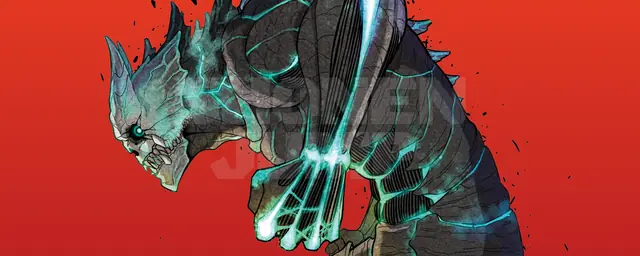
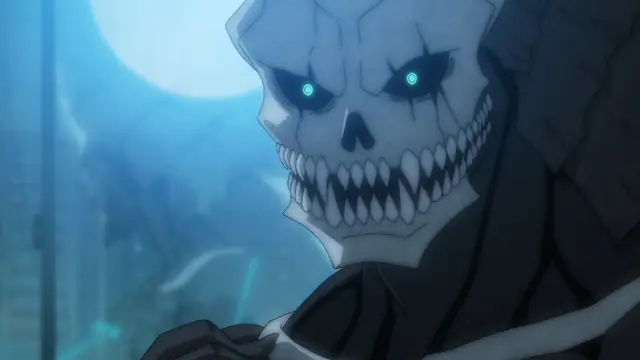
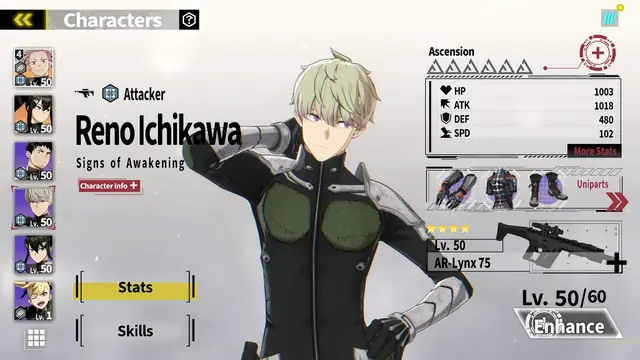
KAIJU NO. 8 THE GAME makes a good first impression by letting you assemble a team of familiar Defense Force officers and send them against monsters. Characters previously seen in the anime become teammates with different skills and roles. You do not need fast dodges or complicated button combinations to start enjoying their battles.
OtaHub rates this adaptation highly for its accessible turn-based combat and anime presentation. Character stories provide another reason to continue after a battle, so progress feels more rewarding than simply collecting upgrade materials. Combat can repeat itself and the gacha system deserves consideration, but neither outweighs the enjoyment of spending time with this cast in the portion played.
Breaking armor gives each battle a clear goal
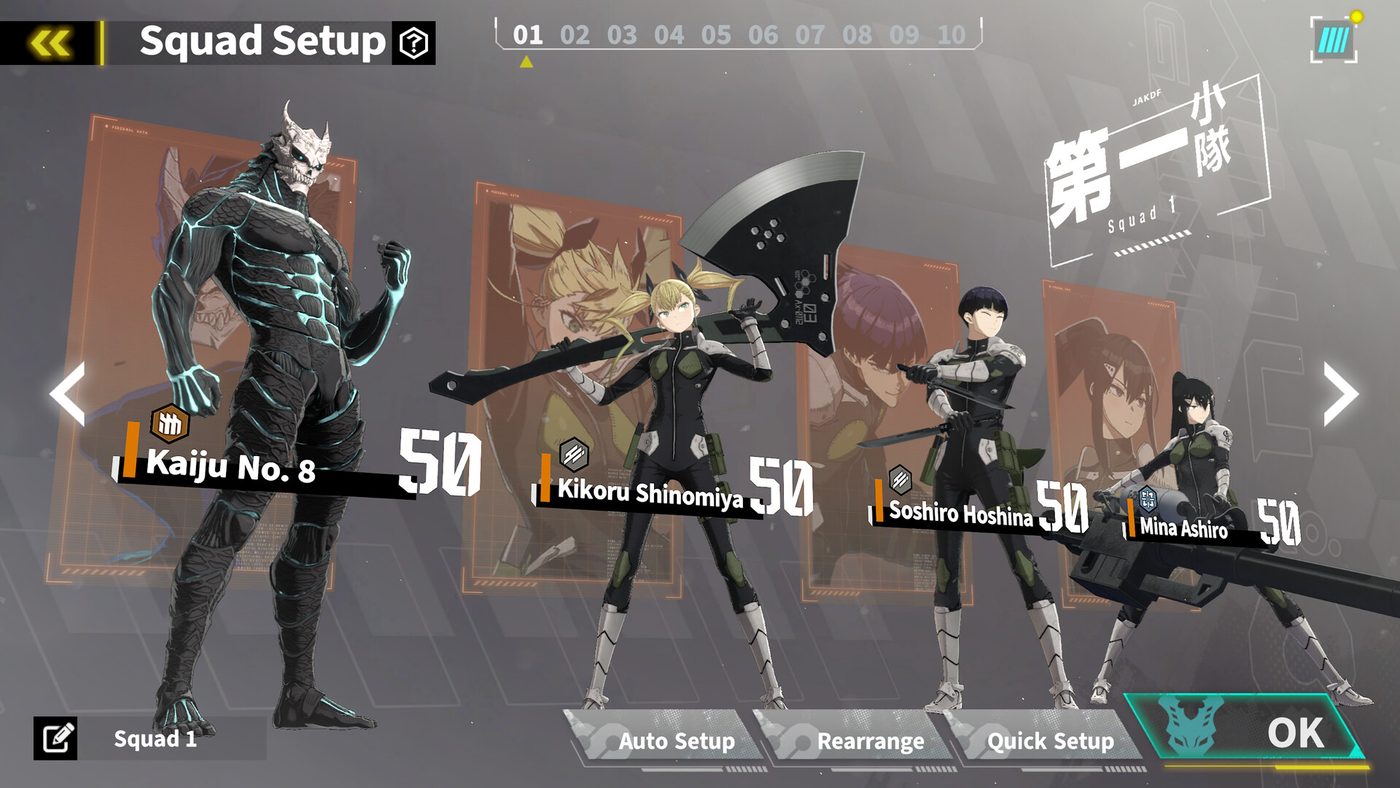
With up to four officers in a party, the action is easy to follow. You choose skills as turns arrive and decide whether to concentrate on one monster or deal with several enemies. The limited set of inputs makes the tutorial approachable without requiring you to learn a large collection of commands before having any fun.
Armor protecting a kaiju’s core gives those decisions a purpose. Appropriate attacks break through that protection and create an opportunity for more effective damage. Picking officers solely because you like them will not answer every encounter. Their abilities also need to suit the enemy in front of you.
Skills draw on a shared resource, which means spending heavily now can restrict the next teammate. A normal attack can therefore be useful preparation rather than a wasted turn. This is an accessible layer of planning that makes the party feel connected.
Ultimate attacks provide a satisfying payoff when held for an exposed core. Their presentation feels more rewarding when it follows a deliberate setup. There is pleasure in seeing the team’s preparation produce an opening instead of treating every flashy attack as something to activate immediately.
That rhythm can become familiar across repeated encounters. Even so, OtaHub enjoyed the story scenes between fights, which changed the pace and supplied a reason to keep going. Repetitive combat did not make the whole experience boring. Players seeking direct control over every swing and dodge should understand that this is a different style of adaptation.
Familiar events and room for the officers’ own stories
The anime’s story provides an accessible starting point. Kafka Hibino wants to join the Defense Force while carrying the ability to become a kaiju himself. That conflict makes his place among monster hunters interesting, and revisiting the cast is part of the appeal for existing fans.
The game separates its storytelling into several branches. Memories revisits material from the manga and anime, Main Story introduces an original narrative with new characters, and Character Stories focuses on individual officers. These distinctions matter because the game is not simply retelling the same plot in every mode.
OtaHub particularly likes having more to discover about the characters beyond their combat skills. Using an officer in battle and then reading their own story gives progress a more personal reward. New additions also leave something unfamiliar for players who already know the source material.
Retold events naturally offer fewer surprises to existing viewers. Their appeal comes from presentation and another chance to spend time with the cast. Within the portion played, the alternation between story and combat remained engaging. This review does not assess an ending to the game’s continuing narrative.
The adaptation comes alive through its animation
The visuals are a major strength. Detailed 3D characters retain their familiar appearance, while animated attacks bring the anime’s style into battles. Different weapons help officers remain recognizable when they act rather than leaving the player to watch damage numbers alone.
OtaHub especially enjoys the colors in the story scenes and the smooth animation. Spectacular attacks make a pleasing reward after choosing skills and waiting for an opening. In a game about officers fighting enormous monsters, an attack looking powerful matters alongside its numerical damage.
Repeated animations inevitably lose some novelty. Attractive presentation improves familiar encounters without removing their repetition. The story breaks help here by changing the atmosphere between stretches of combat.
Sound supports the spectacle
Audio was enjoyable in the Android playthrough and worked well with the visuals. Battles felt livelier with sound accompanying the attacks, while dialogue helped give the characters presence in story scenes. The overall sound contributed to the positive experience rather than feeling incidental.
The game features Japanese voice acting, including performers associated with the cast, alongside several interface and subtitle languages. The Steam language list does not include Vietnamese. Players who depend on Vietnamese text should consider that limitation because following character stories is an important part of the appeal.
Smooth play on Android
The Android experience felt smooth, allowing attention to stay on the story and battles. This is a report from the device used for the review rather than a frame-rate test across Android phones. It also does not establish how the iOS version performs.
OtaHub recommends downloading through Google Play based on the writer’s experience. The official store also provides a consistent route for receiving updates. However, there was no controlled comparison establishing that every APK installation runs worse or that Google Play guarantees smooth performance on every device.
Device limitations still matter, so storage space and suitable graphics settings are worth checking if problems arise. The game is also available on iOS and Windows through Steam, but those releases do not expand the scope of the Android performance assessment. Store ratings are not being used as a substitute for testing.
The cast gives progress its value
The game is free to download with in-app purchases. Its gacha system offers characters and weapons, so wanting a particular officer can create pressure to spend. A few fortunate pulls or launch rewards are not enough to establish the long-term cost of collecting a preferred team.
The more persuasive reason to try it is whether you enjoy these characters and the accessible combat. For OtaHub, the stories made playing worthwhile beyond obtaining another upgrade. A familiar battle still had a purpose when it led toward something worth reading.
Trying the available content before spending is sensible. This review does not claim to establish the cost of completing every team or the lasting appeal of the entire endgame. In the portion played, the adaptation succeeded in making its world a pleasant place to return to.
An adaptation worth trying for Kaiju No. 8 fans
KAIJU NO. 8 THE GAME combines appealing visuals, enjoyable sound and approachable turn-based battles. Its familiar world is supported by additional stories about the officers. OtaHub enjoyed that combination, and the combat’s repetition did not overshadow the pleasure of following the cast.
It is best suited to fans who want an easy game to begin on a phone. Those looking for direct action controls or wishing to avoid gacha have clear reasons to hesitate. For players sharing the writer’s interest in these characters, it is worth a try.
OtaHub Score
OtaHub recommendation: Worth playing
The overall score uses the six weighted game-review criteria.
Review scope: Android play and the writer’s early impressions. The chapter, build and phone model were not recorded. This review does not assess the full endgame or iOS performance. Images: the game’s Steam page.
Story modes, platforms and languages checked against the official website and Steam (17/10/2026).