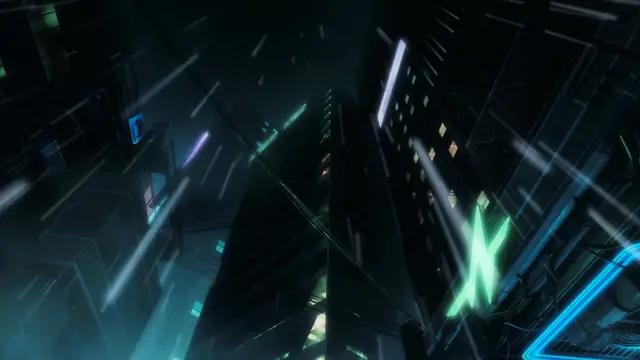
Kaiju No. 8 has an immediately approachable starting point. Mina Ashiro commands a Defense Force division, while Kafka Hibino cleans up the remains of the monsters that she and her colleagues defeat. They once promised to fight together, but at 32, Kafka has almost accepted that he will never catch up with his childhood friend.
What first appeals to OtaHub is the possibility that he can still try again. Kafka jokes, overestimates himself and regularly ends up embarrassed, giving the series a relaxed atmosphere despite its monster-stricken Japan. The story offers few surprises at first. Once the recruits become familiar, however, following them through their examination and into actual operations becomes enjoyable.
Kaiju No. 8 season one begins with an abandoned ambition
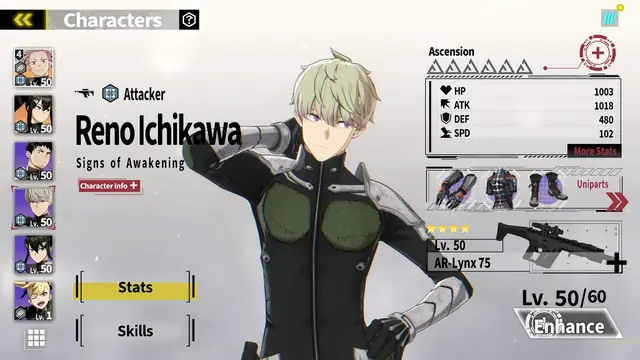
Meeting Reno Ichikawa makes Kafka reconsider giving up on the Defense Force. Reno is younger and determined to apply, whereas Kafka knows what failure feels like. When danger arrives, Kafka's instinct to help comes before concern for himself. Even though his new power arrives suddenly, the series establishes a reason to want him to use it successfully.
Becoming a kaiju complicates that ambition. His transformed body can accomplish things his human one cannot, but it also makes him a target for the organization he hopes to join. Keeping the transformation secret adds tension to the examination and subsequent operations because displaying his strength cannot solve every problem safely.
The progression remains familiar for an action anime about a newcomer entering an elite organization. Abilities, colleagues and stronger opponents arrive in succession, while larger mysteries are only starting to emerge. OtaHub finds the story accessible and easy to continue, though its originality is not the season's strongest reason to watch.
Kafka and his colleagues make spending time here enjoyable
Kafka is likable because he does not try to be cool or flawless. Moments when confidence gives way to embarrassment make his age and limitations alongside younger recruits apparent without lengthy explanation. His humor also leaves room for sincere concern about other people. OtaHub believes in his good intentions even when his behavior is foolish.
Reno provides a relationship worth following alongside the promise to Mina. A cleanup colleague becomes someone who knows Kafka's secret and worries about the consequences. Their exchanges therefore do more than explain circumstances to the audience. They establish that Kafka has someone beside him as he makes another attempt at his dream.
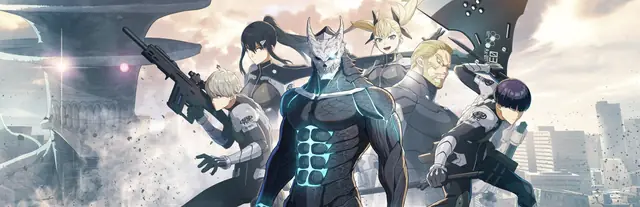
Kikoru Shinomiya makes an impression through confidence and exceptional ability. She gives the examination a competitive edge while highlighting Kafka's awkwardness. The introductions create interest in the supporting cast, although their backgrounds and private lives receive less attention than that interest deserves. The season is good at making someone appealing quickly, but less consistent about exploring them afterward.
No. 8's design stands out more than the overall visual style
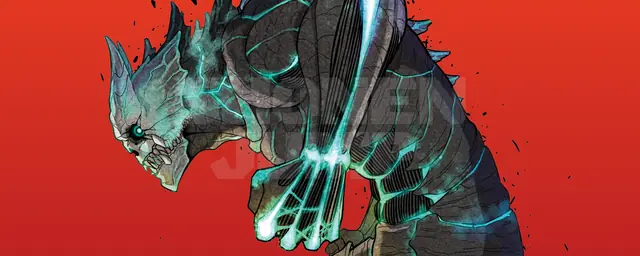
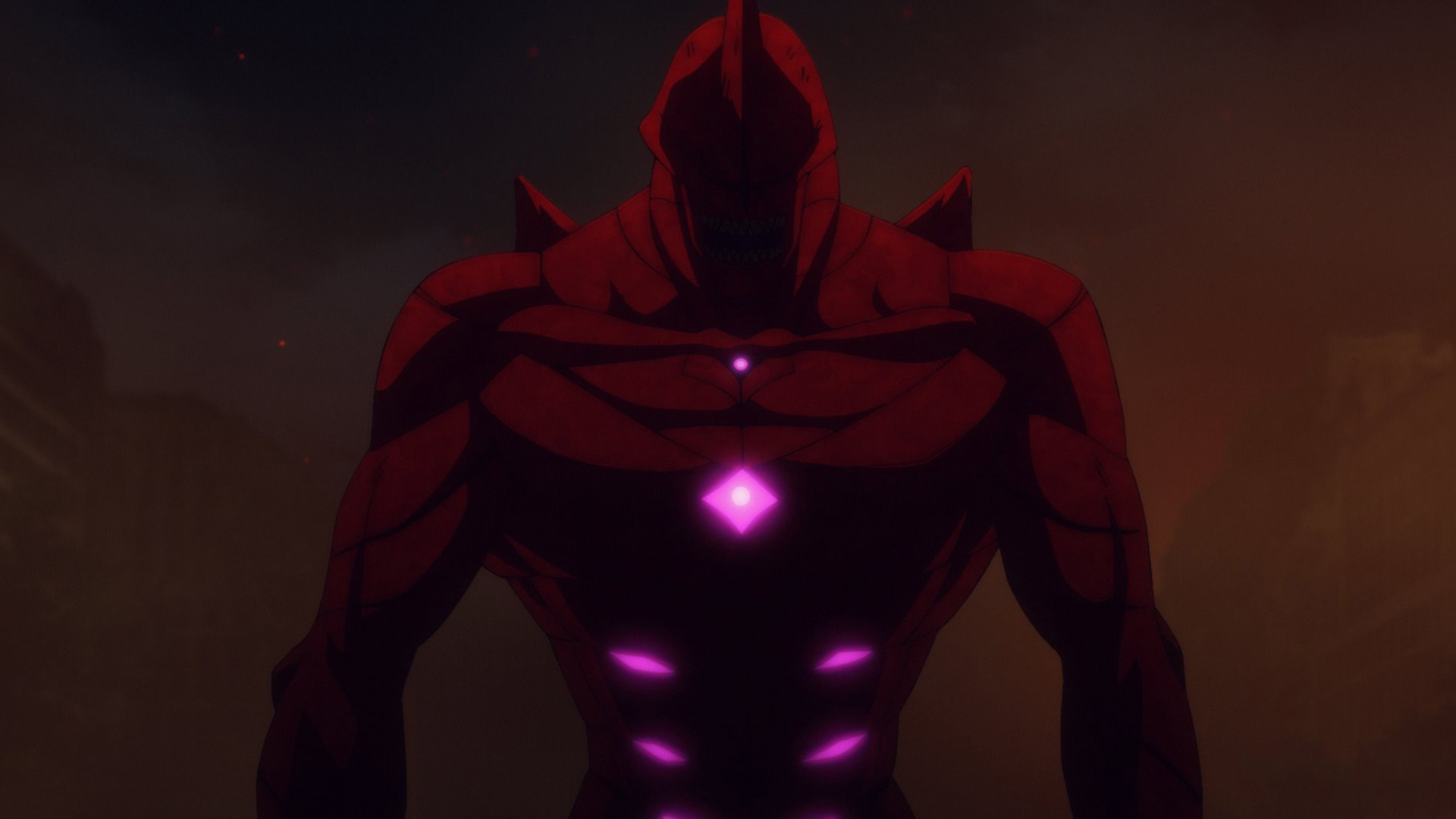
Kafka's transformed appearance is OtaHub's favorite design. The skull-like face, dark body and luminous green markings make him immediately recognizable. His contrast with the ordinary Kafka also communicates the problem he faces: a generally kind man now inhabits a body that can frighten everyone around him.
The visuals generally meet the needs of an action series, though the style is not a particular favorite. Character designs distinguish the recruits, while kaiju appearances provide more striking images than everyday scenes. The appeal rests more in specific designs than in a feeling that every sequence is visually exceptional.
That distinction matters to the assessment. An attractive transformation and a setting suited to combat give the series useful foundations, but they do not automatically make the season visually outstanding. Viewers hoping for an approach radically different from familiar action anime may find it less distinctive than expected.
The music leaves a clearer impression
Music is one of the first season's more memorable strengths for OtaHub. YUNGBLUD's opening song Abyss and OneRepublic's ending song Nobody give the series an identity beyond Kafka's transformations. They also provide something to remember after an episode has finished.
This emphasis suits a show combining action with companionship. The season does not maintain a uniformly oppressive atmosphere, leaving room for music alongside both excitement and the characters' lighter qualities. For OtaHub, that is a meaningful advantage in a series whose plot still follows many familiar genre steps.
Twelve episodes find their momentum after the introductions
The opening three or four episodes take time to become absorbing. Kafka's job, his promise to Mina, his meeting with Reno and his altered body all require introduction before he enters a new environment. These steps are necessary, but viewers familiar with this kind of premise may need some patience before becoming invested.
Once examinations lead into operations, the progression becomes more engaging. Each stage brings Kafka closer to the position he wants before his secret creates another complication. OtaHub does not find much material detached from the main story, so the twelve episodes pass quickly once the characters matter.
The wider Defense Force nevertheless remains somewhat distant. The season explains the people around Kafka better than it explains the organization as a whole. That does not make events confusing, but the setting feels narrower than the growing threats suggest. These questions give later installments material to develop rather than allowing season one to stand as a comprehensive account of this world.
A cast worth following into the next stage
The strongest continuing attraction is the desire to spend more time with Kafka, Reno and Kikoru. The straightforward story makes the series easy to begin, while twelve episodes allow viewers to get acquainted without immediately committing to a very long show.
Its main reasons to revisit are the interactions, No. 8's design and the music. The season does not yet offer enough layers of mystery to make OtaHub want to scrutinize every detail, but it successfully establishes affection for the group. Viewers who enjoy action mixed with comedy and companionship have an accessible option with a clear sense of progression.
Verdict
Kaiju No. 8 season one is a decent introduction whose likable lead and memorable songs stand out more than the originality of its plot. It needs a few episodes to settle, and its supporting cast and world could use greater depth. Although it has not become an exceptional action anime for OtaHub, the first season is entertaining enough to make Kafka's next steps worth anticipating.
OtaHub recommendation: Watch if it suits you.
Reviewed across all twelve episodes of season one. This review does not assess season two or apply its judgments to the manga. Character assessment focuses on writing and interaction without comparing language versions.
Production information: Production I.G · Music · Episode 12. Images: official season-one episode stills. ©Naoya Matsumoto / Shueisha / Defense Force Third Division.