In-depth · Story & Themes · Spoilers for Dark Shrine and Hinako’s rituals
The horror of Silent Hill f comes not only from beautiful things becoming distorted, but from Hinako having to change herself to satisfy someone else’s wishes.
Red flowers spread across the streets, a shrine emerges within an uncanny world, and rituals gradually transform high school student Shimizu Hinako’s body. These could be treated as separate horror images. Considered together, however, they raise a shared question: how beautiful can something remain when the person caught within it has little say in what happens?
NeoBards and Konami set the story in Ebisugaoka, a Japanese town in the 1960s. Fog and monsters make Hinako’s home unfamiliar, but the pressures she brings into that world come from ordinary life. Family expectations, ideas about proper femininity and the prospect of marriage help explain why beauty can become unsettling even before a creature attacks.
The flowers become frightening when they refuse to stay in place
Red spider lilies, or higanbana, carry associations suited to Silent Hill f. They bloom around the autumn equinox, close to the Higan period when people visit ancestral graves. But reducing the flower to a single symbol of death would be misleading. Fields of lilies also attract visitors who come to enjoy their beauty, rather than seek an omen.
That combination of attraction and unease makes the flowers effective material. In Ebisugaoka, vegetation is no longer decoration beside the road. It spreads along walls, occupies human spaces and becomes associated with disturbing forms. The change concerns not only how the town looks, but who or what appears to control it.
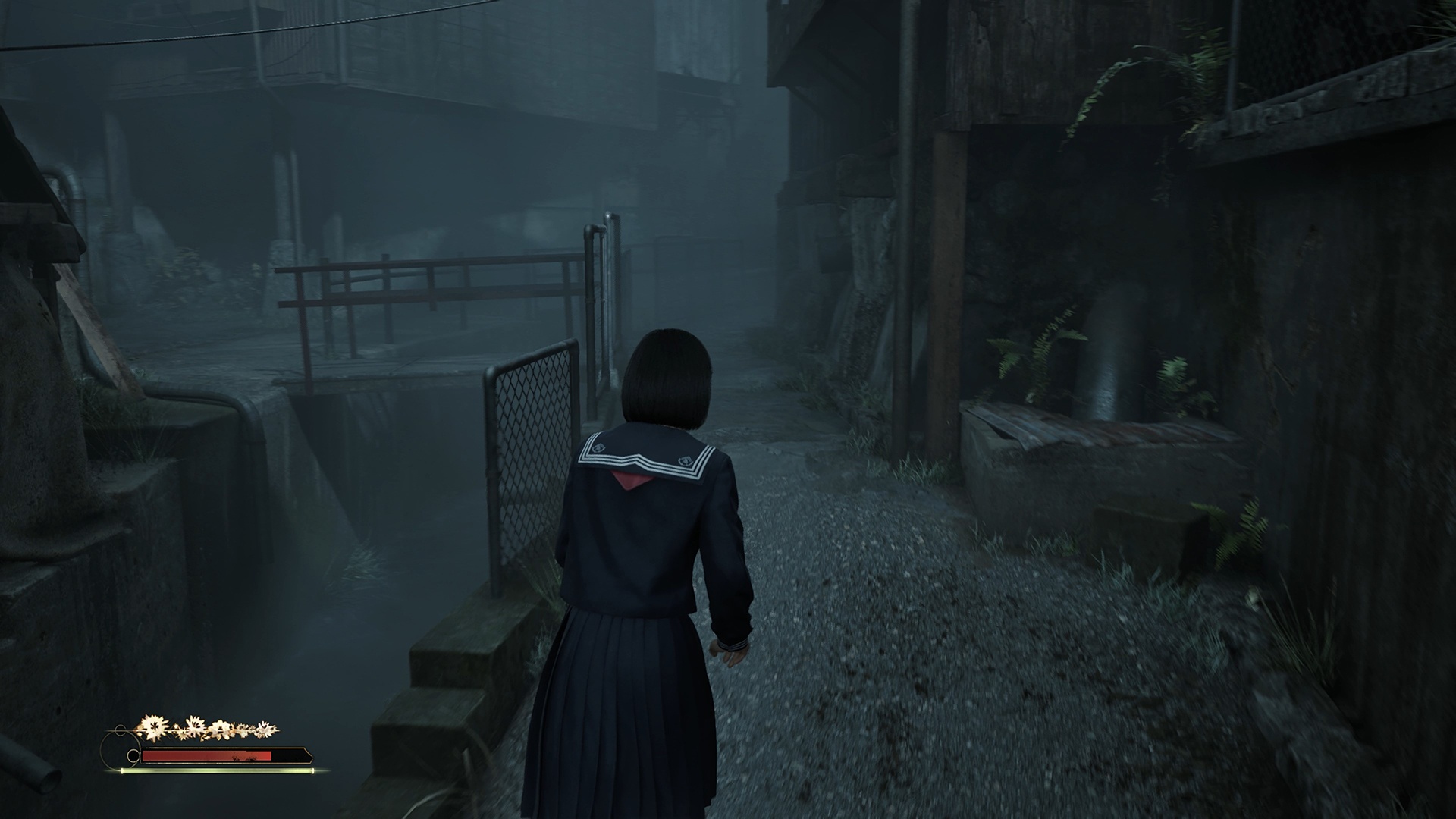
Series producer Motoi Okamoto has explained that the clustered flowers can resemble flesh when seen from a distance. This illustrates the direction expressed by Find the Beauty in Terror. The blooms do not need to lose their beauty to become disturbing. Discomfort arrives when the viewer can no longer easily distinguish flourishing vegetation from a body being overtaken.
Alongside Hinako’s story, that encroachment suggests expectations that appear desirable from outside. A girl may be asked to become prettier, better behaved or more suitable for a future already selected for her. The problem is not beauty itself, but demands expanding until there is little room for her wishes. This is an interpretation of the imagery, rather than a universal answer for every flower in the game.
A guide through the shrine does not necessarily offer a choice
The shrine and fox imagery create a different tension. Within Inari belief, foxes are associated with the deity’s messengers, rather than meaning that Inari is a fox. Connections to everyday life, protection and good fortune give these images significance before the game places them in darkness.
In Dark Shrine, the fox-masked man leads Hinako through trials and rituals. Someone who knows the way can be reassuring in an incomprehensible place. Yet the more the guide appears to know what must happen next, the more important Hinako’s own understanding becomes. How much of the destination is she actually choosing?
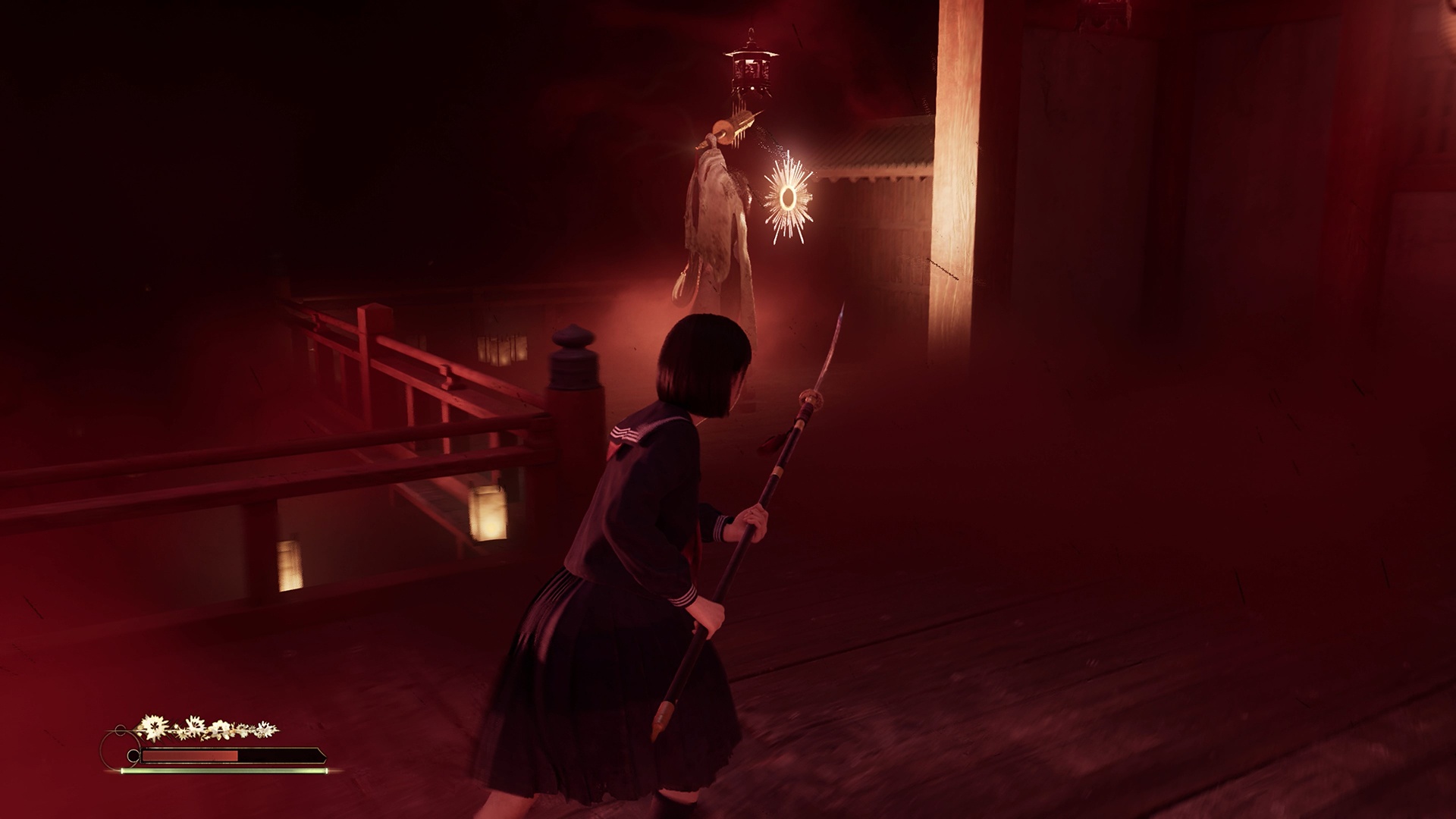
The unease therefore extends beyond red lighting, statues or an uncanny atmosphere. It concerns the relationship between the person issuing instructions and the person expected to follow them. A ritual can have a perfectly clear sequence while remaining frightening to someone who cannot determine its outcome or the cost of each stage.
The mask adds concealment to that imbalance. Hinako can be led onwards without fully knowing what the person opposite her wants. The uncertainty between assistance and direction makes the sacred setting a place requiring caution. The game need not declare religious belief inherently dangerous to question power within this particular situation.
The fox arm puts power beside its cost
Hinako’s transformations make this question more immediate. As the rituals progress, her body acquires fox-like features and the story moves towards a wedding. Marriage is no longer simply a possible future. Preparation for it becomes visible in changes to the character herself.
The fox arm matters because it does more than supply a horrific image. NeoBards creative director and game director Al Yang describes it as a combat tool capable of disrupting the usual rhythm of tension. Hinako gains a means of acting against danger, rather than remaining only someone who suffers it.
This creates an important complication. More fighting power does not automatically mean more authority over who she becomes. A change can help her survive an immediate threat while still making its personal cost unsettling. When strength and bodily transformation arrive together, the result is difficult to treat as an uncomplicated reward.
Hinako should not consequently be reduced to a passive symbol of suffering. She still acts within her circumstances. The deeper questions concern the conditions of those decisions, what she knows about their consequences and which alternatives remain available. The fear of losing herself becomes specific through the process of continuing, rather than through an altered body alone.
A wedding becomes frightening when the future is decided for someone
Preparing for a wanted wedding can mark two people’s movement towards a shared life. Hinako’s painful rituals place that meaning under pressure. The fear is not simply that she might marry, but that this future could demand the surrender of her identity before she has determined whether she wants it.
The 1960s setting gives these pressures a place within the story. Okamoto identifies expectations placed on women as an important theme. That does not make every Japanese household of the period identical, or allow one character to represent every woman’s experience. The argument must remain grounded in Hinako’s particular circumstances.
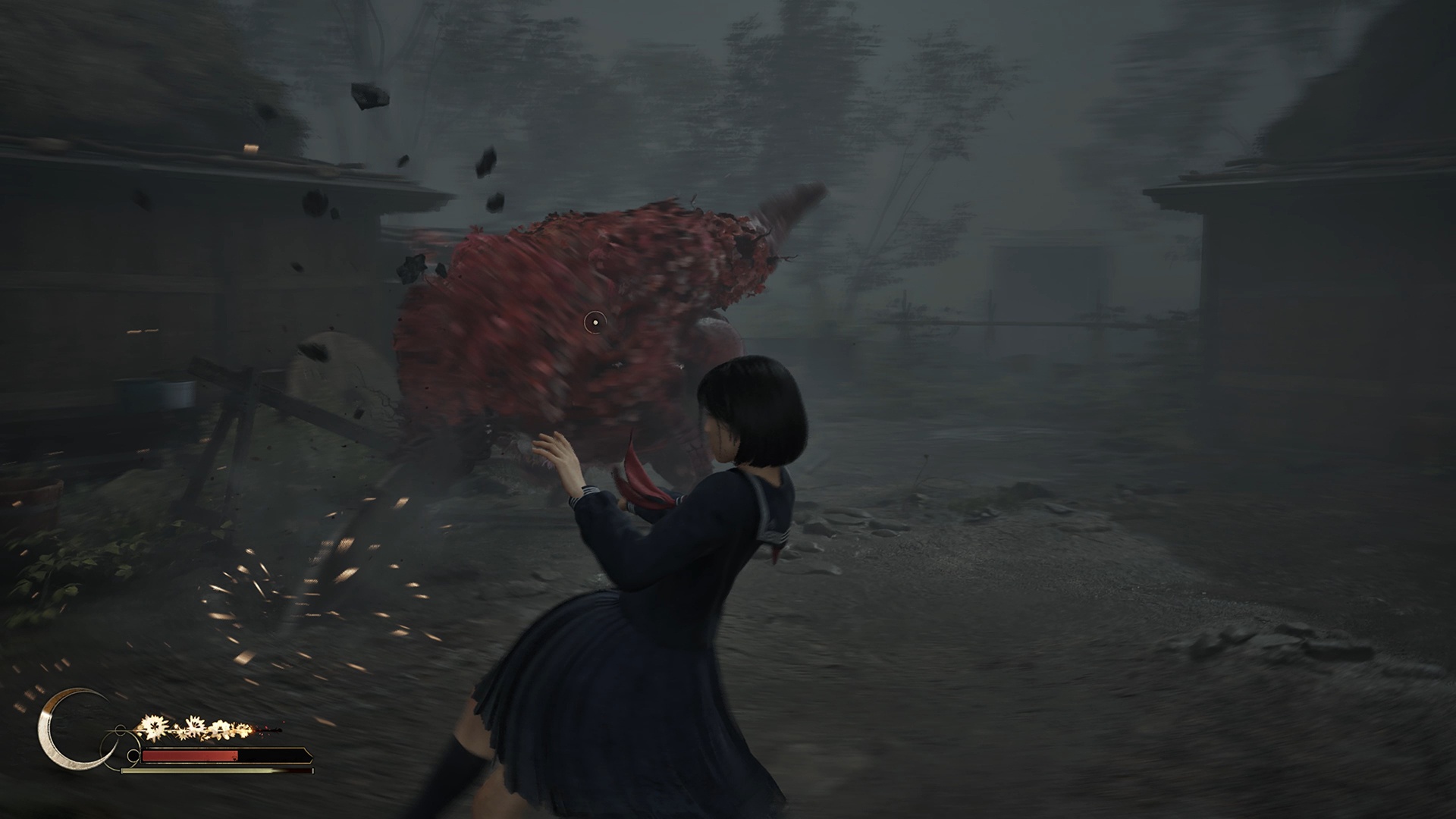
Flowers, shrine and wedding then connect through something more specific than a contrast between beauty and ugliness. A form admired from outside can hurt the person within it when she has no meaningful say. The difference between ceremonial grandeur and what Hinako undergoes takes the horror beyond monsters.
This also makes autonomy a more useful focus than a glossary of symbols. Assigning death to flowers and concealment to masks would overlook what the character actually faces. These images matter because they affect a girl with family relationships, desires and a future of her own.
Another view: beauty does not only conceal violence
Treating every beautiful thing in Silent Hill f as a trap would narrow the interpretation too far. Flowers can be beautiful without functioning as warnings, shrines can offer reassurance, and marriage can be freely chosen. Those meanings do not disappear because the game explores their unsettling possibilities.
Keeping that distinction puts the focus on coercion. Who decides, who pays the cost, and how far are Hinako’s wishes heard? Equating tradition with violence risks replacing one denial of her choices with another prescriptive conclusion about the only acceptable way to live.
Nor must the game be read as a puzzle in which every detail has one answer. Flowers mingling with bodily imagery can suggest intrusion, injury and anxiety about transformation. Autonomy connects the details discussed here, but it need not displace every other interpretation of the story.
Conclusion
Silent Hill f makes familiar symbols frightening by placing them within circumstances in which Hinako cannot be sure how much she gets to choose. Flowers occupy living spaces, a guide introduces rituals, and her body changes on the way towards a wedding. Beauty remains, but safety feels different.
The fox arm captures that complexity: a transformation can provide strength while still raising fears about what must be exchanged for it. Viewed from Hinako’s position, the question is no longer only whether she survives the monsters. It is whether, after everything demanded of her, she can live as the person she wants to become.
Sources: producer Motoi Okamoto on beauty and social expectations · Al Yang on combat design and the fox arm · Fushimi Inari Taisha on fox imagery · JNTO on red spider lilies and Higan · official game imagery.