In-Depth · Characters · Spoilers through the end of the game
In Black Myth: Wukong, the Destined One barely says a word, no matter how many monsters and Journey to the West characters he meets. I think the silence sets him apart from a brash Sun Wukong, lets players piece the story together, and lets his journey, not words, answer whether he inherits the Great Sage’s free will. Game Science has not officially explained it, so this is my reading.
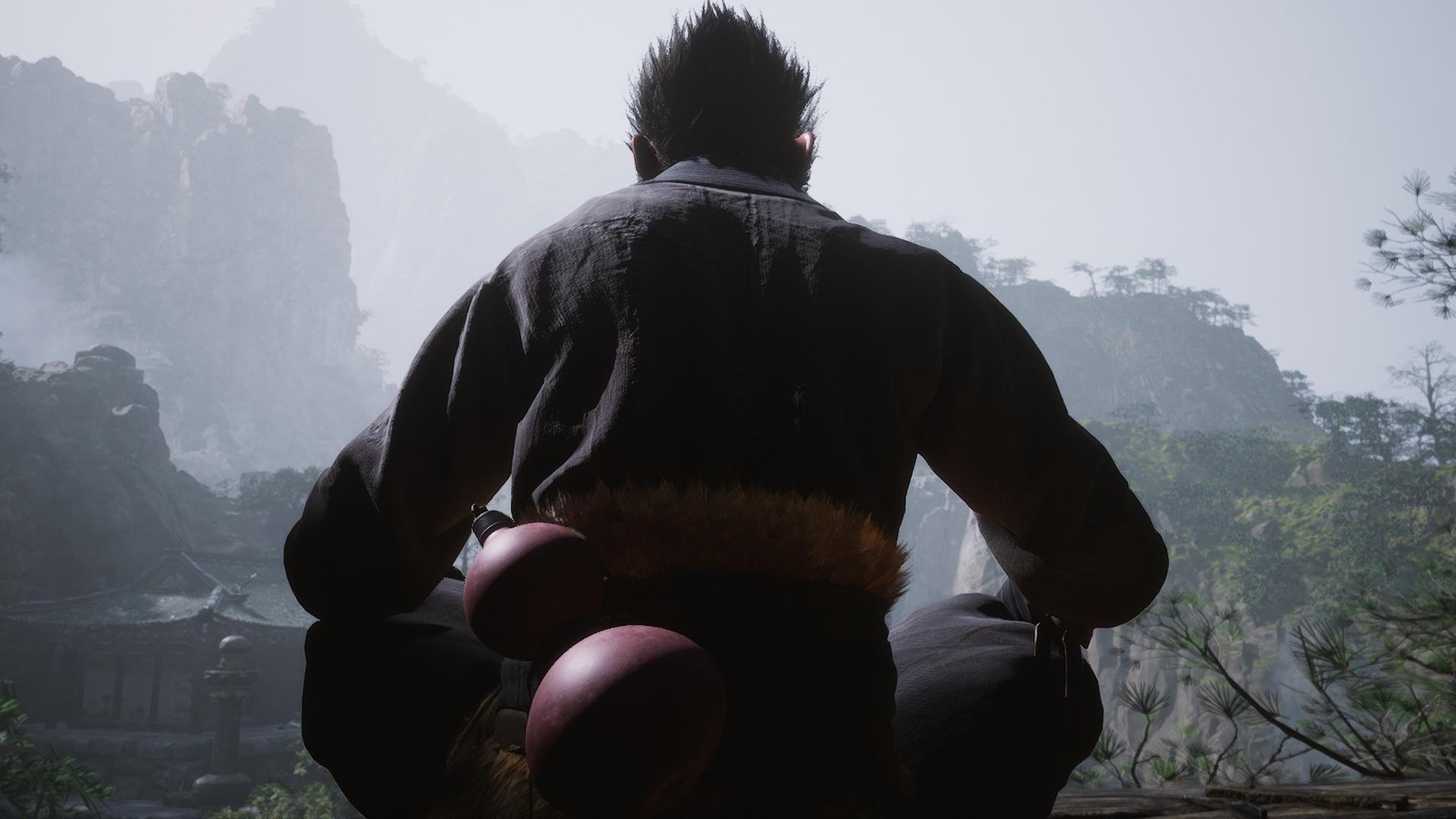
Who is the Destined One, and how is he different from Sun Wukong?
According to the plot section on Wikipedia, the Destined One is one of the monkeys of Mount Huaguo. Sun Wukong, after escorting Tang Monk to retrieve the scriptures, rejects life in the Celestial Court and returns to his mountain. The Court sends an army led by Erlang Shen, Wukong is defeated and sealed in stone, severed from his six senses, each tied to a relic. The monkeys of the mountain later try to recover the relics to save him, and the Destined One sets out.
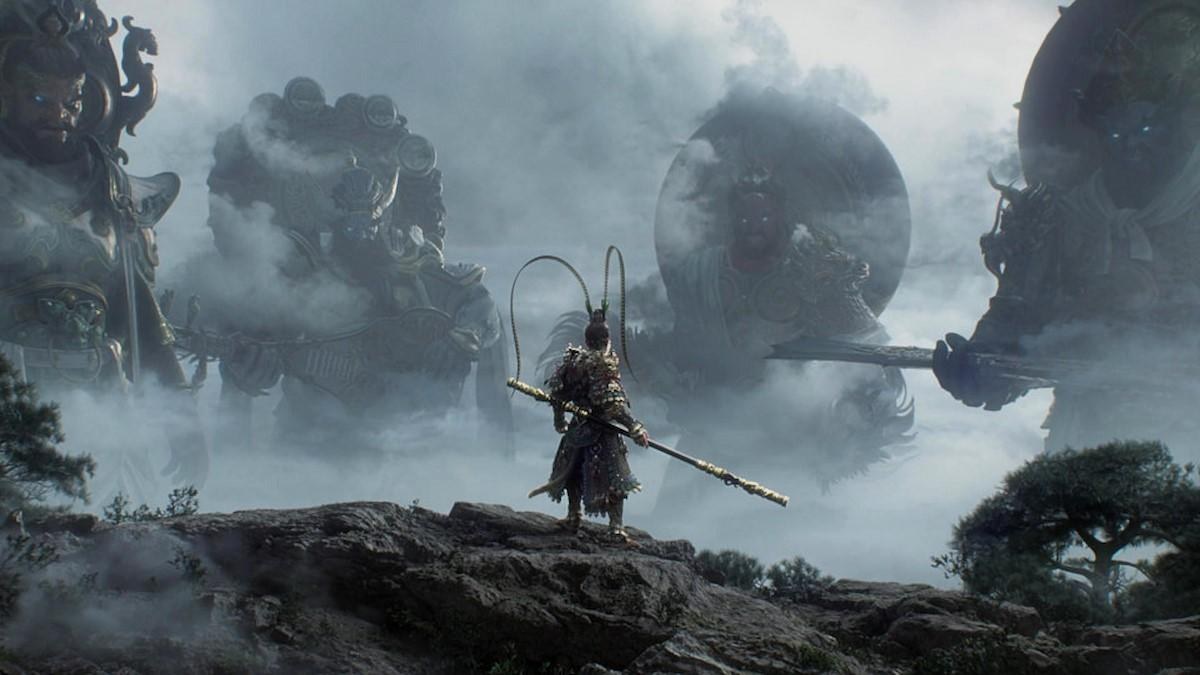
Wikipedia also says the Old Monkey tells him the universe will always bear the Great Sage a successor, and that this is the Destined One. Aftermath calls him an entirely different monkey trying to take up Wukong’s mantle, and Sixth Tone says not to confuse him with his predecessor despite a striking resemblance. In other words, he is not Sun Wukong revived, and not simply a descendant carrying his staff.
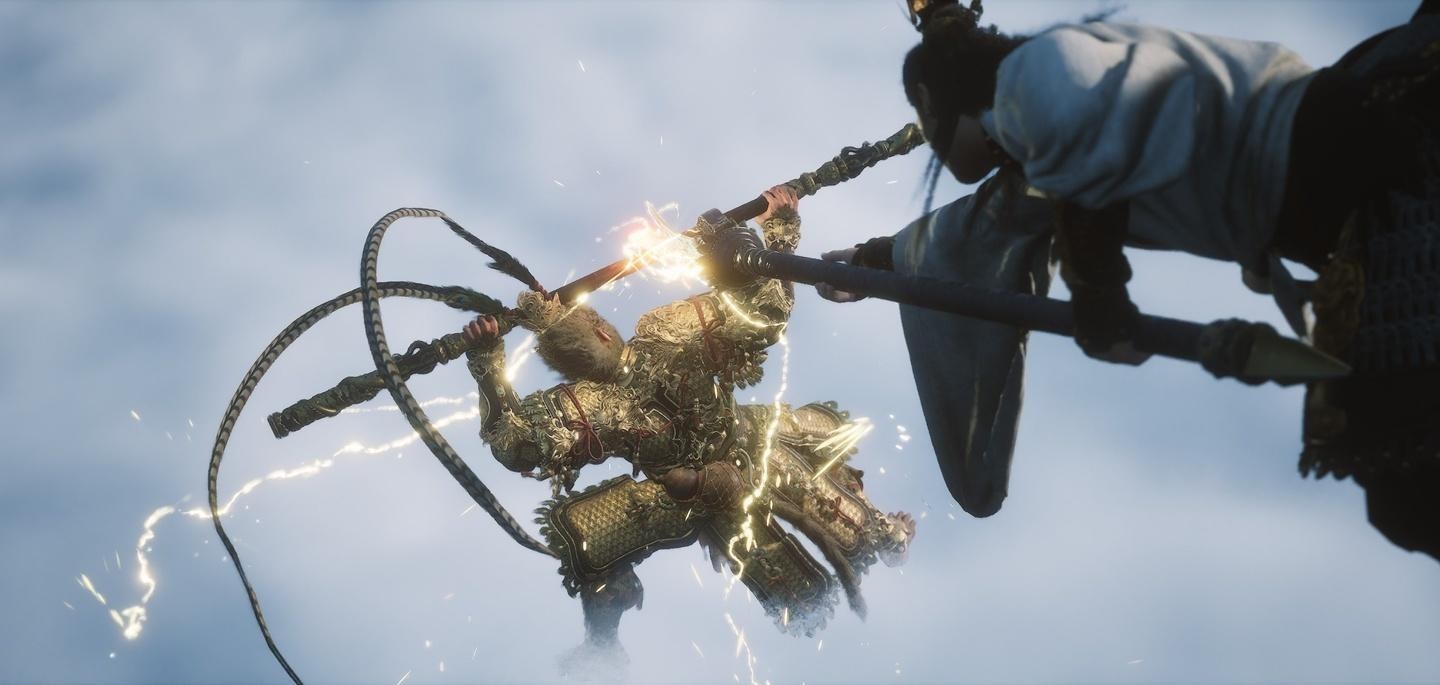
The difference shows most in personality. In the fight with Erlang Shen in the opening, Sun Wukong is still defiant, ready to taunt his opponent with words. The Destined One barely joins conversations, even when others speak straight to him. Aftermath calls him a taciturn protagonist, and its author finds that a little disappointing. To me, the contrast reminds players that even while holding the Great Sage’s staff and familiar abilities, they are not controlling the Sun Wukong of the past but a character with a fate of his own to discover.
Why would Game Science make a protagonist with almost no dialogue?
A protagonist with few lines is nothing new in games. Link in The Legend of Zelda and Gordon Freeman in Half-Life are familiar examples, because developers want players to focus on their own experience. Black Myth: Wukong can be read that way: most of the story comes from supporting characters’ words, end-of-chapter cutscenes and Journal entries, instead of direct explanations from the Destined One.
Take Yellow Wind Ridge and the Webbed Hollow. Players meet many monsters with tangled pasts tied to Journey to the West, while the Destined One mostly listens. You have to connect information from the encounters and notes to understand each character’s motives, and judge what you see for yourself, instead of constantly hearing the protagonist’s comments.
The silence also keeps his own mystery. You know what he is looking for, but you do not hear what he thinks about Sun Wukong or the events along the way. That does not mean you decide his fate, since the story still has a clear direction. The gap only lets you feel the journey for yourself.
What does the silence have to do with Sun Wukong’s legacy?
The Destined One’s journey is not just about collecting the Great Sage’s power. According to Wikipedia, he gathers five relics, then returns to Mount Huaguo with Zhu Bajie, retrieves Wukong’s armor and the Jingu Bang, passes through the stone on the summit into a realm of memories and defeats Sun Wukong’s “broken shell”. As the shell dissipates, Wukong’s circlet appears on its head and drops into shallow water.
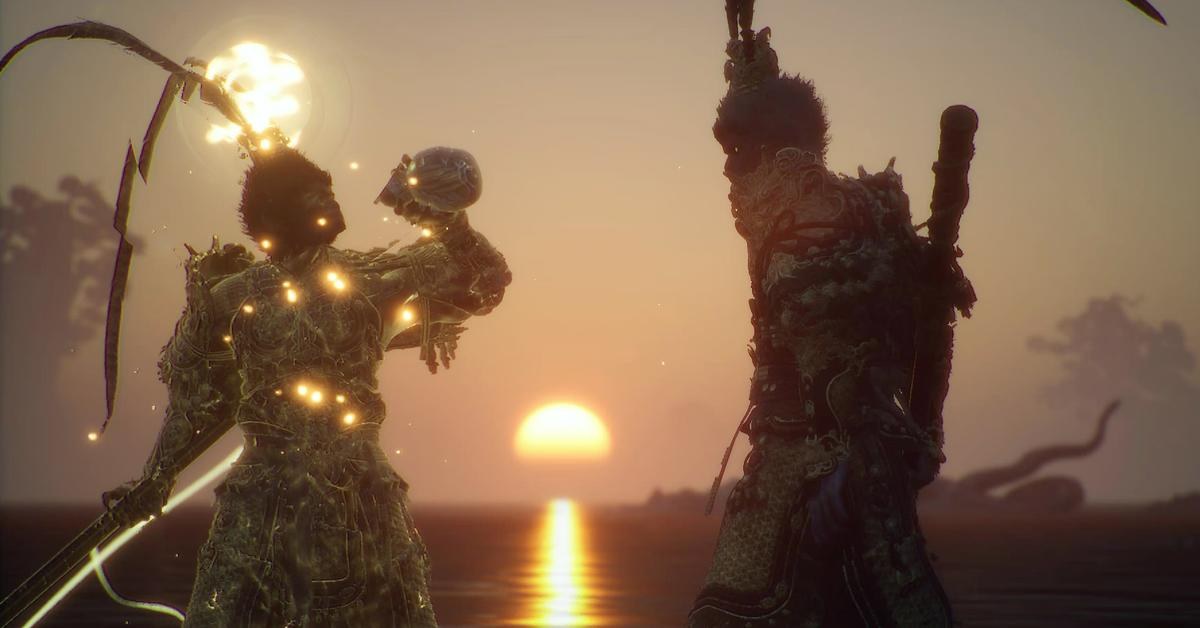
The two endings show this. In one, the Old Monkey places the circlet on the Destined One and binds him, hinting that he may bear the same constraints Sun Wukong once wanted to escape. In the other, usually called the secret ending, he recovers Sun Wukong’s memories from Erlang Shen, does not wear the circlet and stays free. Inheriting the Great Sage, by these two endings, is not just having his strength but carrying on that free will.
From there I read the Destined One’s silence this way: if Sun Wukong once resisted the Celestial Court with both words and deeds, the successor does not voice his wishes. His journey and the ending let players decide whether he will carry on the Great Sage’s spirit or keep bearing the old constraints. This is an interpretation based on the game’s content, not an official explanation from Game Science.
The other side: is silence really a good choice?
While it keeps the mystery, the Destined One’s near-silence also leaves limits. In many scenes Zhu Bajie keeps chatting, showing emotions and recalling the past, while the Destined One listens. You understand the supporting characters’ thoughts better than those of the character you control, especially when the story touches on freedom or fate.
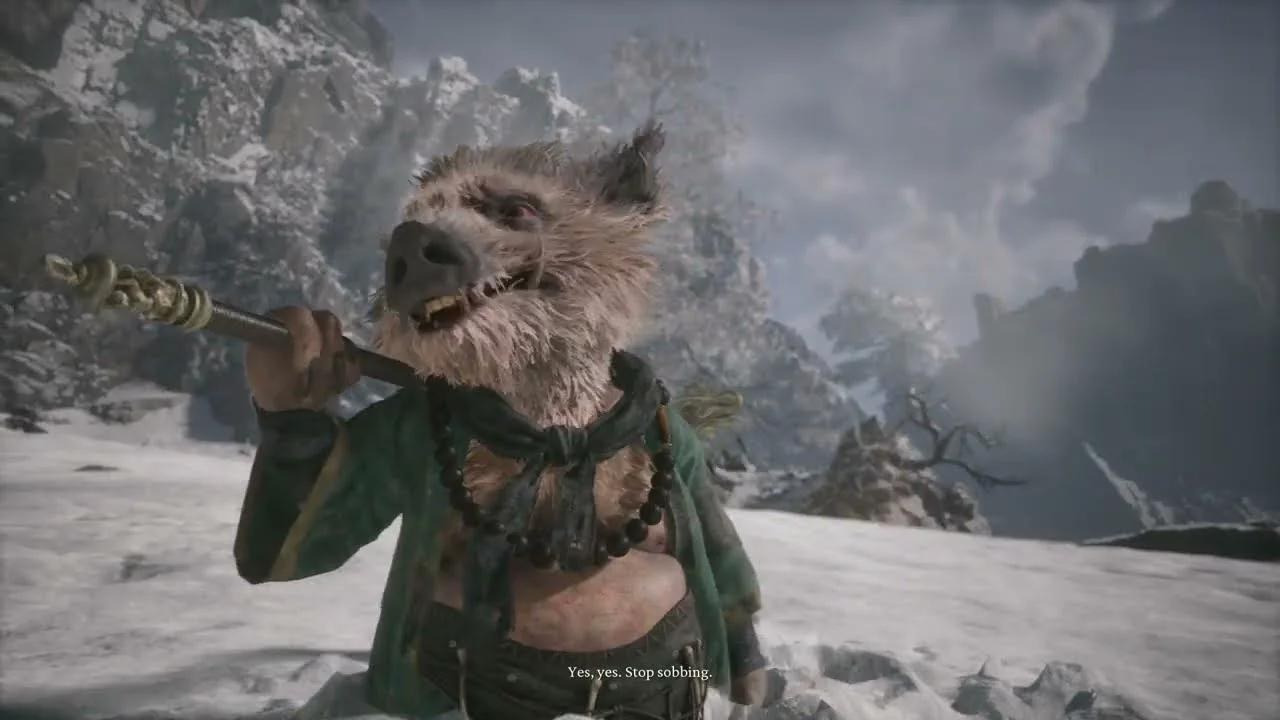
I see this as a notable trade-off. The silence sets the Destined One apart from Sun Wukong and lets players explore the story, but his personality also stands out less than companions like Zhu Bajie. Still, the protagonist has a clear role, since his story lies in the fights, the search for the relics and the result of inheriting the Great Sage. Sun Wukong shows his defiance through taunts, while the Destined One lets his journey and ending show whether he can carry that will on.
The cover image and the images in the article are screenshots from Black Myth: Wukong, © Game Science. References: Wikipedia: Black Myth: Wukong (the plot, the relics, the final chapter, the two endings, the Old Monkey’s words) · Aftermath: Black Myth: Wukong’s Ambition Is Worth Taking Seriously, Chris Person (a taciturn protagonist, different from Sun Wukong) · Sixth Tone: The Many Faces of Sun Wukong, Kong Degang (the Destined One and his predecessor, six relics). The in-game scenes are based on playing the game. I have not found an official explanation from Game Science for the protagonist’s silence. Checked on November 26, 2026.