In-depth · Profiles · No spoilers
TK Nguyen wants GAM to be known beyond its League of Legends matches. Since becoming CEO following the club’s acquisition in 2021, he has pursued a combination of competition, content and community. The organisation’s expansion in 2026 illustrates that ambition, while its failure to qualify for Worlds shows why a growing brand must still prove itself in competition.
Entering esports through an established team
Before becoming associated with GAM’s black and yellow, Nguyen worked in entertainment and hospitality. He moved to Vietnam in 2014 and subsequently helped build Skylight in Nha Trang. The pandemic disrupted that business environment, and esports became a new direction. NRG Asia acquired GAM in 2021, with Nguyen becoming CEO.
GAM already had a history of its own. Its appearances at MSI and Worlds in 2017 meant the investors were taking over a recognised name with supporters and international memories. In comments published by GAM in 2021, Nguyen explained that acquiring the club meant they would not have to start from nothing. They were developing an existing sporting identity rather than assembling a new team and waiting for results to attract an audience.
That starting point brought expectations as well as advantages. Supporters who knew GAM through international competition wanted to see how far the new leadership could take it. A compelling brand story could attract attention, but match viewers would continue to expect wins. Nguyen entered esports with both responsibilities.
Investing in life outside match day
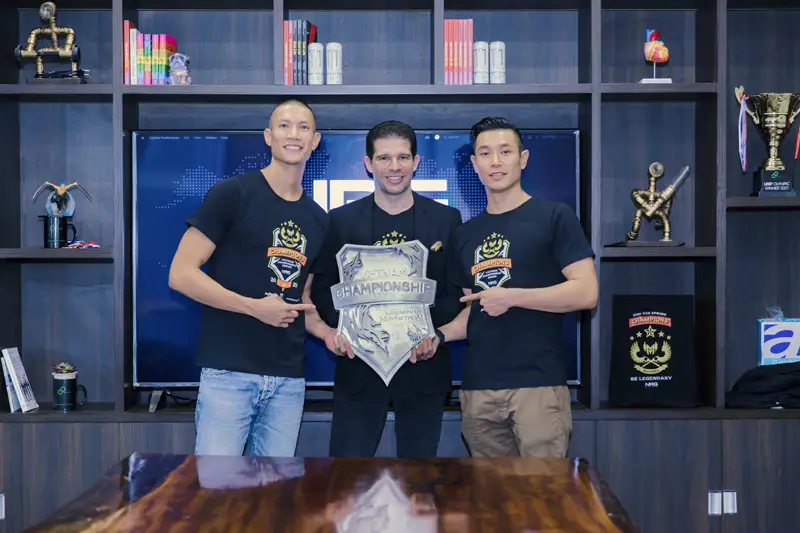
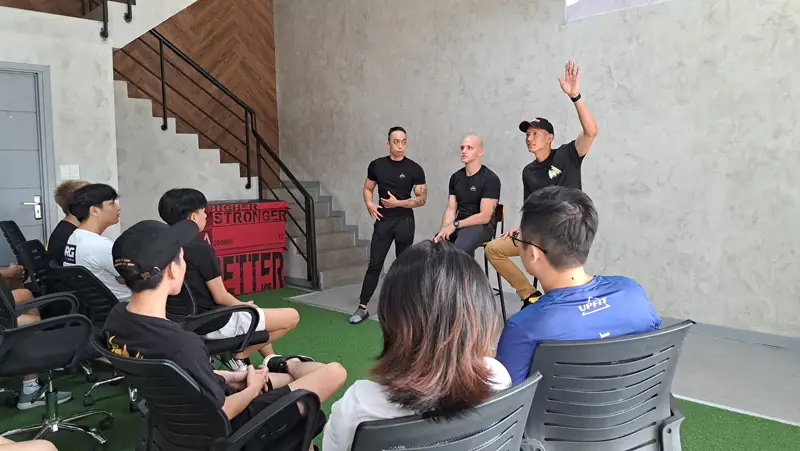
GAM’s descriptions of its early operations provide concrete examples of the approach. Its gaming house included living spaces, practice facilities and a studio for content production. The club also organised fitness assessments, exercise sessions and a reading group for players. These are tangible activities rather than a general promise to become more professional.
Their value concerns everyday working conditions. Players practise their game, but they also live with teammates, maintain their health and become accustomed to public attention. A dedicated production space gives the organisation another way to tell stories between matches, instead of appearing only when a tournament schedule brings it back on screen.
Facilities nevertheless do not resolve every competitive problem. A gaming house and support programmes create conditions in which a team can work. Results still depend on players, coaching, opponents and decisions inside the match. Keeping those responsibilities separate avoids turning an investment in infrastructure into a promise of trophies.
GAMFAM keeps the club connected to its audience
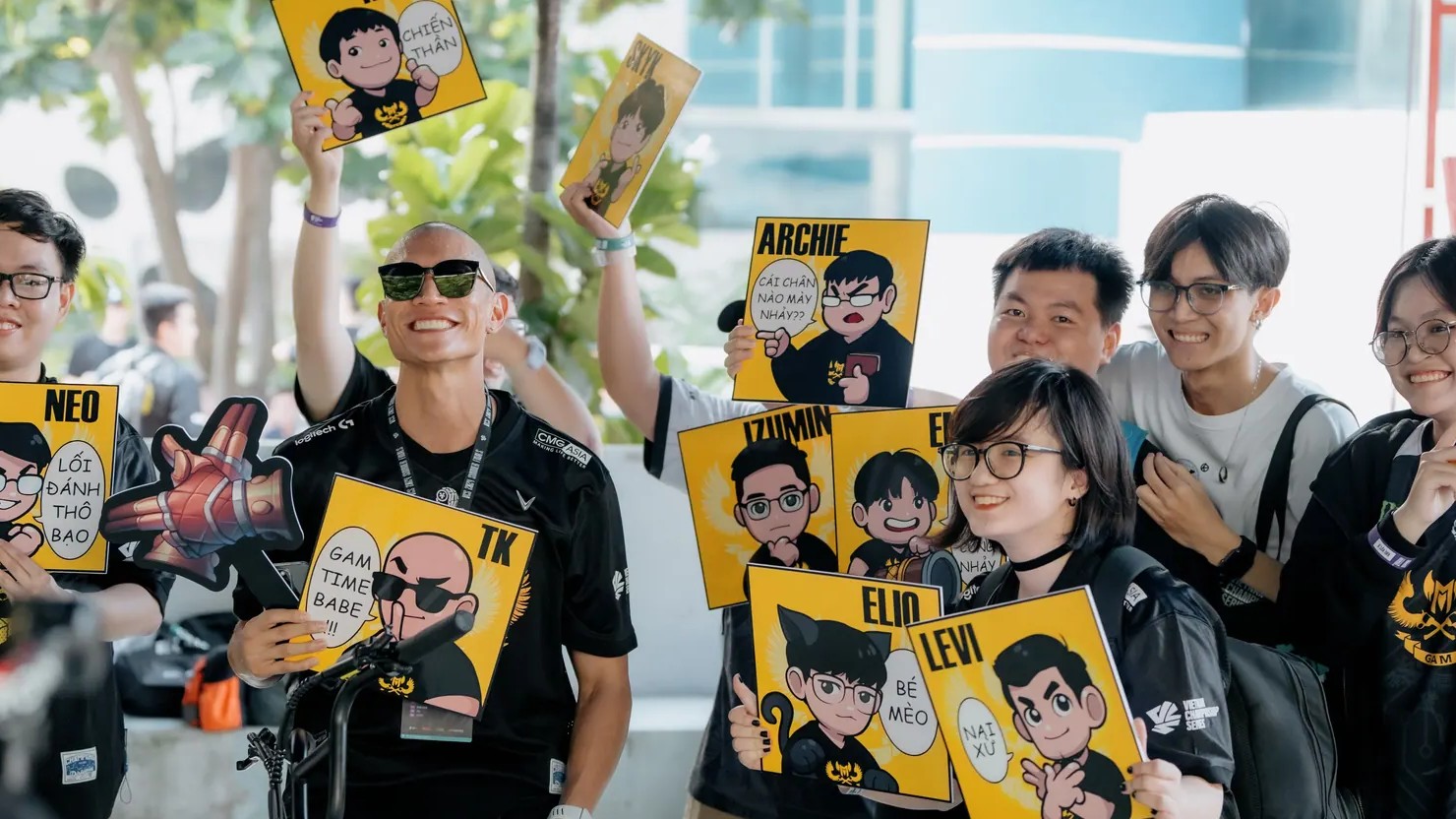
Nguyen’s entertainment background is relevant to how GAM meets supporters outside tournaments. The club has organised GAMFAM gatherings and produced behind-the-scenes material featuring its members. These activities give viewers reasons to follow players after the broadcast ends and before the next match begins.
In GAM’s current description of its structure, competitive teams, media content and fan products sit together within GAM Entertainment. Competition remains central, but the organisation wants to maintain a presence through more than results. Someone interested in a player can also follow how that person trains, talks and spends time with teammates.
OtaHub sees a coherent brand-building idea here. A community can give an organisation a story that lasts longer than one season. Audience interest and business performance are nevertheless different questions. Holding events and publishing content does not, by itself, establish profitability or show that every expansion can pay for itself.
Missing Worlds remains a competitive problem
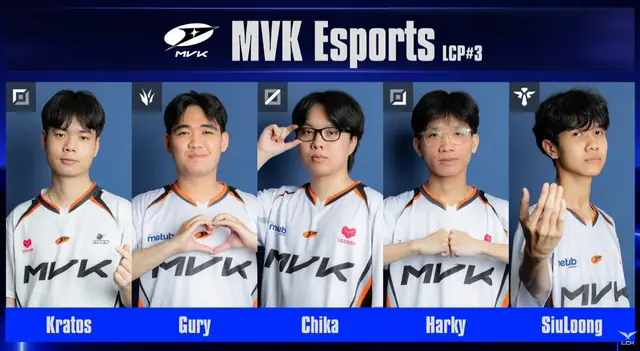
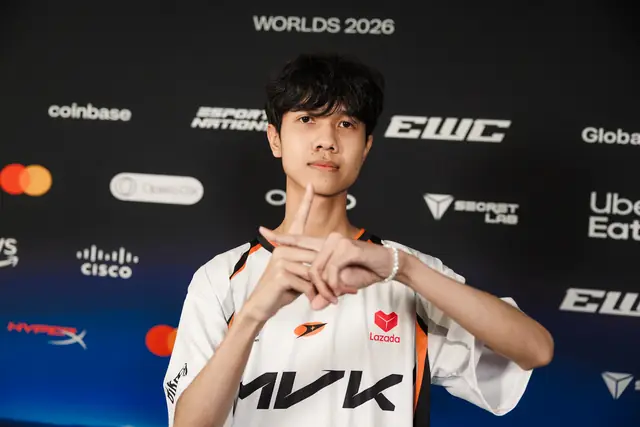
GAM’s League of Legends team did not qualify for Worlds in 2026. In the LCP Split 3 playoffs, it lost 1-3 to Team Secret Whales and then 2-3 to MVK Esports. Those results need to remain central to any discussion of the gap between the organisation’s ambition and its competitive achievements.
Riot determines the competition’s structure and qualification system, but the teams compete under that framework. Publisher control does not automatically make GAM’s elimination the consequence of a decision aimed against the club. A deeper explanation of the competitive shortcomings would require examining the matches rather than using investment or popularity to account for the score.
This does not make the work of building the organisation worthless. GAM achieved memorable milestones after 2021, including SEA Games 31 gold and a win against TOP Esports at Worlds 2022. Those earlier results cannot replace improvement in the current season, however. For a club planning to last, supporting its community and strengthening its competitive teams have to proceed together.
More teams bring more operational responsibilities
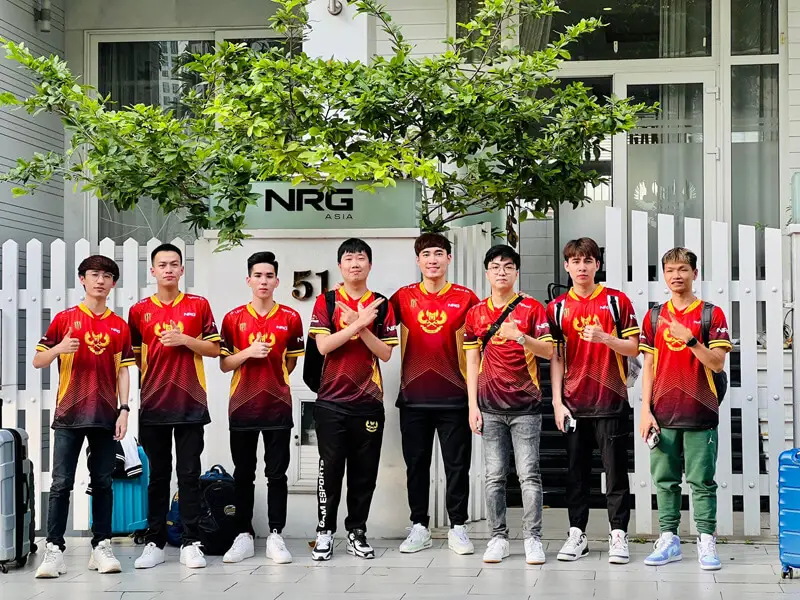
GAM’s development extends beyond League of Legends. Its official team presentation also includes Arena of Valor and the GAM x Team Expendables partnership in PUBG. An organisation’s own roster and a partner team do not necessarily share the same management arrangements or the same level of control from GAM’s leadership.
In October 2026, GAM announced its first women’s Arena of Valor team and said it had been selected as a partner team for the 2027 VALORANT Champions Tour. Expansion was therefore continuing in the same year that its League of Legends team missed Worlds. Describing 2026 solely as a sequence of setbacks leaves out that part of the picture.
Each additional team also brings staffing, scheduling and partnership responsibilities. A shared brand may introduce a new roster to an existing audience, but League of Legends supporters will not necessarily become Arena of Valor or VALORANT viewers. The organisation still needs to give each game’s community a reason to care beyond the logo on the shirt.
Another view: supporters can still expect wins
Viewing GAM as an entertainment organisation helps explain Nguyen’s choices. It should not be used to dismiss disappointment among supporters. For someone who spends time watching the team compete, qualification for an international tournament or victory in an important series can matter more directly than a brand-expansion plan.
A fair assessment treats these activities on their own terms. Competitive performance calls for scrutiny of results and play. Partnerships require attention to each party’s responsibilities. Launching another team is a development decision, not an immediate success or failure simply because it happens alongside a difficult season. Separating those questions is fairer to both management and the audience.
Conclusion
Nguyen’s distinctive ambition is to develop GAM into an organisation where teams, content and community work together. He took over an established competitive name, brought ideas from entertainment and continued expanding into other arenas.
Its 2026 season shows both sides of that ambition. GAM has new development plans, while its League of Legends team must confront missing Worlds. For supporters, the meaningful next step is turning the organisation’s resources into better competitive conditions and more consistent results, so that the story outside matches continues to be supported by what the players achieve inside them.
Sources: GAM — TK Nguyễn 2021 · GAM Entertainment · The GAM Story · TK Nguyễn — GAM · Teams — GAM · GAM — VCT 2027 · LCP Split 3 — LoL Esports · LCP Split 3 — Games of Legends. Image credit: GAM Esports. Checked October 31, 2026.