In-depth · Characters · Full story spoilers
In Onimusha: Way of the Sword, Yoshitsune pursues power rather than accept the loss of his reputation as a hero.
Spoiler warning: the following discusses the Man in White's identity, character relationships and the game's ending.
Minamoto no Yoshitsune is often remembered through a painful contradiction. He helped secure the Minamoto clan's victory, yet ultimately had to flee his own brother. Onimusha retains that famous name while telling a different story, one in which past victories no longer settle the question of who deserves to be called a hero.
The interesting change is therefore more than making Yoshitsune an enemy of Miyamoto Musashi. The game supports a harsher reading of reputation: a celebrated victor can come to regard glory as something that must be preserved at any cost. Once other people become instruments of that ambition, military ability stops being a sufficient reason for sympathy.
A victorious commander without a secure place
Yoshitsune lived in the twelfth century and was Minamoto no Yoritomo's half-brother. He participated in campaigns against the Taira, including Ichi-no-Tani, Yashima and Dan-no-ura. After victory, however, the brothers' relationship collapsed. Yoshitsune was denied entry to Kamakura, and his attempt at reconciliation failed.
He later took refuge in Ōshū under Fujiwara no Hidehira's protection. After Hidehira died, his son Yasuhira attacked Yoshitsune, who died at Koromogawa in 1189. These broad events are outlined in Ferris University's guide to historical figures of the Kamakura period.
That background is enough to explain the sympathy the story can generate. The person who wins battles is not necessarily the person who determines the order that follows a war. The distance between those positions is tragic. It does not, however, make every decision by the commander right or every later story about him a historical record.
In Ataka, the hero depends on loyalty
The Noh play Ataka offers a concrete example of that image developing onstage. Yoshitsune and his followers travel in disguise to cross a checkpoint. When suspicion falls on him, Benkei strikes his own master to maintain the appearance that Yoshitsune is a porter. An apparently disrespectful act helps the party escape.
The scene matters because a former battlefield commander must accept humiliation to survive. Benkei protects him through a difficult decision rather than a military victory. Their relationship gives the audience a reason to care about Yoshitsune beyond the list of battles he won.
This is a theatrical telling, not proof that every detail of the checkpoint incident happened. That distinction becomes important when turning to Onimusha. The game approaches a figure whose life has already been retold across generations with different concerns, rather than simply replacing the role in an entirely neutral biography.
Oni power changes the meaning of victory
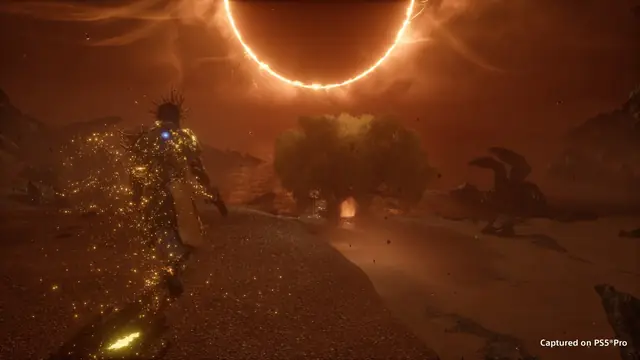
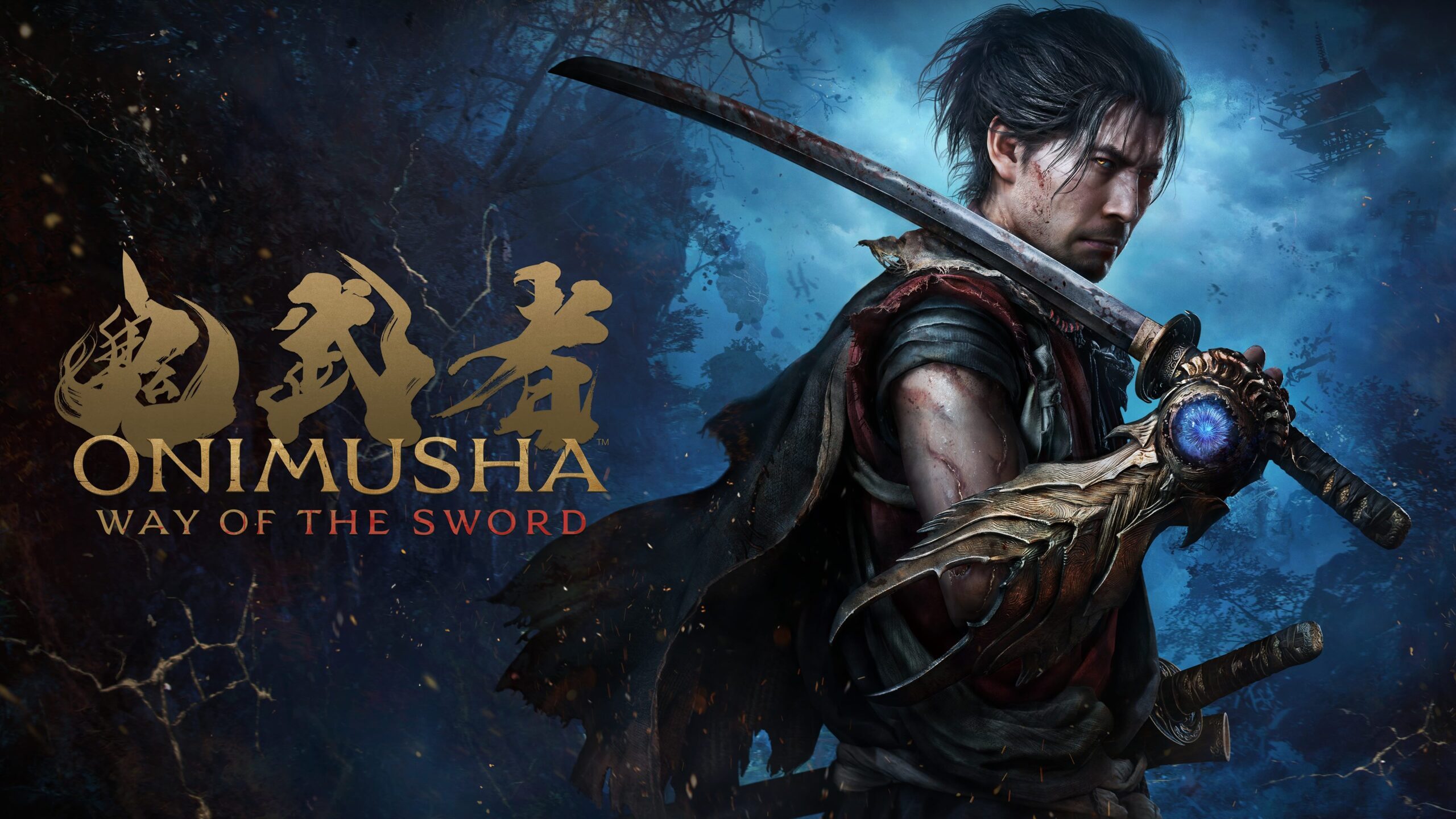
In Onimusha's fiction, Yoshitsune is the Man in White. He once received power from the Oni before being imprisoned in hell. Shizuka's account of his past supplies the crucial complication: ending a war did not satisfy him, and he wanted to create another.
That changes how his earlier achievements can be understood. Ending a conflict ordinarily gives a commander's ability value for those left alive. If victory merely produces a desire for further war, protecting others has been displaced by the need to keep winning.
This is one way to read the game's departure from the wronged-hero image. An unhappy fate no longer guarantees Yoshitsune moral authority. The relevant question becomes what he does with the power he possesses, rather than only who treated him unjustly.
The reading belongs to the game's fiction. Supernatural ambition is not an explanation for the historical commander's life. History and fiction can illuminate a shared concern with power without supplying missing factual evidence for each other.
A gift turns its recipient into an instrument
Yoshitsune does more than wait at the end of Musashi's journey. Shizuka explains that he took two Oni Gauntlets after conquering hell, including the one Musashi wears. The final confrontation exposes his plan to benefit from the souls being collected. The power enabling the hero's journey also serves the enemy's ambition.
That is more specific than simply observing that a historical hero has become a villain. Yoshitsune influences the conditions that make the adventure possible, then seeks to profit from it. Receiving a weapon appears to expand the recipient's freedom while simultaneously involving him in an undisclosed plan.
Placed alongside Ataka, the relationship between a leader and those around him changes character. Onstage, Benkei protects Yoshitsune by accepting a painful choice. In the game, Yoshitsune places others on a path that serves himself. This is a comparison between two tellings, not a claim that Capcom directly adapted the Noh play.
Musashi offers a different relationship with power
Musashi makes the contrast clearer. In its official PlayStation.Blog introduction, Capcom describes him initially wanting to remove the gauntlet and prove himself through his own ability. His perspective later changes as he becomes more open to his path and place in the world.
The distinction is consequently not just that one man accepts power while another refuses it. Both are connected to an Oni Gauntlet. What matters is whether the people caught in that conflict deserve consideration of their own or merely offer a means to the wearer's goal.
Musashi does not need to embody every virtue for the comparison to work. His willingness to revise his understanding makes Yoshitsune's fixation more apparent. One can learn a different meaning for the journey, while the other wants to use someone else's journey to recover his position.
Another view: does villainy simplify Yoshitsune?
This interpretation has a cost. Making Yoshitsune power-hungry may reduce the ambiguity that gives his established image much of its interest. Tensions between achievement, family authority and loyalty risk becoming a more familiar explanation in which extraordinary power corrupts its recipient.
Turning a hero into a villain does not automatically create depth. What makes Onimusha's version worth examining is the sequence of choices, from refusing to let war end to exploiting the gauntlet. Without those details, the interpretation becomes a role reversal that many other fantasy stories could also provide.
Conclusion
Onimusha's Yoshitsune is compelling to examine because the game does not allow a heroic reputation to stand in for scrutiny of his actions. Talent and victory can produce glory without granting the right to spend other lives preserving it. Opposite Musashi, he becomes a warning about seeking to recover a position so intensely that limits on power cease to matter.
Sources: Ferris University — The Kamakura Shōgun, the-Noh — Ataka, Onimusha.tools — Shizuka, GameTrek — Minamoto no Yoshitsune, Capcom / PlayStation.Blog.